

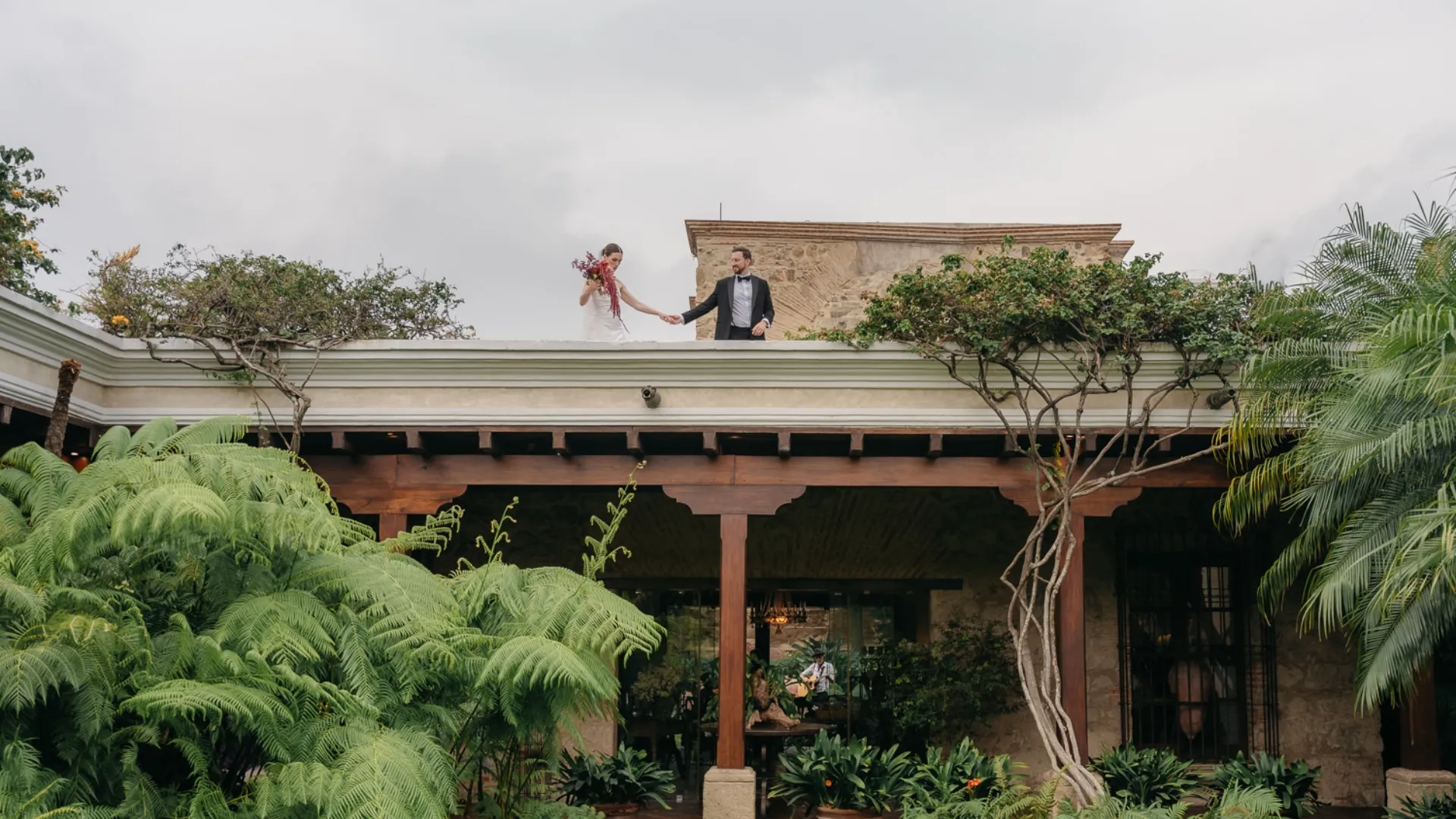
Photography by Daniel Lopez Perez


For a photographer, a good wedding photography timeline does two things:
- It protects the moments that matter
- It keeps you from spending the whole day playing catch-up.
In this post, I’m sharing the timeline I created after working full-time as a wedding photographer for almost fifteen years.
→ Jump to: Timeline Templates (Copy/Paste)
→ Jump to: Timeline Rules + Buffers
This guide includes copy/paste wedding photography timeline templates (with and without a first look), tips to keep things moving, and the rules I use to stay realistic about timing when the day gets messy.
Because the day will probably get messy.
(If you’re a couple, I hope you’ll find this timeline info helpful too!)
New to wedding photography? Start with our guide on how to become a wedding photographer, then come back here when you’re ready to learn how a wedding day unfolds.
Related Wedding Photography Planning Guides
A timeline is one of the most valuable planning tools you’ll use, but it works best alongside a few other documents. Together, these tools help you gather information, prepare for the wedding day, and stay organized from your first consultation through final delivery.
| Planning tool | Use this for |
|---|---|
| This Timeline Guide | Planning how the day will flow and where photo time actually exists |
| Wedding Photography Contract | Setting expectations, protecting both parties, and documenting the agreement |
| Wedding Photography Questionnaire | Collecting information, expectations, and logistics before the wedding |
| Wedding Photography Shot List | Prioritizing key moments, family groupings, and must-have photos |
| Wedding Photographer Checklist | Staying organized before, during, and after the wedding |

Wedding Photography Timeline Templates (Copy/Paste)
These templates are built for an 8-hour photography coverage day. Adjust for travel time, your couple’s priorities, and sunset.
If you only follow one rule: hair and makeup should be finishing (not starting) when you arrive.
At a Glance: Pick the Right 8-Hour Template
| Template | Ceremony | First Look? | Photo Coverage | Portraits Before Ceremony | What Gets Tight |
|---|---|---|---|---|---|
| A | 4:00 PM | Yes | 12:00–8:00 | Couple + wedding party + immediate family | More breathing room overall |
| B | 4:00 PM | No | 12:00–8:00 | Individuals + wedding party + split family (couple together happens after) | Cocktail hour (shorter) + post-ceremony portrait rush |
| C | 5:00 PM | Yes | 1:00–9:00 | Couple + wedding party + immediate family | Later reception beats |
| D | 3:00 PM | Yes | 11:00–7:00 | Couple + wedding party + immediate family | Earlier dinner/reception pacing |
Four 8-Hour Wedding Photography Timeline Templates
Here are the same four options from the chart above, expanded into a step-by-step timeline you can copy/paste.
Template A: 4:00 PM Ceremony (8 Hours)—With a First Look
- 12:00 Photographer arrives (details + scene setters + finishing touches)
- 12:30 Getting ready portraits (final touches, gifts/letters, clean candids)
- 1:15 First look + couple portraits
- 2:00 Wedding party photos
- 2:30 Immediate family photos (keep it tight)
- 3:15 Couple tucked away / ceremony details / guest arrivals
- 4:00 Ceremony
- 4:30 Just-married reactions + any quick “must-have” group photo
- 4:45 Cocktail hour candids
- 5:45 Guests seated for dinner
- 6:00 Dinner served
- 6:45 Toasts
- 7:15 First dance + parent dances
- 7:45 Open dancing coverage
- 8:00 Photographer ends (or add sunset/night portraits if timeline supports it)
Template B: 4:00 PM Ceremony (8 Hours)—No First Look
- 12:00 Photographer arrives (details + finishing touches)
- 12:30 Getting ready portraits (final touches, gifts/letters, clean candids)
- 1:30 Individual portraits (each partner separately) + wedding party (split if needed)
- 2:30 Immediate family photos (split sides if needed, keep it tight)
- 3:30 Couple tucked away / ceremony details / guest arrivals
- 4:00 Ceremony
- 4:30 Just-married reactions
- 4:40 Family formals (both sides if needed) + any must-have groups
- 5:10 Couple portraits (protect this block)
- 5:30 Cocktail hour candids (shorter coverage is normal on no-first-look timelines)
- 5:55 Guests seated for dinner
- 6:15 Dinner served
- 7:00 Toasts
- 7:20 First dance + parent dances
- 7:45 Open dancing coverage
- 8:00 Photographer ends
Template C: 5:00 PM Ceremony (8 Hours)—With a First Look
- 1:00 Photographer arrives (details + finishing touches)
- 1:30 Getting ready portraits
- 2:15 First look + couple portraits
- 3:00 Wedding party photos
- 3:30 Immediate family photos
- 4:15 Couple tucked away / ceremony details / guest arrivals
- 5:00 Ceremony
- 5:30 Just-married reactions + any quick must-have group photo
- 5:45 Cocktail hour candids
- 6:45 Guests seated for dinner
- 7:00 Dinner served
- 7:45 Toasts
- 8:15 First dance + parent dances
- 8:45 Open dancing coverage
- 9:00 Photographer ends
Template D: 3:00 PM Ceremony (8 Hours)—With a First Look
- 11:00 Photographer arrives (details + finishing touches)
- 11:30 Getting ready portraits
- 12:15 First look + couple portraits
- 1:00 Wedding party photos
- 1:30 Immediate family photos
- 2:15 Couple tucked away / ceremony details / guest arrivals
- 3:00 Ceremony
- 3:30 Just-married reactions + any quick must-have group photo
- 3:45 Cocktail hour candids
- 4:45 Guests seated for dinner
- 5:00 Dinner served
- 5:45 Toasts
- 6:15 First dance + parent dances
- 6:45 Open dancing coverage
- 7:00 Photographer ends
[Just getting started with wedding photography? Check out our guide on how to become a wedding photographer.]

Timeline Rules + Buffers
A wedding timeline doesn’t fall apart because people are “bad at planning.”
It falls apart because there’s no buffer for real life.
These are the rules I use to build timelines that still work when hair/makeup runs late, people wander off, and transitions take longer than expected.
Protect These 3 Timeline Pressure Points
If you protect these, the rest of the day gets easier.
- Ceremony start time. Everything else can flex, but this usually can’t.
- Family formals block. This is where timelines explode if the list is long.
- Toasts + first dances. You want to be ready before they start, not reacting mid-moment.
Note: If family formals are a priority, use a clean list and realistic time budget. Get mine here.
Buffer Defaults That Actually Work
Use these as baseline buffers.
If the day runs smoother than expected, great—you get some breathing room.
- Transitions at one location. Add 5–10 minutes for bathroom breaks, moving people, regrouping.
- Location changes. Add 10–20 minutes, even if the drive is “just 5 minutes”.
- Getting dressed. Reserve 10–15 minutes, and more if buttons/corset/complicated outfits.
- Family formals. Plan 20–30 minutes for a tight list, more if the list is long.
- Portrait buffers. Add 5 minutes at the start of any portrait block to settle nerves and get “safe shots” first.
The “Ready By” Rule (Non-Negotiable)
If you want a timeline that works, hair and makeup should be finishing (not starting) when photography begins.
(Some photographers run tighter mornings. But I prefer conservative timing, because it protects portraits.)
- If you arrive at 12:00, someone should be basically ready by 12:00.
- If hair and makeup runs until 12:30, your portraits and details start late (and you’ll pay for it later).
How To Build A Wedding Photography Timeline Backwards
If you’re creating a timeline from scratch, start with the ceremony time and work backward.
- Lock the ceremony start time.
- Add the ceremony duration + immediate post-ceremony reactions.
- Decide whether you’re doing a first look (this changes everything).
- Block family formals and couple portraits (either pre-ceremony with a first look, or post-ceremony without).
- Add travel + transition buffers between every block.
- Then fill in getting ready coverage based on what time you need portraits to start.
When You’re Behind, Cut This First—In This Order
A timeline-friendly photographer doesn’t panic.
They prioritize.
Here’s what to cut, in order:
- Cut extra detail variations (keep a clean set, then move on)
- Cut extra wedding party combinations (keep the core group shots)
- Trim extended family formals before trimming immediate family
- Shorten open dancing coverage before you sacrifice toasts/dances/reactions

First Look vs. No First Look
A first look isn’t just a “moment” decision.
It’s a timeline structure decision.
The difference is simple: a first look lets you do most portraits before the ceremony, which usually makes the rest of the day feel calmer.
What A First Look Changes In The Timeline
With a first look, you can usually do:
- Couple portraits before the ceremony
- Wedding party photos before the ceremony
- Some or all family photos before the ceremony (depending on who’s present)
That means after the ceremony you have more flexibility for:
- Just-married reactions
- Cocktail hour candids
- A short sunset portrait block (if you want it)
When I Strongly Recommend A First Look
A first look usually makes sense when:
- Photography coverage is short (6–8 hours) and you want the day to feel less rushed
- There are multiple locations (getting ready in one place, ceremony elsewhere, portraits elsewhere)
- Sunset is early (winter weddings) and you want good light for portraits
- The couple cares about cocktail hour time with guests
No First Look Timelines Can Work—But You Have To Protect The Blocks
If the couple doesn’t want a first look, the timeline pressure usually moves here:
- Family formals
- Couple portraits
- Cocktail hour coverage
To make a no-first-look timeline work, I recommend:
- Protect a clear post-ceremony block for family formals and couple portraits
- Keep family formals tight and organized (names + wranglers + a clean order)
- Accept that you may cover less of cocktail hour (and set expectations)
- Build a “hideaway” plan so the couple isn’t seen before the ceremony without stress
A Simple Decision Checklist
If the couple asks, “What’s better?” this is the practical version:
- If you want more breathing room and more time with guests, choose a first look.
- If the ceremony reveal is the top priority, skip the first look, but protect portraits and formals after the ceremony.
- If you’re trying to fit everything into short coverage, a first look usually makes the timeline work.
No matter what they choose, the most important thing is the same: build buffers and protect the pressure points so you’re not stealing time from real moments.

Where Wedding Photography Timelines Break Down
Most timeline problems aren’t dramatic. They’re small delays that stack up until you lose portraits, miss reactions, or rush the couple through moments that should feel calm. Here are the most common breaking points I see, plus the simple fixes that can help prevent them.Problem 1: Hair and Makeup Runs Into Portrait Time
Prevention:- Set a “ready by” time that’s earlier than the first photo block.
- Build a 15–30 minute buffer between “finishing touches” and “we need to be out the door.”
- Start with what you can shoot immediately: details box, dress/suit, window light portraits of whoever is ready.
- Trim extra getting-ready shots before you trim couple portraits or family formals.
Problem 2: Travel and Transitions Take Longer Than Anyone Thinks
Prevention:- Add 10–20 minutes for every location change, even if the drive is short.
- Account for parking, walking, wrangling people, and bathroom stops.
- When you arrive late, simplify the next block instead of trying to “do everything fast.”
- Get the safe shots first, then only add extras if you earn time back.
Problem 3: Family Formals Turn Into “Everyone With Everyone”
Prevention:- Get groupings in advance and keep the list realistic.
- Assign a wrangler per side who knows names and relationships.
- Shoot in a drop-out order so people don’t re-form groups repeatedly.
- If the list expands on the spot, ask the couple to prioritize the top groups first.
- Keep moving. Don’t stall the entire line for one missing person.
Problem 4: Cocktail Hour Gets Overstuffed
This is the classic no-first-look bottleneck: formals + couple portraits + cocktail hour coverage all fighting for the same 45–60 minutes. Prevention:- Choose what cocktail hour is for (portraits/formals or candids) and set expectations.
- If portraits matter, protect that block and accept lighter cocktail hour coverage.
- Get one quick set of cocktail candids, then commit to portraits if that’s the priority.
- Don’t bounce between tasks every 5 minutes. Switching costs time.
Problem 5: Reception Events Start Before You’re Ready
Prevention:- Do micro check-ins with the planner/DJ: “Are toasts or dances starting soon?”
- Be in position 5 minutes early for entrances, toasts, and first dances.
- If something starts early, prioritize reactions and the core moment over fancy angles.
- Communicate quickly with the DJ/planner: “Give me 60 seconds to get set.”
The One Rule That Prevents Most Problems
When the timeline drifts, prioritize the story beats that can’t be recreated:- Getting ready finishing touches + one real interaction (a parent moment, letter reaction, or quiet pause)
- The processional (key people + the couple’s entrance)
- Vows (and at least one reaction)
- Ring exchange
- The first kiss
- The recessional
- Immediate post-ceremony reactions (hugging, laughing, tears)
- Family formals with VIPs (parents + immediate family first; keep it tight)
- Toasts (especially the couple’s reactions)
- First dance + parent dances (if they’re happening)
Wedding Photography Timeline FAQ
Here are some of the questions I see come up a lot around wedding timelines, including a lot of questions I had when I first got started shooting weddings.How Early Should a Wedding Photographer Arrive?
For most full-day coverage, I like arriving when hair and makeup are finishing and details can be photographed immediately. If you arrive and nobody is close to ready, the timeline will feel rushed later.How Much Time Do You Need For Couple Portraits?
A practical default is 20–40 minutes total, depending on locations and how photo-forward the couple is. If you’re moving locations, add buffer. If time is tight, get a clean “safe set” first, then add extras only if you earn time back.How Long Should Family Formals Take?
A tight, well-run list often takes 20–30 minutes. Long lists can easily take 45–60+ minutes. If family formals matter to the couple, use names, assign wranglers, and build a realistic grouping list.When Should You Do Sunset / Golden Hour Portraits?
Block 10–20 minutes around golden hour if portraits are a priority. The most common mistake is scheduling sunset portraits during dinner or toasts without a plan. If you want them, decide in advance what you’ll pause (or what you’ll shorten) to make space.Where Should Toasts And First Dances Go In The Timeline?
What matters most is that you know when they’re happening and you’re set before they start. Whether they’re after dinner or between courses varies, but the rule is the same: be ready 5 minutes early and prioritize reactions over extra angles.What If The Timeline Is Running Late?
Don’t try to “do everything faster.” Prioritize.- Keep: ceremony start, core portraits, key reception events
- Cut first: extra detail variations, extra wedding party combos, extended family formals, long open dancing coverage
Do Couples Need a Planner For A Good Timeline?
No. But someone needs to own the timeline on the day. If there’s no planner/coordinator, get the DJ/band leader and a key family contact aligned on event timing so moments don’t start while you’re unprepared.Should You Build A Different Timeline For A First Look?
Yes. A first look usually shifts portraits earlier and reduces pressure on cocktail hour. If there’s no first look, protect the post-ceremony portraits/formals block and set expectations about lighter cocktail hour coverage.Is a Wedding Photography Timeline A Guarantee?
No. It’s a plan. Weather, delays, and real life happen. The goal is to build buffers and priorities so the plan still works when the day gets messy.
Need help planning your wedding shoot?
Check out our Wedding Photography Checklist guide, with checklists for packing your gear, things to do ahead of the wedding, key shots to take, and more.

 Español