Wedding Photography

Wedding Photography Gear: Una Guía Completa [Nuevo para 2026]

Daniel Lopez Perez
wedding-photography-gear-list
My essential wedding photography gear.

Looking for a complete list of wedding photography equipment? You came to the right place.

I’ve been shooting weddings for over a decade.

And as you can imagine, the gear I used has changed since I first started.

Part of that change is due to the fact that I can afford better gear now than I could when I was first getting started. But part of that change comes from me simply knowing what I need—and what I don’t.

Over my years of shooting weddings, I’ve learned the hard way how crucial the right gear is for capturing those once-in-a-lifetime moments.

From cameras to backup batteries, I’ve fine-tuned my kit to handle every situation. This guide will help you build your own perfect wedding photography setup.

I’ve written this guide to be as straightforward as possible, so you can find the information you need and get back to shooting weddings—or whatever else you have planned for the day.

A Quick Note about How to Use This Guide

The first three sections of this guide are gear lists—my gear list, a minimalist gear list, and a beginner gear list.

Here’s how to think about each list:

  • My Gear. This is a gear list for professionals with an established clientele.
  • Minimalist Gear. This is a versatile gear list that can match any skill level/ability, with a focus on the minimal amount of stuff you need to shoot a wedding, but not necessarily on spending the least amount possible.
  • Beginner Gear. This is a gear list for those who are just getting started and are budget conscious, and looking for ways to save as well as trying to budget for all their gear (this section includes gear pricing and tips for how to save when getting your gear).

Now let’s dive in.

What’s In My Bag? All My Wedding Photography Gear

Below is all the gear I currently use for weddings. Two things to note about my list of gear:
  • I’ve been shooting weddings since 2013, and I’ve slowly worked my way into being a higher-end wedding photographer.
  • I shoot weddings with my wife, so we always plan our gear around having two people there.
Now here’s the list of gear I bring to every wedding:

Camera Bodies

We bring four camera bodies for two photographers (me and my wife), so two per photographer.
  • 2 x Nikon D750 DSLR
  • 2 x Nikon Z6 II Mirrorless Camera
nikon-Z6II-wedding-photography-gear
The Nikon Z6 II

Lenses

We bring seven different lenses.
  • NIKKOR Z 24-70mm f/2.8 S
  • Nikon NIKKOR Z 24mm f/1.8 S
  • Nikon NIKKOR Z 35mm f/1.8 S
  • Nikon AF-S NIKKOR 14-24mm f/2.8G ED
  • Nikon AF-S NIKKOR 24mm f/1.8G ED
  • Nikon AF-S NIKKOR 58mm f/1.4G
  • Nikon AF-S NIKKOR 85mm f/1.8G

Camera Accessories

We bring a lot of accessories! Here’s everything we pack:
  • Memory cards inside cameras + extra memory cards
  • Extra batteries for cameras
  • Battery charger
  • Money maker double straps
  • 2 Profoto A10 flashes
  • Extra batteries for flashes
  • Magmod flash diffusers
  • Yongnuo wireless flash triggers
  • Tripod (we usually leave it in the car, but it’s nice to have just in case you need it)

Drone and Drone Accessories

For me, a drone has become a must in my wedding shoots. You can learn more about using drones for weddings in this in-depth guide. Here is the drone and related accessories we typically bring:
  • My drone packed carefully in my gear bag (I have a DJI Air 2S—DJI makes the majority of consumer drones in the world and has a huge range of options)
  • Additional drone batteries (you really don’t want to run out of battery and miss the chance to get a great aerial shot)

Note: If you’re flying in the U.S. you’ll want to bring your drone license proving you are Part 107-certified. Learn more about that process here.

Other Gear

Of all the gear lists here, this list could be the one that shows the results of what we’ve learned from doing wedding photography for over 10 years the most. Almost everything on this ‘other’ list came from learning a lesson. From forgetting to hydrate or eat and feeling faint, or having an amazing DJ ask for our card only to realize we left them all at home (doh!). This list is one we’ve made after running into situations like that, and realizing we just needed to write all this stuff down so we wouldn’t forget. Here’s the list:
  • Earplugs—your ears will thank you over the years, going to a party with loud music every weekend can take its toll
  • Microfiber cloth—to clean lenses
  • Business cards
  • Water & snacks
  • Money and/or credit card
  • ID or passport (if going to a destination wedding)
  • Car keys
  • House keys

That’s all the gear we bring to the wedding. But we also have more gear at home—backup cameras, to be specific. Our backup cameras stay home, but they’re an important part of our gear list because if one of our main cameras has an issue we know we have others we can turn to in a pinch.

Backup Cameras

We have six backup cameras:
  • 1 x Nikon D850 DSLR (just a note: we feel like the D850 is too heavy and we don’t like that it doesn’t have the focus assist light; we also don’t need the extra megapixels for weddings)
  • 2 x Nikon D750 DSLR
  • 1 x Nikon Z6 Mirrorless Camera
  • 1 x Fujifilm X100VI
  • 1 x Fujifilm X-T20

Minimalist Wedding Photography Gear

If you’re just starting out or prefer to travel light, a minimalist gear setup can be incredibly effective for wedding photography.

Over the years, I’ve learned that it’s not about having every piece of equipment but knowing how to make the most of what you have. Here’s what I’d recommend for a streamlined yet versatile wedding photography kit.

1. One Reliable Camera Body

Choose a high-quality, full-frame DSLR or mirrorless camera that you’re comfortable with and trust to deliver in any situation.

My go-to is the Nikon Z6 II, but any camera with excellent low-light performance and fast autofocus will do the job. Remember, it’s more about mastering the camera you have than owning the latest model.

Recommendations:

DSLRs

  • Nikon D750 DSLR 
  • Canon 5D Mark IV

Mirrorless

  • Nikon Z6 III, Nikon Z8
  • Canon EOS R6 Mark II, R3, R5, or R8
  • Sony A7 IV

All of these mirrorless cameras are solid options with impressive low-light capabilities and fast performance.

Want more help choosing a camera? Check out our guide, The Best Cameras for Wedding Photography [New for 2024].

2. A Versatile Zoom Lens

For a minimalist approach, a versatile zoom lens like a 24-70mm f/2.8 can cover almost every scenario, from wide shots of the venue to intimate close-ups of the couple.

It’s an all-in-one solution that lets you stay agile without constantly switching lenses.

Recommendations:

DSLRs

  • Nikon 24-70mm f/2.8G ED – one of the best midrange zoom lenses that Nikon ever made
  • Canon EF 24-70mm f/2.8L II USM – A go-to lens for versatility and sharpness
  • Sony FE 24-70mm f/2.8 GM – Perfect for Sony users looking for a high-quality, versatile lens

Mirrorless

  • NIKKOR Z 24-70mm f/2.8 S
  • Canon RF28-70mm F2 L USM—One of the first midrange zooms with F2 aperture ~ impressive
  • Canon RF24-70mm F2.8 L
  • Sony FE 24-70mm f/2.8 GM

3. A Prime Lens for Low-Light and Portraits

Pair your zoom lens with a fast prime lens, such as a 35, 50mm f/1.4, or an 85mm f/1.4. This will be your best friend in low-light conditions, such as dimly lit receptions, and for creating beautiful, creamy bokeh in portraits.

Recommendations:

  • Nikon AF-S NIKKOR 58mm f/1.4G—Great for low-light si

Wedding Photography Equipment for Beginners

This section covers the essential gear you need to start shooting weddings.

While there is some overlap with the minimalist kit we outlined above, this list focuses more on budget-friendly options that still provide quality results. As you gain experience and start booking more clients, you can upgrade your equipment and expand your kit with additional lenses, backup gear, and more advanced tools.

This section also provides price ranges for what you can expect to spend, along with tips to help you save money.

How Much Will It Cost to Get Started?

Our estimated cost for the basic gear you need to start doing wedding photography is $1,500-$1,900.

1. Camera Body

Recommendation: Look for an entry-level mirrorless camera with good image quality and low-light performance. If you are looking at the economics, mirrorless cameras and lenses will age better than DSLRs. Models like the Canon EOS R8 or the Nikon Z5 are excellent full-frame choices for beginners.

Cost: $900-$1,300

Tip: You can save money by purchasing a used or refurbished model; just make sure it comes from a reputable source.

2. Versatile Lens

Recommendation: Start with an 18-55mm kit lens or an affordable prime lens like the Canon RF 50mm f/1.8 STM or the Nikon Z 40mm f/2. These lenses are versatile enough for portraits and candid shots.

Cost: $200

Tip: Prime lenses are generally more affordable and offer better image quality in low light compared to zoom lenses.

3. External Flash

Recommendation: An external flash is a must for low-light situations. The Godox TT600 or Yongnuo YN560 IV are budget-friendly options that provide reliable performance.

Cost: $70-$100

Tip: Make sure to practice using your flash before the wedding day. Understanding how to bounce light will make a huge difference in your photos.

4. Memory Cards

Recommendation: Invest in multiple high-speed memory cards, like the SanDisk Extreme Pro 64GB cards. Having several cards ensures you have plenty of storage for a full day of shooting.

Cost: $20-$40 each

Tip: Always bring more memory cards than you think you’ll need. It’s better to have too much storage than not enough.

5. Extra Batteries and Chargers

Recommendation: Purchase at least two extra batteries for your camera.

Cost: $60 per battery

Tip: Keep batteries in a small, organized case so you can easily swap them out during the event without fumbling around.

6. Tripod or Monopod

Recommendation: A lightweight, sturdy tripod like the Manfrotto Compact Action or a monopod is useful for stable shots during ceremonies or low-light conditions. This one is also optional, and you can skip it at first if you don’t feel like you’ll need it.

Cost: $50-$100

Tip: A monopod is easier to move around with during busy events, while a tripod is better for group shots and long exposures.

7. Camera Bag

Recommendation: A simple, protective camera bag like the Lowepro Adventura will keep your gear organized and safe.

Cost: $30-$60

Tip: Choose a bag that has padded compartments and enough space for all your gear, plus extra pockets for accessories.

Need help planning your wedding shoot? 


Check out our Wedding Photography Checklist guide, with checklists for packing your gear, things to do ahead of the wedding, key shots to take, and more.

Backup Gear Essentials

When it comes to wedding photography, having backup gear is not just a safety net—it’s an absolute necessity.

Weddings are once-in-a-lifetime events, and technical malfunctions or missing shots due to equipment failure are not an option. Being prepared with the right backups not only protects your reputation but also ensures that you can deliver the beautiful, high-quality images your clients expect, no matter what challenges arise.

I’ve included backup gear in the sections above, but backups are so important that I wanted to devote an entire section just to call out the things that you should have backups for.

Here’s what I recommend keeping in your backup kit:

1. Extra Camera Body for Each Photographer

A second camera body is crucial in case your primary one malfunctions. It also allows you to switch between different focal lengths without having to change lenses constantly if you mainly use prime lenses, saving time and reducing the risk of dust entering the sensor.

I typically use a full-frame DSLR as my main camera and a reliable mirrorless body as a backup. This way, I have different strengths to draw on depending on the situation.

2. Backup Lenses

It’s smart to have at least one backup lens that can cover a wide range of focal lengths. For instance, if your primary lens is a 24-70mm, consider having a 35mm prime or a 50mm prime as a backup, which will also help you capture low-light situations better.

These lenses are versatile enough to handle most scenarios, from wide shots to intimate portraits. Having backups also means you can quickly adapt if your main lens gets damaged or stops functioning.

3. Extra Batteries and Chargers

Having a surplus of fully charged batteries is non-negotiable. Weddings can last 8-12 hours, and you don’t want to run out of power mid-ceremony or during a key reception moment.

I recommend carrying at least three extra batteries for each camera body (especially if you use mirrorless cameras).

4. Additional Memory Cards

Running out of memory space can be as disastrous as running out of battery. Bring extra memory cards—more than you think you’ll need.

This not only ensures that you have enough storage but also provides a backup in case a card gets corrupted or lost. I always use dual memory slots in my cameras and shoot on both cards simultaneously for added security.

5. Backup Flash and Lighting Gear

Having a backup flash unit is essential, especially for low-light conditions during receptions and evening ceremonies.

A malfunctioning flash can ruin your ability to capture important moments. I recommend having at least one spare flash, as well as additional batteries and triggers for your lighting setup.

6. Extra Accessories and Tools

Small items like filters and cleaning kits are easy to misplace but essential for keeping your equipment in top condition. It’s a good idea to have duplicates of these accessories in your backup kit. Additionally, carry a lightweight backup strap in case something breaks or needs quick fixing.

Wedding Photography Accessories

Having the right accessories can make all the difference in ensuring a smooth, successful wedding shoot.

Accessories enhance your efficiency, protect your gear, and help you capture a wide range of shots under varying conditions. Here’s a comprehensive list of essential wedding photography accessories, complete with specific product recommendations for each category.

1. Memory Cards

Reliable, high-speed memory cards are crucial for shooting a full wedding without interruption. Always bring extras to ensure you have enough storage.

Recommendations:

  • SanDisk Extreme Pro 128GB SDXC UHS-I – Fast, durable, and offers ample storage for high-resolution photos and videos.
  • Lexar Professional 2000x 128GB SDXC UHS-II – Provides high-speed performance and reliability, ideal for dual-slot cameras.

2. Extra Camera Batteries and Charger

Always carry extra batteries for each camera body you use. A reliable charger is also essential to keep your batteries topped up during breaks.

Recommendations:

  • Canon LP-E6NH Battery Pack – Standard for many Canon DSLRs and mirrorless cameras, offering long-lasting power.
  • Nitecore USN2 Pro Dual-Slot Charger for Sony NP-FZ100.

3. Camera Straps

A comfortable and secure strap is a must for a long day of shooting. The right strap can prevent strain and help you access your gear quickly.

Recommendations:

  • HoldFast MoneyMaker Leather Camera Harness – Stylish, durable option that allows you to carry two cameras comfortably.
  • Peak Design Slide Camera Strap – Versatile with quick-adjust handles, making it easy to switch between shoulder and neck carrying positions.

4. Flashes and Lighting

External flashes are crucial for low-light conditions and adding creative lighting effects. Carrying extra flash batteries and triggers will keep your lighting setup flexible.

Recommendations:

  • Profoto A10 Flash – Exceptional performance with a natural-looking light and advanced features.
  • Godox V1 Flash – Budget-friendly option with a round head for soft, even light.

5. Flash Diffusers and Modifiers

Diffusers soften the light from your flash, making portraits and group shots look more flattering. Modifiers like grids and gels help control light direction and color.

Recommendations:

  • MagMod MagSphere and MagGrid Kit – MagSphere softens harsh light, and the MagGrid directs it precisely where needed. A must for beautifully lit reception photos.
  • Rogue FlashBender 2 Reflector – Versatile reflector that attaches directly to your flash, allowing for quick light shaping.

6. Wireless Flash Triggers

Wireless triggers allow you to position flashes off-camera for more creative lighting setups without being tethered.

Recommendations:

  • Yongnuo YN560-TX II Wireless Flash Trigger – Budget-friendly, reliable performance, compatible with a range of Yongnuo flashes.
  • Godox XPro Flash Trigger – Powerful trigger with full TTL and HSS capabilities, great for advanced lighting setups.

7. Tripods and Monopods

A sturdy tripod or monopod is essential for capturing long-exposure shots, family portraits, or steady video footage. I don’t use them often, but they’re super helpful when needed. I keep mine in the car nearby, bringing it only when I feel I’ll need it, or I grab it during the day if needed.

Recommendations:

  • Manfrotto Befree Advanced Travel Tripod – Lightweight and compact, perfect for wedding shoots where portability is key.
  • Sirui P-204SR Aluminum Monopod—Provides excellent stability and flexibility with fold-out support feet, ideal for dynamic shooting environments.

8. Camera Bag

A well-organized camera bag protects your gear and keeps everything accessible during a fast-paced wedding day.

Recommendations:

  • Think Tank Photo Airport Advantage Roller Bag – Designed for traveling photographers, with space for multiple cameras and lenses, airline-friendly.
  • Lowepro ProTactic BP 450 AW II Backpack – Versatile and rugged, with customizable compartments and quick-access pockets for on-the-go shooting.

9. Portable Hard Drive

Backing up your images immediately after the wedding is essential. A portable hard drive ensures you have a secure copy of all your photos. Remember to also bring your laptop. I usually do this once I’m back home since I live close to where I work, but some people prefer backing up on location.

Recommendations:

  • SanDisk Extreme Portable SSD—Fast transfer speeds and durable, perfect for handling large RAW files.
  • LaCie Rugged Mini 1TB Portable Hard Drive—Built to withstand the elements and provide reliable storage on the go.

Now that you have all your gear sorted, you’re ready to start shooting!

Wedding Photography Gear FAQ

What kind of wedding photography equipment do beginners need?

Beginners should start with a reliable camera body, a versatile zoom lens like a 24-70mm, and an external flash for low-light situations. Adding extra batteries, memory cards, and a basic camera bag will help you stay prepared. As you gain experience, you can gradually upgrade your kit based on the specific needs you encounter.

What is the minimum amount of gear a wedding photographer needs?

At a minimum, a wedding photographer needs a reliable camera body, a versatile lens (such as a 24-70mm or a 50mm prime), an external flash, and plenty of memory cards and batteries. This basic setup allows you to capture most scenarios at a wedding, from portraits to indoor reception shots.

What are wedding photo must-haves?

Wedding photo must-haves include a variety of lenses for versatility, an external flash for low-light situations, and backup gear in case of malfunctions. Essentials also include accessories like extra batteries and memory cards to ensure uninterrupted shooting. And while it’s not gear-related, having a plan for must-have shots (like the first kiss and family portraits) is essential.

Do I need backup gear for wedding photography?

Yes, backup gear is crucial for wedding photography. Weddings are once-in-a-lifetime events, and equipment failure is not an option. Backup camera bodies, lenses, batteries, and memory cards ensure you’re prepared for any technical issues, allowing you to continue capturing important moments without interruption.

What lenses are best for wedding photography?

For wedding photography, versatile lenses like a 24-70mm f/2.8 for general shots, a 50mm or 85mm prime for portraits, and a 70-200mm for candid shots are highly recommended. These lenses cover a range of focal lengths and allow you to adapt to different lighting and scene requirements throughout the day.

Is a full-frame camera necessary for wedding photography?

While a full-frame camera is not strictly necessary, it offers significant advantages, especially in low-light settings. Full-frame cameras capture more detail and perform better in dimly lit environments like receptions. However, many photographers successfully shoot weddings with crop-sensor cameras, particularly if they have quality lenses and lighting gear.

How many memory cards should I bring to a wedding?

It’s best to bring multiple memory cards to a wedding. For a full-day event, I recommend at least 3-4 high-capacity cards. Using dual memory card slots (if your camera has them) and shooting on both cards simultaneously adds a layer of security by creating backup files as you shoot.

What camera settings are best for wedding photography?

There’s no one-size-fits-all setting for weddings, as lighting conditions change frequently. However, shooting in RAW allows you to capture more detail, which is essential for editing. Generally, I recommend using aperture priority mode for flexibility with depth of field and adjusting ISO and shutter speed based on the lighting conditions. Always check your settings to ensure proper exposure as lighting changes.

Do I need a drone for wedding photography?

A drone is not required but can be a fantastic addition to capture unique aerial shots, especially at outdoor weddings. It provides a new perspective and can capture the venue in ways that ground cameras can’t. However, operating a drone at a wedding requires a Part 107 certification (in the U.S.) and careful planning to avoid disturbing guests.

TABLE OF CONTENTS

Daniel López Pérez

Co-Founder of Photologica

Wedding Photographer

Zacc Dukowitz

Co-Founder of Photologica

Writer & Marketer

Meet the Authors

Daniel and Zacc each have over a decade of expertise in their respective fields.  Having been friends for years, they saw an opportunity to combine their strengths and found Photologica to provide you with the resources you need to start and grow your photography business.

Learn More
Related Articles
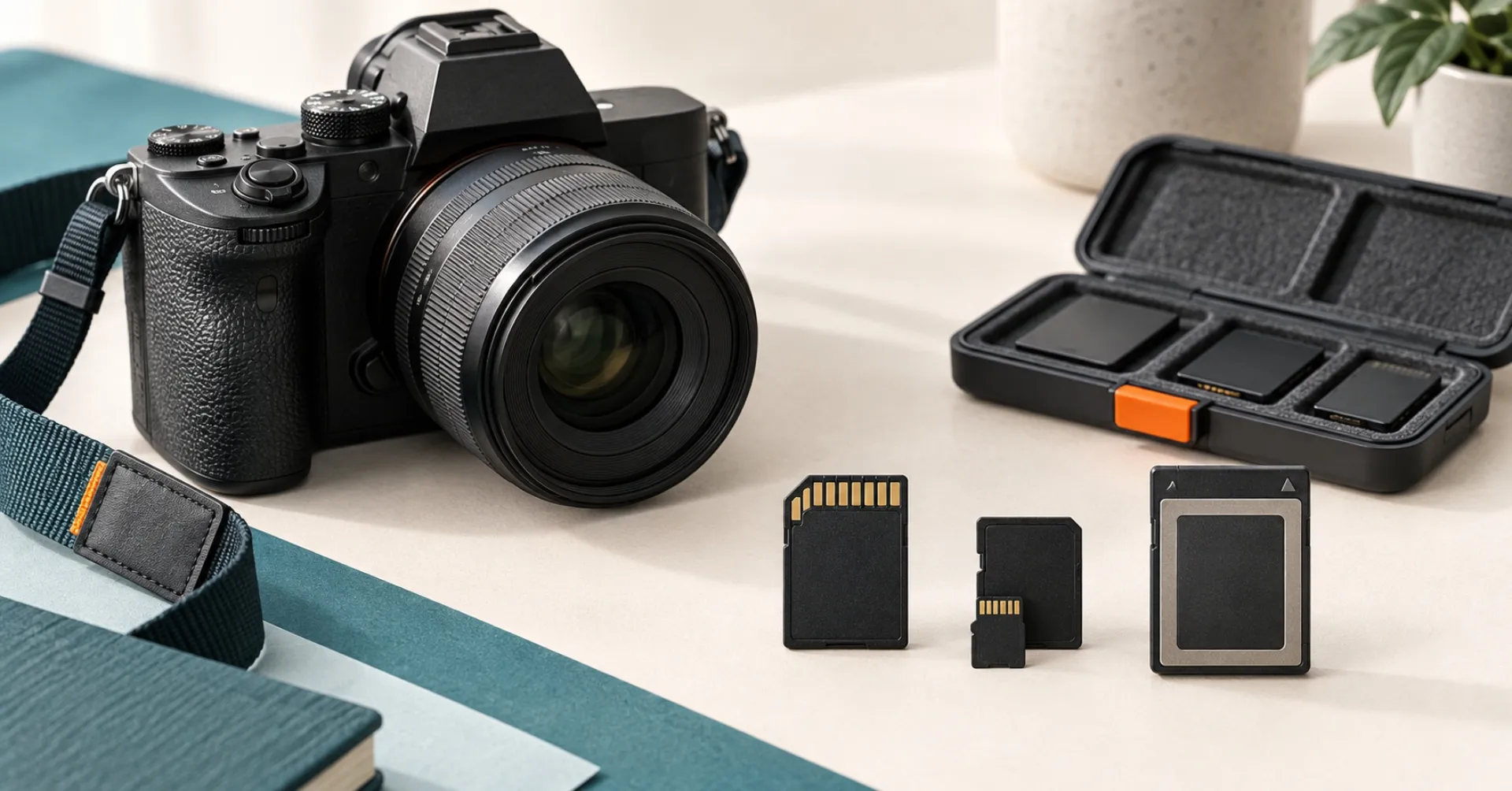
Camera with memory cards
Wedding Photography
Best Memory Cards for Photography: SD and CFexpress Picks
Find the best memory card for your camera, from affordable SD cards to fast UHS-II and CFexpress cards....
Learn More
Zacc Dukowitz
Man shooting a landscape sunset shot for a photography career (hero image)
Running a Photography Business
70+ Photography Careers and Jobs to Explore
Explore 70+ photography careers and jobs, compare different career paths, and learn how to choose an option that...
Learn More
Daniel Lopez Perez
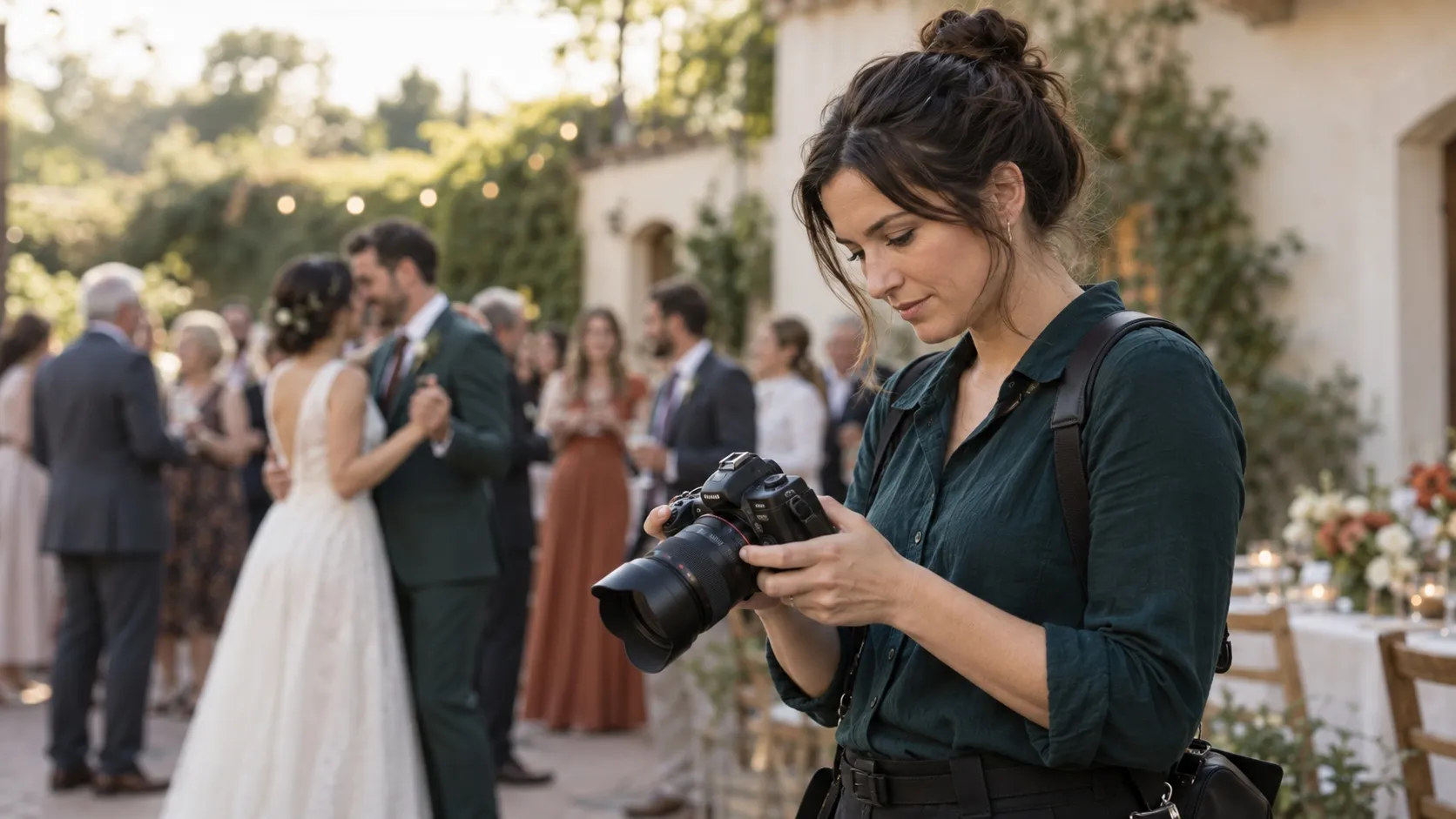
Hero image for a guide on 'why are my photos blurry' showing photographer checking her settings
Wedding Photography
Why Are My Photos Blurry? Find the Cause and Fix It
Figure out why your photos are blurry, identify camera shake, motion or focus problems, and learn what to...
Learn More
Daniel Lopez Perez
Don't Miss Anything

Getting your gear ready is a crucial step before you shoot a wedding. This guide has my step-by-step checklist for making sure my gear is always ready—so I can stop worrying about my gear, and focus on the wedding itself.

es_ESEspañol