

Photography by Daniel Lopez Perez


When someone searches “wedding photography blog,” they’re usually looking for one of two things:
- Real weddings they can browse for inspiration.
- Or proof that a photographer has shot something like what they’re planning.
But when photographers search the same phrase, they’re usually asking a different question:
How do I build a wedding photography blog that brings in traffic—and turns that traffic into inquiries?
That’s what this guide is for.
On a wedding photography website, the blog posts that perform best in search aren’t the ones with the prettiest galleries.
They’re the ones built around venues, locations, and the questions couples actually search.
The goal isn’t just to publish wedding galleries. It’s to build a blog that earns organic traffic and helps the right couples discover your work.
Related Wedding Photography SEO Guides
Learning how to blog is just one part of a successful SEO strategy. Start with our complete guide to SEO for Wedding Photographers, then continue with the resources that naturally come next.
| If you’re trying to… | Start here |
|---|---|
| Find the right keywords before you write | Keywords for Wedding Photographers |
| Start a wedding photography blog from scratch | How to Start a Wedding Photography Blog |
| See how SEO fits into your overall marketing strategy | Wedding Photographer Marketing |

Search Intent: What People Mean When They Google “Wedding Photography Blog”
“Wedding photography blog” hides two different search intents.
Couples want inspiration—real weddings, venues, seasonal examples, and reassurance you’ve photographed something similar.
Photographers want a system—what to post, how to title it, and how to structure it so it can rank.
If you only write for photographers, this page won’t match what Google expects for the keyword.
If you only post for couples, your blog can look great and still do nothing for search.
The Two Search Intents You’re Competing With
- Couples: searching venues, locations, and real wedding examples they can picture themselves in.
- Photographers: looking for a repeatable blogging strategy that supports SEO and inquiries.
The wedding photography blogs that win on Google do both.
They feel like inspiration to couples, but they’re structured like search assets underneath.
The Shortcut Definition
A wedding photography blog that ranks isn’t a chronological feed.
It’s a library of venue posts, location posts, and evergreen planning pages—all linked together.
If you treat your blog like a portfolio backup, it will behave like one.
If you treat it like a library, it can bring you inquiries long after you publish.
What a High-Performing Wedding Photography Blog Looks Like
When I look at wedding photography blogs that consistently rank on Google, the pattern is pretty clear:
They don’t behave like diaries.
They behave like searchable libraries.
To couples, they feel like inspiration. Structurally, they’re built to capture venue and location searches again and again.
Blogs That Rank on Google Use:
- Venue-forward titles: “Summer Wedding at [Venue] | [City] Wedding Photographer” beats “Emily & Jake’s Wedding.”
- Location signals in headings: venue and city names show up naturally in headings and body copy.
- Context, not just photos: the post answers a few couple questions, not just “here are 120 images.”
- Intentional internal linking: posts link to related venues, locations, and planning guides.
- Clean structure: venues, locations, sessions, and guides are grouped logically—not just by date.
Diary-Style Blog vs. SEO Blog
Most wedding photographers naturally blog in a chronological, diary-style order.
And there’s nothing wrong with that.
A diary-style blog builds trust. It shows real weddings. It gives couples something to browse when they land on your site from Instagram or a referral.
But this approach doesn’t build authority around venues, locations, or recurring planning searches. And over time, that means traffic doesn’t compound.
If you want your wedding photography blog to drive search traffic and inquiries, you need more than a diary. You need a search-driven layer underneath it.
This means structuring your wedding posts—and adding long-form guides—in a way that builds a searchable library instead of just an archive.
| Diary-Style Blog | Venue Weddings | Guides |
|---|---|---|
| Chronological browsing | Proof you’ve shot a searched venue | Evergreen “search demand” pages |
| Generic couple-name titles | Venue + city-driven titles | “Best venues,” “how to,” “planning” queries |
| Often light on text | Structured context + curated highlights | Most structured, most informative |
| Builds trust | Books couples already venue-shopping | Captures couples earlier in research |
| Weak SEO on its own | Strong when internally linked | Strongest compounding assets |

Why Most Wedding Photography Blogs Don’t Rank
Most wedding photography blogs don’t fail because the photos are weak.
They fail because Google can’t tell what the post is supposed to rank for.
A post without a clear search target behaves like a gallery—not a landing page.
Here are the four most common problems:
1. No Clear Venue Or Location Signals
If your title is just the couple’s names, Google has no idea what query the post answers.
“Rachel & Tom” doesn’t compete for anything.
“Spring Wedding at [Venue] | [City] Wedding Photographer” competes for venue searches and location searches.
What to do instead: lead with venue + city in the title, then reinforce it naturally in at least one heading and in the copy.
2. Writing Captions Instead Of Blog Posts
A lot of photographers paste a short paragraph under a big gallery and call it a blog post.
That’s a caption gallery.
Google needs structure: headings, context, and a clear topic focus.
What to do instead: add simple sections like “About the Venue,” “Portrait Locations,” or “Planning Notes.” You don’t need a novel—you need clarity.
3. Thin Galleries With No Strategic Focus
Not every wedding needs its own post.
If you blog every event without asking whether it adds venue or location authority, you end up with dozens of overlapping pages.
What to do instead: prioritize weddings that introduce a new venue, a new location, or a different search angle. Combine similar weddings instead of repeating near-identical posts.
4. No Internal Linking Structure
A blog post that doesn’t link to anything else stands alone—and most pages don’t rank alone.
Internal links tell Google which pages matter and how they relate.
What to do instead: link venue weddings together. Link real weddings to venue guides. Link guides back to proof posts. Build small clusters instead of isolated posts.
The 4 Post Types That Drive Most Wedding Blog Traffic
Not all blog posts are equal.
In most markets, a small handful of post formats drive most wedding photography blog traffic.
If you focus on these, your blog starts compounding. If you ignore them, you stay busy—and invisible.
| Post Type | Why It Ranks | What It Books |
|---|---|---|
| Real Wedding at [Venue] | Captures venue-specific searches | Couples already considering that venue |
| Venue Guide | Targets broader planning searches | Couples early in venue research |
| Location-Based Planning Post | Ranks for “[city] wedding” queries | Out-of-town and local searchers |
| Evergreen Planning Content | Targets recurring wedding questions | Couples comparing photographers |
1. Real Wedding at [Venue Name]
This is the backbone of most ranking wedding photography blogs.
Couples search their venue. If you’ve photographed it and structured the post well, you can show up right in that research process.
The key is specificity—venue name, city, and helpful context in the title and headings.
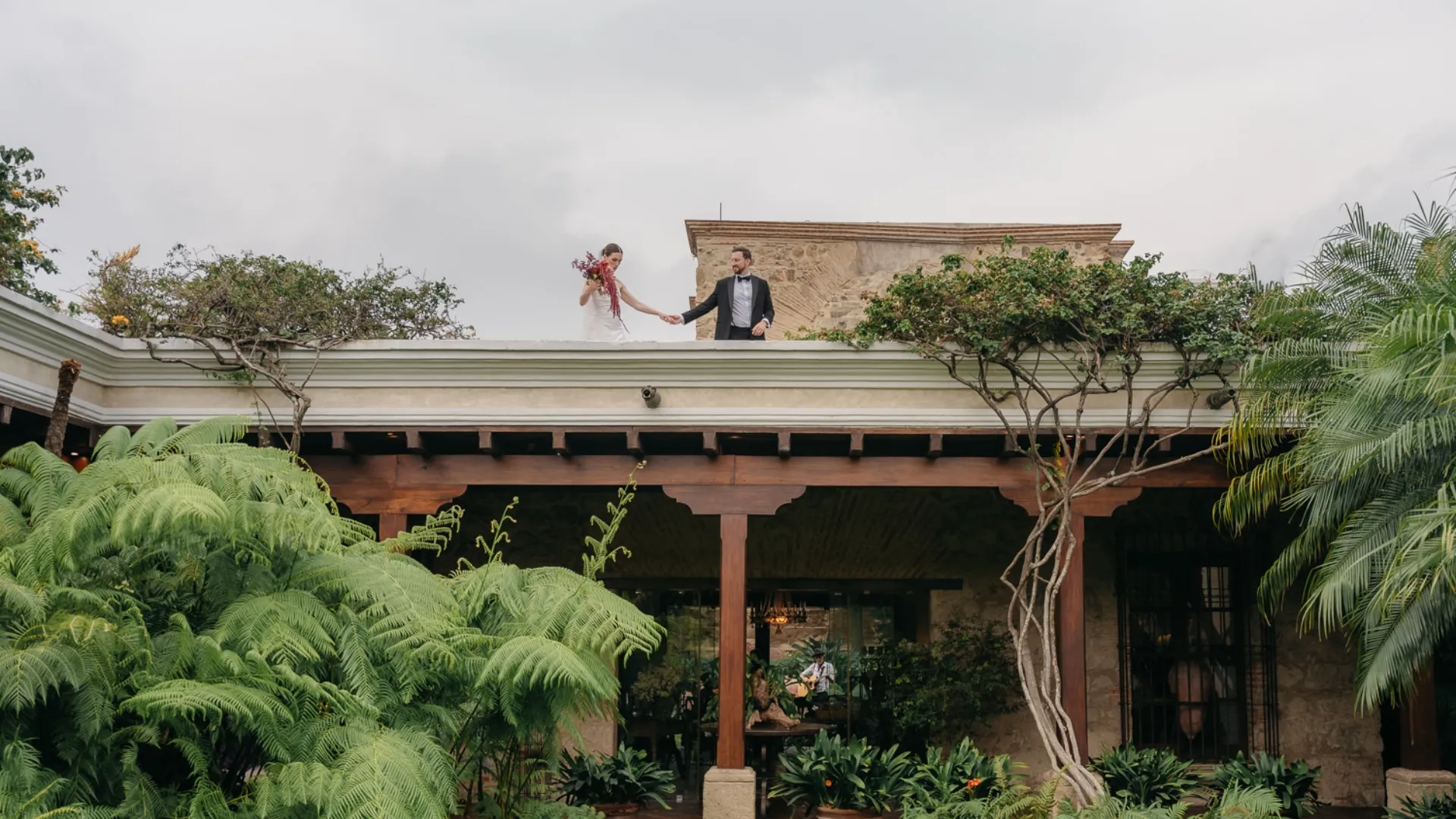
Here’s an example from my wedding photography blog (see the full post here):

2. Venue Guides
Even better than one wedding is a guide that answers the venue search at scale.
A strong venue guide can rank for broader planning searches, build authority around that venue, and keep performing even when you’re not actively posting.
This is also one of the easiest formats to refresh: update the year in the title when appropriate, add new venue notes, and swap in a few of your strongest images.
3. Location-Based Planning Posts
Think beyond the venue.
Posts like “Best Wedding Locations in [City]” or “Planning a Wedding in [City]” reach couples earlier in their process.
These aren’t galleries. They’re resources.
4. Evergreen Planning Content
Some searches happen everywhere:
Wedding timelines. First look decisions. Indoor ceremony lighting concerns.
When you write these clearly, add local relevance, and link them into your venue content, they attract couples who are comparing vendors—not just browsing.
If you build your wedding photography blog around these four categories, you stop guessing what to post and start building search assets intentionally.
How to Structure a Wedding Blog Post for SEO
If you want a wedding photography blog that ranks, you need a repeatable structure.
Not because Google “likes structure.”
Because structure forces you to answer a specific search query instead of publishing a generic gallery.
Here’s a quick system:
Step 1: Pick One Search Target Per Post
Before you write anything, decide what someone would type into Google that this post should match.
Most of the time, the strongest target is simple:
- [Venue Name] wedding
- [Venue Name] wedding photographer
- [City] wedding photographer (only if the post supports it)
If you can’t name a target query in one sentence, the post will usually read like a diary—and it will perform like one.
Step 2: Use a Title Format That Signals Venue + Location
A practical default formula:
- [Season or type] Wedding at [Venue Name] | [City] Wedding Photographer
Examples:
- Fall Wedding at [Venue] | [City] Wedding Photographer
- Intimate Garden Wedding at [Venue] | [City] Wedding Photographer
This isn’t keyword stuffing. It’s clarity.
Step 3: Use This H2 Blueprint
You don’t need a long post.
You need a post that’s easy for Google (and couples) to understand.
| Section | What to include |
|---|---|
| Quick context | 1–3 lines: venue + location + what kind of day it was (no backstory) |
| About the venue | What it looks like, where it is, and one reason it photographs well |
| Lighting + photo spots | 2–4 specific photo-friendly areas (ceremony spot, portrait area, reception light) |
| Vendor + planning notes | One helpful detail couples care about (timing, rain plan, indoor backup) |
| Gallery highlights | A short, curated set of images (avoid dumping 120 photos with no hierarchy) |
Step 4: Handle Images and Alt Text Without Wasting Your Life
Alt text is not where you write poetry.
Use simple, honest descriptions that include the venue when it’s relevant.
- Good: “Bride and groom portraits at [Venue] in [City]”
- Fine: “Wedding ceremony at [Venue]”
- Skip: “romantic timeless love story captured beautifully”
If the venue name applies, use it. If it doesn’t, don’t force it.
Step 5: Add Internal Links That Build a Cluster
Internal linking is how your blog stops being a pile of standalone posts.
A simple rule:
- Link to 1 related post: another wedding at the same venue, or a venue guide.
- Link to 1 planning resource: something that supports the couple’s next question.
Keep it tight and relevant. Two good internal links beat ten random ones.
[Want to dive deeper on SEO? Check out our 4-layer SEO system for wedding photographers.]

What to Blog about If You Want Bookings
The fastest way to burn out on a wedding photography blog is trying to blog everything.
You don’t need a post for every wedding.
You need posts that build search visibility in places couples already look: venues, locations, and recurring planning questions.
Blog This If You Want Search Traffic
- New venue: your first (or best) wedding at a venue couples actively search.
- New location: a city, neighborhood, or region you want to be known in.
- Strong angle: something that changes the query (backyard wedding, winter wedding, intimate chapel wedding).
- Cluster support: a post that can link to (and from) an existing venue guide or location page.
Skip It, Combine It, Or Change The Angle
- Redundant weddings: the third post that targets the same venue with the same structure and no new value.
- Generic titles: couple-name posts that don’t map to a real search.
- Thin galleries: big galleries with little or no structure.
- Personal updates: anything that doesn’t support a booking or authority goal.
If you love a wedding but it’s redundant from an SEO standpoint, you don’t have to throw it away.
Change the angle.
Instead of another “Real Wedding at [Venue],” write a tighter post that answers a different query:
- “Indoor Ceremony Lighting at [Venue]”
- “Best Photo Locations Around [Venue]”
- “Rain Plan Wedding at [Venue]: What Worked”
The Quick Filter: Should This Become A Blog Post?
| Question | If yes | If no |
|---|---|---|
| Does this add a new venue or location target? | Publish | Consider combining or changing angle |
| Would a couple realistically search for this? | Publish | Skip or reframe around a real query |
| Can it link into an existing cluster on your site? | Publish | Create the cluster first, or hold the post |
If you make blogging decisions with this filter, blogging stays sustainable—and the posts you publish actually build momentum.
[Dive deeper: Check out our guide to keywords for wedding photographers.]
How Often Should You Post to See Results
There isn’t a magic posting schedule for a wedding photography blog. What matters more than frequency is this: Are you publishing posts that match real searches (venues, locations, planning queries), and are you doing it consistently? Two strategic posts a month will usually outperform eight random posts a month.The Minimum Sustainable Cadence
If you want a simple default that works for most photographers:- 1–2 posts per month that target venues or locations you want to be known for.
- 1 evergreen post per month (or every other month) that answers a common planning question.
What To Prioritize When You’re Busy
When time is limited, I prioritize posts that will still matter a year from now:- Venue posts: my best wedding at a searched venue.
- Venue guides: one strong guide can carry more weight than multiple single weddings.
- Location posts: the cities and regions I actually want inquiries from.
Updates Often Beat New Posts
A blog that ranks is rarely built on brand-new posts alone. It’s built on a few pages that keep getting stronger. If you have a venue post that’s already getting impressions, expanding it can be a faster win than starting from scratch.- Add 2–3 new images and tighten the gallery curation.
- Add a short “About the venue” section that answers common couple questions.
- Add 1–2 internal links to related posts (same venue, nearby venues, a planning guide).
A Simple Posting Plan You Can Actually Maintain
- Monthly: publish one venue or location post.
- Every other month: publish one guide (venue guide or planning post).
- Quarterly: update your top-performing venue posts instead of adding new ones.
Wedding Photography Blog FAQ
Here are answers to questions I see come up a lot around blogging for wedding photography websites.
Do couples actually read wedding photography blog posts?
Yes, but not always the way photographers imagine. Couples use blog posts as proof you’ve photographed a venue, a type of wedding, or a location like theirs. Even when they don’t read every word, they scan for context, venue familiarity, and the feeling of the full gallery.
Is blogging still worth it for wedding photographers?
It is if your posts target real searches and build venue and location authority over time. If your blog is mostly chronological galleries with generic titles and minimal structure, it usually won’t produce consistent traffic or inquiries.
Should I blog engagement sessions too?
Engagement sessions can be worth blogging if they help you rank for a location, a recognizable spot, or a planning query couples search. If the post is just a pretty session with no clear search target, it’s more portfolio than SEO.
[Need help building your wedding photography portfolio? This guide walks you through the process.]
Do I need a separate blog, or can it live on my website?
It can live on your website. The structure matters more than whether it’s separate. What matters is that posts are easy to understand, internally linked, and built around venues, locations, and planning searches.
Should I blog every wedding?
No. A booking-focused wedding photography blog is built on strategic posts that add a new venue, location, or search angle. If you blog everything, you’ll often create thin duplicates and burn out before you build a strong library.
How long should a wedding photography blog post be?
Long enough to be clear. A structured post with a few helpful headings and real venue context usually beats a massive gallery with no text. Aim for usefulness and clarity, not word count.


 Español