

Photography by Daniel Lopez Perez


In my experience, photojournalistic wedding photography is one of the most misused style labels in weddings.
Some photographers use it as a synonym for candid.
Some use it as a synonym for documentary.
Some use it just to mean “I won’t pose you.”
When I say photojournalistic, I mean something stricter: an observation-first approach with minimal intervention.
The goal is to document what actually happens, not to manufacture moments for the camera.
(If you’re a couple who landed here: photojournalistic usually means your photos will feel honest and unforced—more like a record of the day than a staged version of it.)
→ Jump to: What Is Photojournalistic Wedding Photography?
→ Jump to: Is Photojournalistic Wedding Photography a Good Fit for You?
Related Wedding Photography Styles
Not sure where photojournalistic fits? Start with our guide to Wedding Photography Styles, then explore the styles photographers most often compare with photojournalistic coverage.
| If you’re comparing… | Start here |
|---|---|
| Photojournalistic vs. Documentary Wedding Photography | Documentary Wedding Photography |
| Photojournalistic vs. Candid Wedding Photography | Candid Wedding Photography |
| Photojournalistic vs. Traditional Wedding Photography | Traditional Wedding Photography |
What Is Photojournalistic Wedding Photography?
Photojournalistic wedding photography is truth-first coverage.
The defining trait is restraint.
You’re not directing people through moments or asking for repeats.
And you’re not “improving” a scene so it photographs better.
You’re observing, anticipating, and documenting what unfolds—especially the emotional reality of the day, even when it isn’t perfectly composed or perfectly flattering.
Here’s the simplest way to define it:
- Photojournalistic wedding photography is: observation-first coverage with minimal intervention, documenting real moments as they happen.
- Photojournalistic wedding photography is not: “a candid editing style,” “random unposed photos,” or “documentary storytelling with lots of prompting.”
What Photojournalistic Wedding Photos Typically Look Like
Photojournalistic wedding photos tend to feel raw.
Not because they’re sloppy, but because they’re honest.
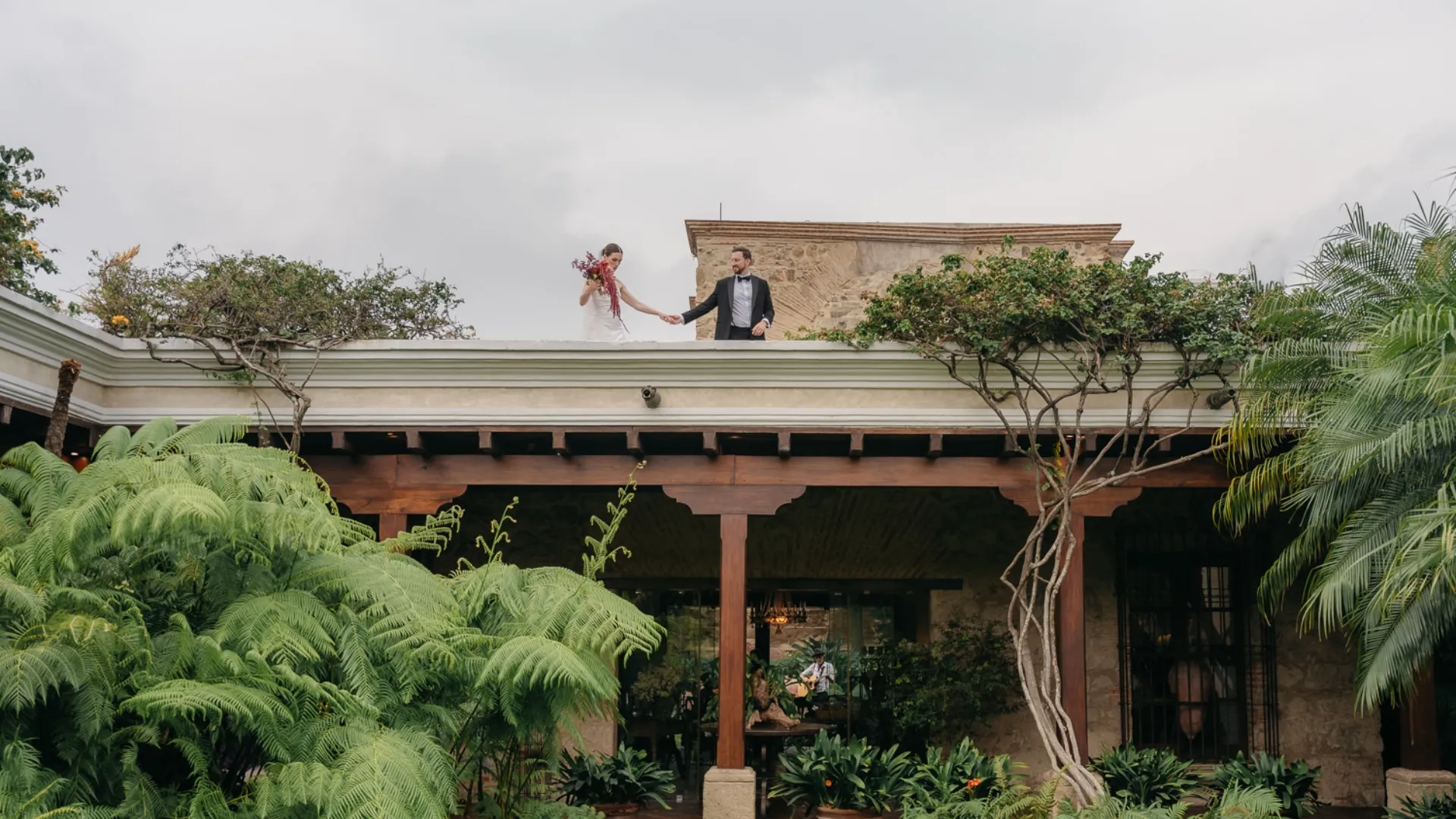
They show real expression, real context, and real sequences, without the polish that comes from staging.

Most of the “photojournalistic feel” comes from three things:
- Non-interference: you let moments resolve without steering them.
- Positioning: you get in the right place early, so you can catch the peak without directing it.
- Story discipline: you keep frames that add meaning (context / reaction / consequence), not just frames that look clean.
Common Visual Traits Of Photojournalistic Wedding Photos
- Unfiltered expressions: laughter, tears, shock, tension without the subject being “camera aware.”
- Layered scenes: background reactions and relationships matter.
- Real environments: tight rooms, clutter, chaos because that’s what the day really looked like.
- Imperfect moments: the images include truth, not just flattering highlights.
- Sequences: moments resolving over time, not just a single “best” frame.

How Photojournalistic Wedding Photography Compares To Similar Styles
Photojournalistic gets confused with nearby styles because the images can look similar.
The difference is the ethic: what you will and won’t do to get the photo.
- Photojournalistic is an ethic (minimal intervention).
- Documentary is a story (scenes, context, continuity).
- Candid is a look (natural, unforced).
- Lifestyle is a method (prompts that produce natural-looking moments).
This quick chart compares photojournalistic wedding photography with a few related styles:
| Style | Primary Focus | Direction Level | What Gets Confused |
|---|---|---|---|
| Photojournalistic | Truth-first, observation | Low | Used as a synonym for candid, even when the photographer regularly prompts or directs |
| Documentary | Story, context, continuity | Low–Medium | Labeled photojournalistic even when the photographer shapes moments to improve the story |
| Candid | Unforced feel and real interactions | Low–Medium | Assumed to mean “no direction,” even though many candid photographers guide lightly |
| Traditional | Must-haves and clear portraits | High | Seen as the opposite of photojournalism, even though many photographers blend both approaches |
Is Photojournalistic Wedding Photography a Good Fit for You?
Photojournalistic wedding photography is a commitment.
It’s not just a look. It’s a set of boundaries.
If you want to influence moments, improve scenes, or make everything flattering, you’ll probably fight this style.
If you’re comfortable letting reality be the subject—even when it’s imperfect—it can be a great fit.
[Just getting started with wedding photography? Check out our guide on how to become a wedding photographer.]
Signs Photojournalistic Wedding Photography Is A Good Fit
- You value truth over control, even when the scene isn’t “pretty.”
- You’re comfortable staying quiet and letting moments resolve without stepping in.
- You can anticipate emotion and position yourself for it without directing it.
- You don’t need every image to be perfectly flattering to feel proud of it.
Signs You’ll Fight Photojournalistic Wedding Photography All Day
- You feel the urge to fix posture, hands, hair, or backgrounds while a moment is happening.
- You want to repeat moments “just once” to get a cleaner version.
- You rely on prompts or direction to create interaction.
The Low-Stress Way To Test Photojournalistic Wedding Photography
- Pick one part of a wedding day with real emotional potential (prep, ceremony, or speeches).
- Your rule: no prompting and no intervention. You can reposition yourself, but you don’t reposition people.
- Afterward, review the set: did you capture what actually happened, or did you keep wishing you could fix it?
Three Things Photojournalistic Wedding Photographers Prioritize
If photojournalism is a fit, these priorities will feel natural to you.
Photojournalism isn’t “I never take a nice portrait.” It’s “I don’t manufacture the day.”
- Truth over polish: you keep what happened intact, even if it isn’t perfectly curated.
- Positioning and timing: you get the shot by being ready, not by directing.
- Story context: you show the room, the reactions, and the relationships—not just the main action.
Two Things Photojournalistic Wedding Photographers Deprioritize
- Repeats and resets: if you’re re-running moments, you’re leaving the ethic.
- Perfection-first control: you don’t stop the day to clean a frame unless it’s truly necessary.

How Photographers Typically Deliver Photojournalistic Wedding Photography
Photojournalistic wedding photography is quietly demanding.
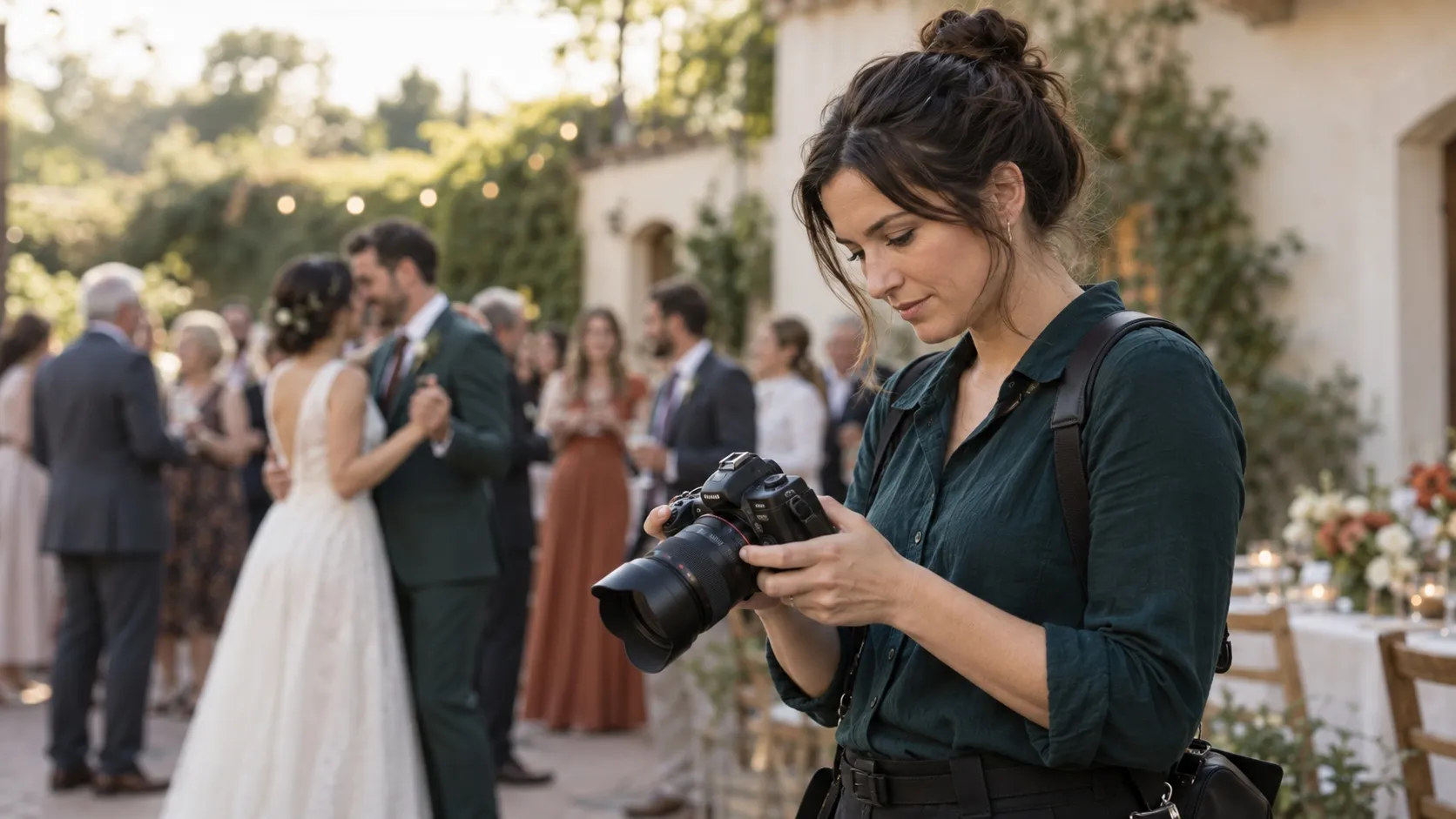
If you’re not going to intervene, you have to do everything else well: positioning, timing, awareness, and patience.
Positioning Instead Of Prompts
When it comes to positioning, you don’t create the moment when shooting in a photojournalistic style.
Instead, you place yourself so you can see the moment clearly.
That means you’re thinking ahead:
- Where will reactions happen?
- Where will people look?
- Where will the action resolve?
If you keep getting “aftermath” photos instead of peak moments, that means you’re probably arriving late, not shooting poorly.
Watching The Whole Room
The main moment is only part of the story.
Parents, friends, and small background interactions often carry the emotional weight.
Photojournalistic photographers train themselves to see layers, not just subjects.
Shooting Sequences
Photojournalism is strongest when it shows time.
Before.
During.
After.
If you only shoot one “best” frame, you get a highlight.
If you shoot the sequence, you get a story.
Editing Like A Photojournalist
This is where the ethic often breaks.
Photojournalistic coverage isn’t just how you shoot—it’s also how you edit.
If you remove every imperfect moment, you can accidentally erase what the day actually felt like.
A good photojournalistic edit keeps:
- Scene-setters that establish place and mood
- reactions that change the meaning of a moment
- The “before and after” frames that make moments resolve
Knowing When Not To Help
This is where the ethic becomes real.
There are moments where you could fix something: a hand placement, a messy background, or a crooked tie.
Photojournalistic coverage usually chooses not to fix it in the moment, because doing that changes the moment.
Safe Anchors That Keep the Day Functional
Most working photographers who lean photojournalistic still protect a few essentials:
- Family photos.
- A short couple portrait block.
- Key moments captured clearly.
The difference is that those pieces don’t take over the day, and they’re done efficiently so the day can keep unfolding.
Gear Defaults That Make Photojournalism Easier
These aren’t rules, just defaults that reduce friction when things move fast.
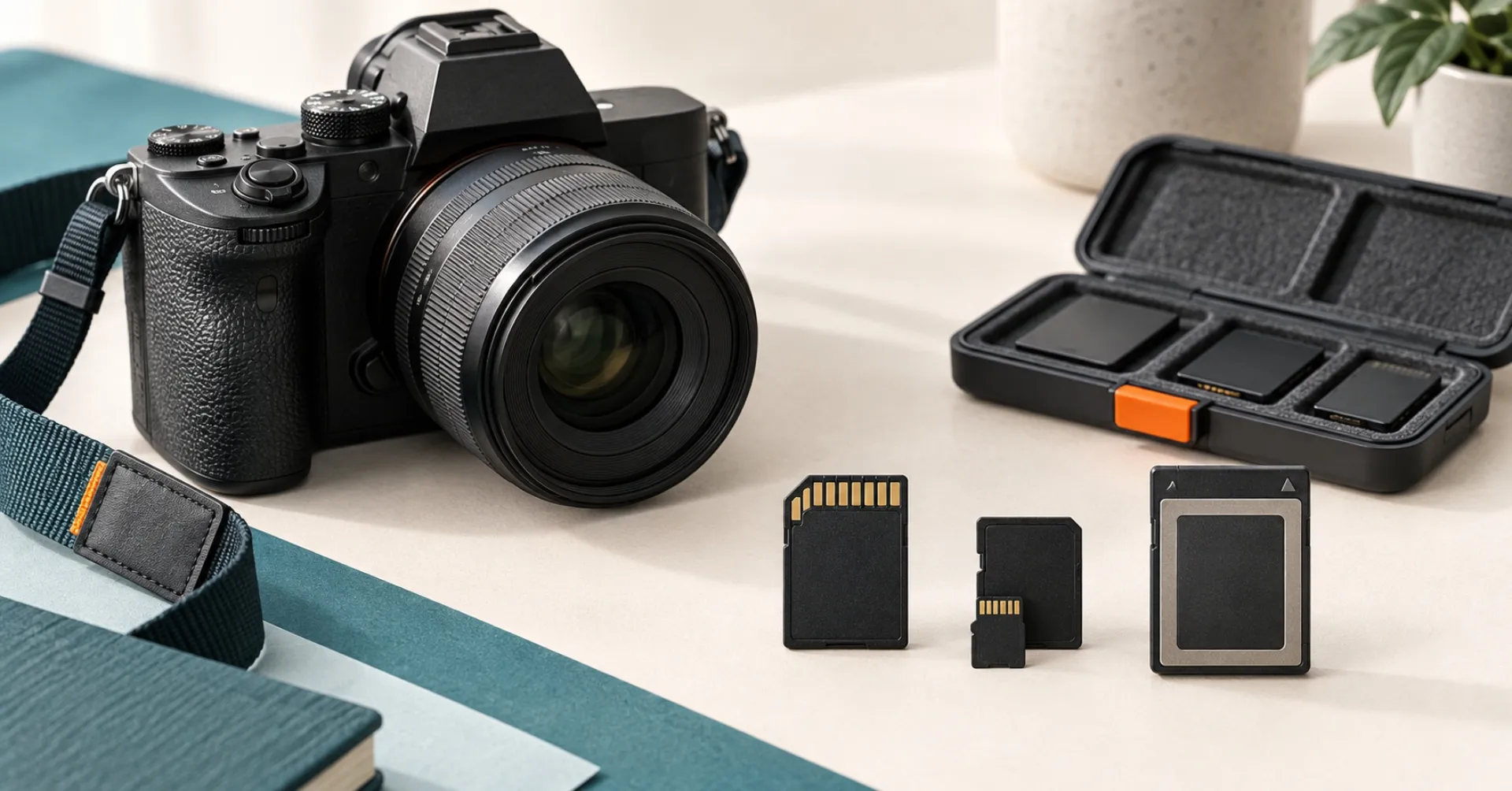
- Shutter speed floor: fast enough to handle movement so you’re not “saving” frames later.
- AF habit: continuous autofocus with face/eye priority so you can stay present.
- Focal length bias: one lens for working close (connection) and one for stepping back (context).
- Quiet shooting: be mindful of shutter noise in emotional moments and quiet spaces.
Common Mistakes Photographers Make With Photojournalistic Wedding Photography
The most common mistake is using the label without embodying the ethic.
If you’re prompting, staging, or repeating moments regularly, you might be candid or documentary, but you’re not really photojournalistic.
Mistakes That Break The Photojournalistic Promise
- Calling candid coverage “photojournalism”: a natural look isn’t the same thing as minimal intervention.
- Breaking the ethic when it’s inconvenient: stepping in to “save” moments changes the story.
- Over-curating the gallery: removing every imperfect frame can erase the truth of the day.
- Confusing chaos with honesty: you can be hands-off without being careless.
What To Do Instead
- Define your boundaries: what you will and won’t intervene in, and stick to it.
- Get there early: strong photojournalism often comes from being positioned before the moment peaks.
- Think in scenes: capture context and continuity, not just faces.
- Edit for meaning: keep frames that add story weight, not only frames that look clean.
How To Describe Photojournalistic Wedding Photography To Clients Without Confusing Them
Photojournalistic wedding photography can sound extreme if you describe it the wrong way.
If you say “we don’t pose anything,” some couples will hear “we won’t help you.”
If you say “it’s all candid,” some couples will hear “we might miss the must-haves.”
The goal is to describe the promise clearly: honest coverage, minimal interruption, and real moments as they happen.
Client-Friendly Language That Stays Accurate
- “I focus on documenting real moments as they happen, with minimal interruption.”
- “I’m there to observe and capture the day, not manufacture it for the camera.”
- “You’ll get photos that feel honest and unforced, like a real record of what the day was actually like.”
Language To Avoid
These phrases often create the wrong expectations.
- “Everything will be candid.”
- “Nothing will be posed.” (Most couples still want some structure somewhere.)
The Expectation Setter That Saves You
- “Most of the day is captured as it unfolds with minimal interruption—while still making sure the important photos get covered clearly.”
Photojournalistic Wedding Photography FAQ
Here are answers to some of the most commonly asked questions about shooting weddings in a photojournalistic style.
Is photojournalistic wedding photography the same as documentary?
No. Documentary is story-first coverage with context and continuity. Photojournalistic is defined by a minimal-intervention ethic.
Does photojournalistic wedding photography mean no posing at all?
Not always. Many photographers who lean photojournalistic still do a short, efficient portrait block. The difference is that the day itself isn’t staged.
Is photojournalistic wedding photography risky?
It can be if the photographer is passive. Strong photojournalism is anticipation and positioning, not “hoping things happen.”
What does “photojournalistic” mean in photography?
In general, photojournalism is about documenting real events in a truth-first way, with minimal interference.
In weddings, that translates to observation-first coverage: letting moments unfold, positioning early, and delivering images that feel like what the day actually was.
Who is photojournalistic wedding photography best for?
Photographers who are comfortable leaving their subjects alone, even if it means shots are a little messy and imperfect.
Couples who care more about honest moments and emotional truth than perfectly posed images, and who don’t want constant interruptions.
What Is WPJA?
WPJA is the Wedding Photojournalist Association.
WPJA is often used as shorthand for a certain kind of work: candid, truth-forward, moment-driven coverage. The term can signal that a photographer values real moments and often shoots in a photojournalistic direction. But it’s not a guarantee that the photographer never prompts, never directs, or never switches modes for portraits.

 Español