

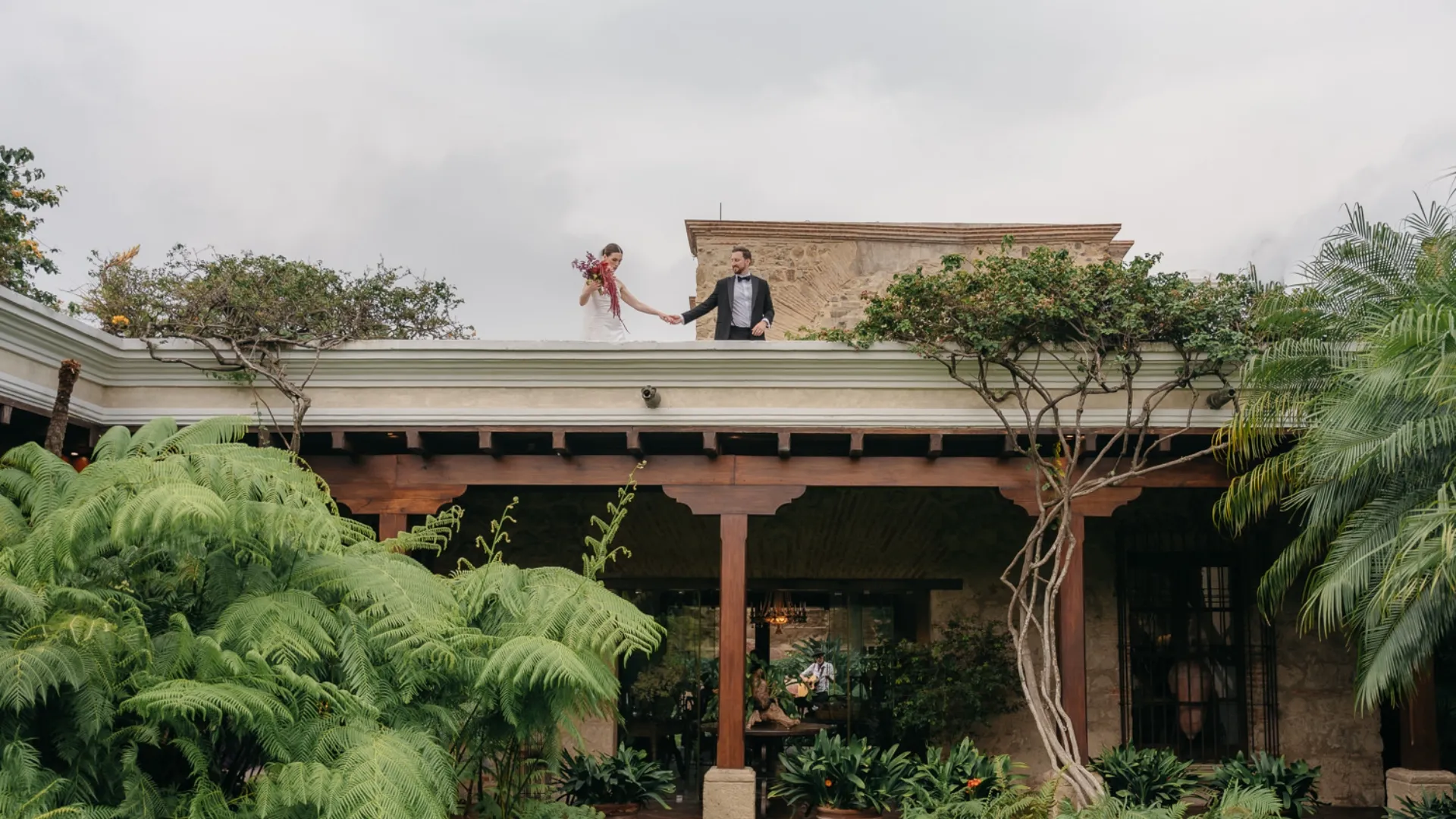
Photography by Daniel Lopez Perez


Some wedding photographers use “moody” to mean darker photos, while others apply it to almost anything cinematic, dramatic, or simply “not light and airy.”
But in practice, I don’t think moody wedding photography is about exposure.
It’s about priorities: contrast over brightness, atmosphere over even lighting, and emotional weight over visual safety.
That’s also why people often group dark wedding photography, gothic wedding photography, and moody wedding photography together. They’re usually responding to the same emotional atmosphere, even though photographers may approach those looks differently.
This guide is written for wedding photographers who want to understand what actually makes work feel moody, how to tell if it’s a good fit for you, and how to produce moody wedding shots.
(If you’re a couple who landed here: “moody” usually means deeper, more atmospheric images—the kind people save on Pinterest—not photos that are simply dark.)
→ Jump to: What Photographers Usually Mean By Moody Wedding Photography
→ Jump to: Is Moody Wedding Photography Actually Your Style?
Related Wedding Photography Styles
Not sure where moody fits? Start with our guide to Wedding Photography Styles, then explore the styles photographers most often compare with moody coverage.
| If you’re comparing… | Start here |
|---|---|
| Moody vs. Artistic Wedding Photography | Artistic Wedding Photography |
| Moody vs. Editorial Wedding Photography | Editorial Wedding Photography |
| Moody vs. Light and Airy Wedding Photography | Light and Airy Wedding Photography |
What Is Moody Wedding Photography?
Most of the time, “moody” describes the feel of the photos.
They feel deeper, more atmospheric, and more emotionally weighted.
But moody isn’t a synonym for “dark exposure.”
In weddings, moody is usually a promise that you’ll use contrast intentionally, not a promise that every frame will be dim.
A lot of people search “moody photography” and then try to apply that vibe to weddings. But weddings come with must-haves, mixed light, and people who still need to look like themselves.
Here’s the boundary that keeps the “moody” style clear:
- Moody wedding photography is: contrast-driven coverage that uses selective light and shadow to create depth, atmosphere, and emotional weight.
- Moody wedding photography is not: underexposed images, crushed shadows, or dark presets applied without intention.
Moody wedding photography is contrast-first.
Operationally, this means you’re making decisions about where light lives.
You protect highlights, shape direction when you can, and allow parts of the scene to fall into shadow instead of forcing everything into visibility.
Moody also doesn’t mean the entire wedding has to look dark.
It means you’re comfortable letting contrast exist when it supports the image, and resisting the urge to flatten the scene just to make it easier.
One important clarification: a dark preset can support a moody look, but it can’t create mood by itself.
If the work isn’t intentional in-camera (light direction, composition, timing), the edit is just styling.
You decide what matters in the frame, and you light for that first.
What Does “Moody Photography” Mean?
In general, moody photography (also called dark and moody photography) refers to images that feel atmospheric and emotionally weighted.
It’s usually built on selective light, intentional shadow, and controlled highlights. These elements give the frame depth, tension, or intimacy instead of a bright, evenly lit baseline.
And this is why “moody” often gets confused with “dark.”
Dark exposure can be part of it, but mood is more about contrast and intention than simply making the photo dim.
In weddings, the constraint is readability: faces and key moments still need to look like themselves, even when the environment falls into shadow.
What Moody Wedding Photos Typically Look Like
Moody wedding photos should feel like you’re being pulled into the moment.
But that doesn’t mean the photos are confusing, muddy, or hard to read.

Good moody work looks effortless, but it’s actually built on control—especially around light direction and highlights.
Most of the “moody feel” comes from three things:
- Selective light: you decide what gets lit, and you let the rest fall away.
- Highlight control: bright areas stay clean so contrast feels intentional, not chaotic.
- Atmosphere-first composition: shadow and negative space support the frame instead of being “fixed.”
Common Visual Traits of Moody Wedding Photos
- Selective light: the subject is lit on purpose, while parts of the scene fall into shadow.
- Clean contrast: shadows are present, but they don’t feel muddy or gray.
- Protected highlights: bright areas stay controlled instead of blowing out or getting harsh.
- Depth and falloff: backgrounds often drop away, and the frame feels layered.
- Tonal consistency: the gallery feels cohesive through contrast and tone, not identical brightness in every room.

How Moody Wedding Photography Compares to Similar Styles
Moody sits close to a few other style labels, and the overlap is real.
So real that people often mix them up, using terms like moody, dark, gothic, dramatic, and editorial interchangeably, as if they were all the same.
[Just getting started with wedding photography? Check out our guide on how to become a wedding photographer.]
But there are key differences:
- Moody is about contrast and atmosphere.
- Dramatic is about impact (which can come from moment, light, composition, or pacing).
- Editorial is about crafted polish and design-forward frames.
- Artistic is about interpretation and personal vision.
- Documentary is about storytelling across the day.
These differences matter when you translate them into expectations and deliverables.
This quick chart compares a moody approach to shooting weddings with a few other related labels:
| Style | Primary Focus | Direction Level | What Gets Confused |
|---|---|---|---|
| Moody | Atmosphere, contrast, emotional tone | Medium | Assumed to mean dark, when it’s really about selective light and intentional shadow |
| Dramatic | Impact, intensity, “big feeling” frames | Varies | Assumed to be the same as moody, even though drama can be created through composition, moment, or flash—not just contrast |
| Editorial | Polish, design, hero images | High | Lumped in because both can look dramatic, even though editorial prioritizes control and finish |
| Artistic | Personal expression and interpretation | Low–Medium | Confused because both may feel stylized, but artistic intent goes beyond tonal choices |
| Documentary | Story and continuity across the day | Low–Medium | Confused because both can feel emotional, but documentary prioritizes narrative over tone |
One more overlap worth naming: edgy wedding photography is usually a vibe (styling + attitude + subject matter), not a lighting strategy.
You can shoot “edgy” with moody contrast, editorial polish, or even documentary realism.
Moody vs. Dark vs. Gothic Wedding Photography
These labels get mashed together online, but they’re not the same thing.
Moody wedding photography is a photography approach: contrast and atmosphere as a baseline—selective light, controlled highlights, and shadow used intentionally.
Dark wedding photography is usually client-facing shorthand for “deeper, more dramatic images” (and sometimes it simply means darker editing).
It can overlap with moody, but it doesn’t automatically imply clean highlight control or intentional shadow placement.
Gothic wedding photography is primarily an aesthetic: darker styling, themes, and visual references (wardrobe, florals, venues, mood).
It can be shot moody, editorial, documentary, or artistic—the “gothic” part is the vibe, not the technique.
If a couple asks for “gothic wedding photos,” they often mean dark romance visuals (candles, velvet, dramatic florals, moody venues) more than a specific exposure level.
As a photographer, your job is to translate that vibe into images that still hold up technically:
- Keep faces readable: gothic doesn’t work if skin goes gray, orange, or disappears into shadow.
- Control highlights: candles, chandeliers, and windows can destroy the mood if they blow out or go chaotic.
- Use separation: backlight, rim light, or a clean shadow edge keeps dark styling from turning into a flat, muddy frame.
Romantic Dark and Moody Wedding Photography
A lot of couples want “dark and moody wedding photography” but mean something more specific: romantic, intimate images with depth, without harshness or heavy-handed darkness.
Romantic moody work usually looks like soft falloff, controlled highlights, and skin tones that stay warm and believable.
The shadows are present, but they don’t swallow faces.
If your moody work feels cold or heavy, it’s often because the edit is doing all the work.
Romantic moody usually starts with clean, directional light and a gentle contrast curve, not just “make it darker.”
Is Moody Wedding Photography Actually Your Style?
Big picture, moody wedding photography may be a good fit if you can consistently deliver depth and atmosphere—across different lighting, timelines, and venues.
Signs Moody Is a Good Fit
- You like directional light and you naturally look for it (windows, side light, backlight, shadow edges).
- You’re comfortable letting shadows exist instead of trying to fix them in every frame.
- You prefer depth and atmosphere over perfectly even exposure across a whole scene.
- You enjoy making choices in-camera: what matters is lit, what doesn’t can fall away.
Signs You’ll Fight Moody All Day
- You feel stressed if you can’t clearly see detail everywhere in the frame.
- You rely on flat, even light as your default and you don’t enjoy hunting for direction.
- You hate editing that involves managing contrast and protecting skin tones in mixed light.
- You want a consistent bright baseline in every room, even when the light is ugly.
The Low-Stress Way to Test It
- Pick one part of a wedding day and treat it as your “moody block” (portraits and reception are easiest).
- Your rule: find directional light, expose for highlights, and let the shadows fall—without burying faces.
- Afterward, review the set. Do the photos feel intentional and stay readable? If yes, moody is probably a real fit for you.
Three Things Moody Wedding Photographers Prioritize
If moody is a fit, these priorities will feel natural to you.
Moody isn’t “everything is dark.”
It’s “contrast is a tool, and I use it on purpose.”
- Directional light: you’re always looking for where the light has shape (window edge, side light, backlight, shadow lines), because direction is what creates depth.
- Highlight control: you protect bright areas first (windows, sky, fixtures) so the contrast feels clean instead of chaotic.
- Atmosphere over completeness: you’re willing to let parts of the scene fall away so the frame feels intentional and emotionally weighted.
Two Things Moody Wedding Photographers Deprioritize
- Even lighting everywhere: you’re not trying to make every room look the same, especially when the light is ugly.
- Visual safety when it flattens feeling: you still get the must-haves, but you don’t default to “make everything visible” if it kills the mood.

How Photographers Actually Deliver Moody Wedding Photography
Moody work is meant to look effortless—but it isn’t.
It happens quietly, through light choices, exposure discipline, and simplification.
Direction Level
Most moody wedding photographers still direct.
They just don’t direct in a way that turns every moment into a set.
In practice, moody direction is more about placement than posing:
- Light-driven placement: move people into direction (window edge, side light, backlight).
- Simple cues: turn toward the light, separate from the background, hold still for one clean frame.
- Minimal over-posing: the mood collapses fast when people feel like they’re performing.
Where the Work Happens
Moody success is mostly decided before you press the shutter.
- Before moments: you position for the cleanest directional light and the least distracting background.
- During moments: you protect the highlights and let the shadows deepen naturally instead of forcing everything into midtones.
- After moments: you choose frames that keep the atmosphere intact, not only the brightest frames in the sequence.
Locations and Lighting That Make Moody Easier
These aren’t rules, just defaults that reduce friction when you want a moody look consistently.
- Overcast days: softer contrast and easier skin tones (then you add mood through direction + composition).
- Open shade with a shadow edge: clean faces, deeper background, and easy separation.
- Window light indoors: the most reliable moody tool when venues are cluttered or mixed-lit.
- Dusk / blue hour: natural atmosphere without fighting harsh overhead sun.
- Candlelight and warm practicals: great for romantic moody frames if you keep skin tones under control.
Dark interiors can help the atmosphere, but they also punish sloppy exposure and mixed color.
The baseline goal is simple: keep faces readable, then let everything else fall away.
Highlight Control as a Baseline
Moody falls apart fast when highlights get messy.
Most moody shooters work from this baseline:
- Protect highlights first (windows, sky, bright fixtures).
- Keep skin readable (don’t bury faces in shadow).
- Let shadows deepen naturally instead of forcing everything into midtones.
Editing Moody Wedding Photos Without Ruining Skin Tones
This is where most “dark and moody” edits fall apart.
If you push contrast without guarding skin, faces go gray, orange, or muddy, and the mood stops feeling intentional.
A practical editing mindset:
- Protect skin luminance first: keep faces readable before you deepen the environment.
- Don’t crush blacks as a shortcut: clean contrast still has detail where it matters.
- Simplify color casts: mixed light is the fastest way to ruin moody (especially reception LEDs + tungsten).
- Let mood come from light direction: the edit should support what’s already in the frame, not invent it.
Constraints and Tradeoffs to Accept
Moody wedding photography comes with real tradeoffs.
You don’t eliminate them, Instead, you decide whether you’re comfortable working inside them.
- Less even coverage: some scenes will be darker or “contrastier,” and that’s part of the point.
- Higher demand for exposure discipline: you can’t be casual with highlights, because bright distractions destroy the mood.
- More pressure under bad light: flat midday sun and mixed reception lighting don’t kill moody, but they make you work harder for direction and clean skin.
Common Mistakes Photographers Make With Moody Wedding Photography
When moody falls apart, it’s usually because photographers drift into one of two extremes: too dark, or too flat.
This shows up most when timelines get tight, because that’s when you risk underexposing faces or flattening the room to “be safe.”
Mistakes that Lose the Moody Style
- Confusing moody with underexposure: if faces are buried, the image doesn’t feel atmospheric, it just feels underlit.
- Crushing blacks or lifting shadows into mud: both kill the clean contrast that makes moody look intentional.
- Letting mixed light wreck skin tones: moody falls apart fast when skin turns orange, gray, or green.
- Flattening ambience with heavy fill: you make everything visible, but you lose the mood the room already had.
- Trying to make every scene equally moody: forcing the look in flat light usually creates ugly darkness, not depth.
- Overpromising “dark wedding photos” or a gothic vibe without protecting must-haves: clients still need faces, details, and key moments to be clear, even when the overall look is atmospheric.
What to Do Instead
- Expose for skin and protect highlights: keep faces readable, then let shadows deepen naturally.
- Keep contrast clean: avoid crushed blacks and avoid over-lifting shadows that turns everything gray.
- Simplify mixed light: prioritize one clean light source when possible and position people to use it.
- Use light for separation, not flattening: let the background stay atmospheric while the subject stays clear.
- Pick your “moody wins” on the timeline: lock in a few reliable moments (portraits, candlelit reception pockets, blue hour) so the gallery stays consistent even when the day gets chaotic.
How to Describe Moody Wedding Photography to Clients (Without Overpromising)
Most issues with moody wedding photography don’t come from shooting.
They come from language.
If you describe moody as “everything will be dark,” you’re setting yourself up for friction, especially once family photos, indoor venues, and reception lighting show up.
Client-Friendly Language That Stays Accurate
Good moody language explains how the photos will feel, not a blanket promise about brightness.
- “I shoot with more depth and atmosphere—clean highlights, intentional shadows, and a more cinematic feel.”
- “You’ll get emotional, intimate images that feel real, without everything being lit flat and evenly.”
- “Faces and key moments stay clear, but I don’t force every background into full brightness if it kills the mood.”
Language to Avoid
These phrases sound good, but they usually cause problems later.
- “Everything will be dark.” (Couples hear this as “we won’t be able to see anything.”)
- “I just make it moody in editing.” (It implies the look is a preset, not intentional light and exposure choices.)
- “Don’t worry, we’ll fix the venue in post.” (Mixed light and blown highlights don’t get easier later.)
The Expectation Setter That Saves You
If you want one simple line that keeps moody honest, it’s this:
- “The photos will feel deeper and more atmospheric, but I’ll still keep faces and key moments clear and readable.”
Dark and Moody Wedding Aesthetic Ideas
A lot of the “dark and moody wedding” look comes from choices couples make long before the photographer shows up.
If you want moody wedding photos, these choices reduce friction: they simplify the scene, add practical light sources, and make contrast feel intentional instead of accidental.
Venues That Support a Moody Look
- Darker interiors with character: wood, stone, textured walls, deep paint, lower ceilings.
- Window light with shape: side light is easier to make moody than overhead light.
- Controlled reception lighting: fewer color temperatures and fewer random bright hotspots.
Lighting Choices That Make “Dark and Moody” Easier
- Candles and warm practicals: great for romantic dark and moody wedding photography if highlights stay controlled.
- String lights used intentionally: clean patterns and separation, not chaotic bright speckles.
- Dimmer control when possible: it’s easier to protect highlights when lighting isn’t blasting.
Color Palettes and Florals That Read Moody
- Deeper tones: burgundy, plum, evergreen, black, navy, deep neutrals.
- Texture over brightness: velvet, satin, darker foliage, richer materials.
- Contrast that stays clean: one strong accent works better than five competing colors.
Attire and Styling That Leans Gothic
- Dark romance details: black accents, lace, dramatic veils, bold makeup, statement jewelry.
- Defined shapes: structure reads better in shadow than soft, low-contrast styling.
- Intentional contrast: if everything is dark, build separation with light direction and spacing.
Moody Wedding Photography FAQ
Here are some of the questions that I see come up a lot around producing moody photos for weddings.
Does Moody Wedding Photography Mean Underexposed Photos?
No. Moody is contrast-driven and intentional. Underexposed photos look accidental because faces and highlights aren’t controlled.
Can Moody Wedding Photos Still Be Clear?
Yes. The subject should still read cleanly. The moody part is selective shadow and atmosphere, not losing visibility everywhere.
Can Moody Wedding Photography Include Candid or Documentary Moments?
Yes. Moody is a tonal approach, not a posing rule. You can shoot real moments and still keep the light and contrast intentional.
Is Moody Wedding Photography the Same as Editorial?
No. Both can look dramatic, but editorial prioritizes polished, design-forward hero images. Moody prioritizes atmosphere and contrast as the default feel.
What Is Dramatic Wedding Photography?
Dramatic wedding photography is impact-first: big-feeling frames built through moment, composition, light, scale, or pacing. Moody can be dramatic, but moody is a baseline tonal approach (contrast and atmosphere), while drama is the “hit” the frame delivers.
Does Moody Wedding Photography Work for Daytime Weddings?
It can, but it’s harder. You’ll need directional light (open shade edges, side light, backlight) because flat midday sun usually fights the look.
What Is Dark and Moody Wedding Photography?
Dark and moody wedding photography is a contrast-forward, atmospheric look that uses selective light, controlled highlights, and intentional shadow to create emotional depth. “Dark” is usually the vibe people mean, while “moody” is the control that keeps faces readable and moments clear.
What Is Gothic Wedding Photography?
Gothic wedding photography is primarily an aesthetic: darker styling, themes, wardrobe, florals, and venue choices that reference gothic or “dark romance” visuals. It can be photographed in a moody style, but it can also be editorial, documentary, or artistic.
Can You Do Dark and Moody Engagement Photos?
Yes. Engagement sessions are often easier than weddings because you can pick the time and location for directional light. Choose open shade, window light, dusk/blue hour, or candlelit interiors, expose for skin, and let the background fall into atmosphere instead of trying to make everything bright.
Are Dark Engagement Photos the Same as “Moody”?
Sometimes. When people say “dark engagement photos” they often mean deeper, more dramatic engagement photos. The moody part is the control: selective light, clean highlights, and shadows that support the frame without burying faces.
Who Is Moody Wedding Photography Best For?
Couples who want depth and atmosphere more than bright, evenly lit images, and photographers who enjoy shaping light instead of flattening it.

 Español