

Photography by Daniel Lopez Perez


Want a step-by-step plan for starting a photography business?
We’ve got you covered. This guide walks you through the exact process to get started, all the way from choosing a niche to getting your first clients.
Get on Instagram. Do SEO. Get referrals. Build your portfolio. Make an LLC—or maybe work as a sole proprietor.
Sound familiar?
When you first start looking into starting a photography business, the advice can feel jumbled. And overwhelming.
But starting a photography business isn’t about doing everything at once.
It’s about doing the right things in the right order.
Most people get stuck because they’re trying to solve three different problems at the same time:
- learning photography
- building a business
- trying to look professional
This guide separates those out, giving you a clear path to follow.
When I first started doing wedding photography work, I was excited just to get paid at all to do photography. Over time, I’ve built that work into a six-figure business. (Here’s my website.)
I made a lot of mistakes along the way. And I’ll share those pitfalls with you in this guide, along with the step-by-step process I wish I had when I first started.
Related Photography Business Guides
Starting a photography business isn’t one decision—it’s a series of them. These guides will help you explore the kind of photography work you want to pursue and build your business in the right order, from getting started to choosing a business structure and handling the legal and financial details.
| Next step | Guide |
|---|---|
| Explore photography careers and ways to earn money | 70+ Photography Careers and Jobs to Explore |
| Start with no photography experience | How to Start a Photography Business With No Experience |
| Create a simple business plan | Photography Business Plan |
| Set up your business legally | How to Start a Photography Business Legally |
| Choose a business structure | Photography LLC or Sole Proprietor |
| Form an LLC | Photography LLC |
| Understand your tax responsibilities | Taxes for Photographers |
6 Steps to Start Your Photography Business
Here’s the roadmap we cover in this guide:Photography Business Roadmap
| Step | What You’ll Do |
|---|---|
| Step 1 | Decide what kind of photography business you’re starting |
| Step 2 | Create a simple offer people can book |
| Step 3 | Set up the basic business foundation |
| Step 4 | Build a small portfolio that proves you can deliver |
| Step 5 | Create a simple way for people to find and contact you |
| Step 6 | Get your first paying clients |

Step 1. Decide What Kind of Photography Business You’re Starting
Before you think about gear, pricing, or a website, you need to answer one question:
What kind of photography are people going to pay you for?
This is where most new photographers get stuck.
They try to build a business around photography in general.
That doesn’t work, because a business is built around a specific type of client with a specific need.
Choose a Market, Not Just a Passion
Start by thinking in terms of who hires photographers:
- couples
- families
- local businesses
- real estate agents
- brands and companies
- event organizers
Each of these is a different business.
They find photographers differently, value different things, and pay differently.
You don’t need to pick your forever niche.
You just need to pick a starting point you can realistically get work in.
Use This Simple Filter to Choose a Direction
A good starting niche usually sits at the overlap of three things:
- what you like shooting
- what you are good at shooting, or can become good at quickly
- what people actually pay for in your market
That third one matters a lot.
If there’s strong demand where you live for family sessions, real estate listings, headshots, or local commercial work, pay attention to that.
Pick a Direction You Can Actually Enter
A good starting niche usually has:
- clear demand in your area
- clients who regularly pay for photography
- a realistic path to getting your first few shoots
For example:
- family sessions are often easier to start locally
- real estate photography can offer clear demand and repeat work
- weddings can pay well, but are usually harder to break into without experience
You’re not locking yourself in.
You’re choosing a lane to get moving.
Service-Based vs. Product-Based Work
Most beginners should start with service-based photography:
- you get hired to shoot something specific
- you deliver images
- you get paid per job
Product-based paths like prints, art sales, and stock photography can work, but they usually take longer to turn into dependable income.
If your goal is to start a business, service-based work is usually the faster path.
Don’t Overcomplicate This Step
You don’t need:
- a perfect niche statement
- a brand identity
- a long-term strategy
You just need to answer this question: Who am I trying to get paid by first?
Once that’s clear, everything else gets easier.

Step 2. Create a Simple Offer People Can Book
Once you know what kind of photography business you are starting, the next step is simple: Create something people can hire you for.
This is where a lot of new photographers get stuck.
They spend time on branding, logos, and websites, but never clearly define what they’re selling.
A business starts when there is an offer.
What Your First Offer Needs
Your starter offer should be simple and easy to understand.
If someone lands on your website, they should understand what you do in less than 10 seconds.
Your offer should answer a few basic questions:
- what are you shooting?
- who is it for?
- what does the client get?
- what does it cost?
For example:
- 1-hour family session with 20 edited images
- real estate photo package for listings under 3,000 square feet
- 2-hour event coverage with digital gallery delivery
That’s enough to start.
Keep Your Packages Simple
You don’t need a full pricing page with multiple tiers. Start with:
- one core offer
- optionally, one upgraded version
Too many choices slow people down. Simple offers get booked faster.
I like to offer three packages—a base, a ‘most popular’, and a premium. Learn more about how I organize my packages.
Pricing Matters, But It Doesn’t Have to Be Perfect
At the beginning, your goal is not perfect pricing.
It’s getting real clients and real experience.
A simple approach is to:
- charge enough to make the work worth doing
- keep pricing clear and easy to understand
- expect to adjust after your first few jobs
You can refine pricing later. You can’t refine an offer that no one is booking.
You Don’t Need a Full Business Plan to Start
Some photographers benefit from writing out a plan before they begin. Others need something much lighter.
If you’re just getting started, your first plan can be simple:
- what you are offering
- who it is for
- what you will charge
- how you will get your first few clients
That alone can help you make better decisions.
You don’t need to build a giant document before you start taking action.
But it’s worth taking a little time to think through the shape of the business you are trying to build.
If you want a more structured version of that process, here’s our guide on creating a simple photography business plan.
What to Do Before Raising Prices
Before you start increasing your rates, make sure your offer includes:
- a clear scope of work
- a simple process from inquiry to delivery
- consistent results you can show in your portfolio
That’s what makes higher pricing possible later.
Your Goal for This Step
You are done when you can say: Here is exactly what I offer, and someone could book it today.
Step 3. Set Up the Basic Business Foundation
At this stage, you don’t need a fully built-out business.
You need a minimum viable setup—just enough to take paid work in a way that is organized, credible, and safe.
Start With the Basics
Focus on a simple, practical setup:
- a business name, even if it is just your own name
- a dedicated email address
- a way to track inquiries and bookings
- a basic system for invoices and payments
This’s what lets you operate like a real business.
Keep It Practical
A lot of advice for photographers says you need to do everything right away:
- register a business
- form an LLC
- buy insurance
- set up every admin system immediately
Some of those things are important. But not all of them are urgent on day one.
At the beginning, the main questions are:
- can someone hire you?
- can you deliver the work?
- can you get paid?
If the answer is yes, you have the foundation of a real business.
What Actually Matters
There are a few things worth taking seriously from the start:
- tracking your income and expenses
- understanding that you will need to pay taxes on what you earn
- using a basic contract
- having a clear payment structure
Those things are practical. They’re not meant to make your business look official, but to make it function better.
Contracts and Insurance Are Worth Taking Seriously
If you are taking paid work, use a contract. This advice applies even if you’re still new to selling photography work.
A contract helps clarify expectations, protect both sides, and reduce the chance of misunderstandings.
Insurance is also a smart idea, especially once you’re shooting events, working in client spaces, or using more expensive gear.
You don’t need every possible layer of protection right away.
But contracts and insurance are two things that become valuable really fast when something goes wrong.
Do You Need to Register Your Photography Business Right Away?
Not always.
A lot of photographers assume they need to formally register a business before they can do any work.
But that’s not necessarily true.
In many cases, especially early on, you may be able to operate simply using your own name while you validate the business and start getting paid work.
As the business grows, you can formalize more of the setup.
For a deeper breakdown of that process, read our guide on how to start a photography business legally.
When to Go Deeper on LLCs and Taxes
As your business becomes more established, questions about business structure and taxes become more important.
That’s when you should go deeper on topics like:
- whether to stay a sole proprietor or form an LLC
- how to separate personal and business finances
- what to track for taxes
- when more formal setup starts to make sense
For help with those topics, see:
- Photography LLC vs. Sole Proprietor: How to Choose
- How to Set Up a Photography LLC
- Taxes for Photographers
Your Goal for This Step
You are done when:
- someone can contact you
- you can book the job
- you can deliver the work
- you can get paid cleanly
That’s a real business. Everything else builds on top of it.
Step 4. Build a Small Portfolio That Proves You Can Deliver
You don’t need a massive portfolio to start a photography business.
You just need a small set of images that clearly show what you can do.
That is it.
What “Enough Portfolio” Looks Like
A strong starter portfolio usually means:
- 10–20 solid images
- consistent style and quality
- examples that match the type of work you want to get hired for
If you want to shoot families, show families.
If you want to shoot real estate, show homes.
If you want to shoot weddings, show weddings.
Your portfolio should make it obvious what you are offering.

Quality Matters More Than Quantity
One of the easiest mistakes to make is showing too much work.
A portfolio with 15 strong images is usually more effective than one with 100 mixed-quality images.
Curation matters.
Clients aren’t looking for volume. They’re looking for confidence that you can deliver the kind of images they need.
Create Portfolio Work Intentionally
Don’t wait for perfect paid opportunities. Create them.
You can:
- offer free or discounted sessions
- photograph friends or family
- collaborate with local businesses
- set up styled or practice shoots
The goal is not to practice randomly.
It’s to create usable examples that help you get hired.
Show the Work You Want More Of
A lot of new photographers make the mistake of showing everything:
- a few portraits
- some landscapes
- a random event
- some travel photos
That usually makes your portfolio weaker, not stronger.
Your portfolio should answer this question for the client: Is this photographer the right fit for what I need?
That’s why it’s usually better to build different portfolios for different types of work instead of mixing everything together.
Use Real Examples as a Gut Check
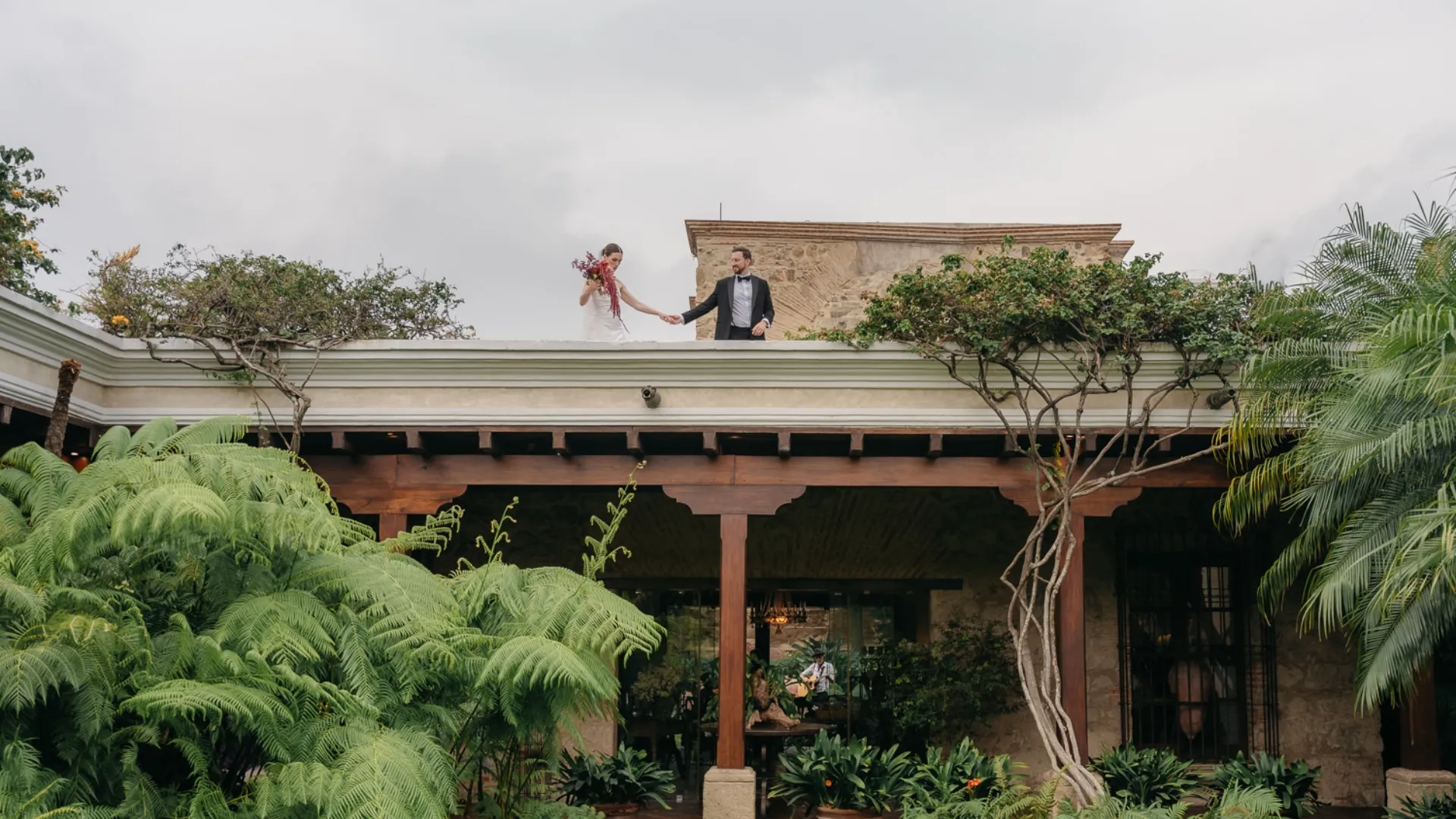
If you want to see what this looks like in practice, here is my wedding photography portfolio.
It’s curated to attract wedding clients, not to show every kind of image I’ve ever made.
That’s the mindset you want.
Your Goal for This Step
You are done when: someone can look at your work and feel confident hiring you for that exact type of shoot.
Step 5. Create a Simple Way for People to Find and Contact You
At this stage, your goal isn’t to build a perfect brand.
It’s to make it easy for someone to find you and contact you, so you can get real bookings and build your experience. And your income.
Website vs. Social Media
For addressing how people can easily find you, there are a few simple options:
- a basic website with your portfolio and contact information
- an Instagram account with clear examples of your work
- both, if you’re ready
You don’t need everything at once.
Many photographers book early clients through referrals, Instagram, and simple websites before they build anything more advanced.
What Your Setup Needs at Minimum
No matter which route you take, make sure you have:
- a clear description of what you offer
- examples of your work
- a simple way to contact you
That’s enough to start generating inquiries.
Your Website Doesn’t Need to Be Fancy
A lot of photographers delay launching because they think they need:
- a polished brand identity
- a custom-designed site
- a big blog
- advanced automation
You don’t. At the beginning, your website just needs to help someone do three things:
- understand what kind of photography you offer
- see that your work is good enough to trust
- contact you easily
That’s it.
Use Your Online Presence to Support the Business You Want
Your site and social profiles should support the kind of work you want to book.
That means:
- showing the right portfolio
- using language that fits your target client
- making your next step clear
If you’re building a family photography business, your online presence should feel like that.
If you want weddings, it should feel like weddings, and so on.
Keep the Inquiry Process Simple
Make it really easy for people to contact you.
Use:
- a short, simple contact form on your website
- DMs, if you are using social media actively
The goal is clarity and simplicity.
Be Bookable, Not Perfect
A common trap is waiting until everything looks polished.
But if someone can:
- see your work
- understand your offer
- reach out easily
you are already in a position to book clients. That matters more than having the perfect logo, colors, or site structure.
Your Goal for This Step
You are done when: a potential client can find you, understand what you offer, and contact you without confusion.

Step 6. Get Your First Photography Clients
Once you have a clear offer, a basic setup, and a small portfolio, the next goal is simple: Get in front of real people who might hire you.
Your first clients usually don’t come from a complicated funnel.
They come from straightforward outreach, local visibility, referrals, and a clear offer.
Start With the People Closest to You
In the beginning, your network matters a lot.
That doesn’t mean posting once that you started a business and hoping for the best.
It means clearly letting people know:
- what kind of photography you offer
- who it is for
- how to book with you
Friends, family, coworkers, past contacts, and local community connections can all help you build early momentum.
Use Simple, Direct Outreach
You don’t need to wait for people to discover you.
You can reach out directly to:
- people you already know
- local businesses
- venues or vendors in your niche
- people who are already connected to your target market
Keep it simple and light.
The goal isn’t to pitch aggressively. It’s to make people aware that you offer a specific service, so they can think of you if they ever need it (or if someone they know mentions needing it).
Treat Every Early Job Seriously
One of the best things you can do early on is act like every job matters. Because it does.
Even a small, discounted, or free shoot can lead to:
- a stronger portfolio
- a testimonial
- a referral
- another paid opportunity
That’s one reason professionalism matters so much when you are getting started.
People remember how you made them feel, how clearly you communicated, and whether you handled the job well.
Use Early Jobs to Build Momentum
Your first jobs do more than bring in money.
They help you:
- improve your process
- learn what clients actually care about
- build confidence through real experience
- create word of mouth
One real job usually teaches you more than weeks of preparing in private.
Make It Easy to Say Yes
In the beginning, clarity matters more than polish.
People are more likely to book when they understand:
- what you offer
- what it costs
- what happens next
Confusion kills early bookings. Simple offers and simple communication help people move forward.
Don’t Wait for Perfect
A lot of photographers delay this step because they want to feel more ready.
But confidence usually comes after you start doing the work.
You don’t need to feel fully established before trying to get clients. You need a clear offer, proof you can deliver, and a way to book.
Then you start.
Your Goal for This Step
You are done when: you are actively putting your work and offer in front of real people instead of only preparing behind the scenes.
5 Mistakes to Avoid When Starting a Photography Business
Most new photography businesses don’t struggle because the photographer lacks talent.
They struggle because the owner focuses on the wrong things at the wrong time.
Here are five of the most common mistakes to avoid.
1. Buying Too Much Gear Too Soon
You do not need a huge gear collection to start a photography business.
You need enough equipment to reliably do the kind of work you are offering.
Too many photographers delay progress by researching, upgrading, and buying when what they really need is:
- a clear offer
- practice in real shooting situations
- a better portfolio
Gear matters. But early on, it is usually not the main bottleneck.
2. Trying to Photograph Everything for Everyone
A general interest in photography is normal.
But a business needs a clearer focus. If your portfolio, messaging, and offer all point in different directions, it is harder for people to understand why they should hire you.
You don’t need to stay in one niche forever. But you do need enough focus to get traction.
3. Waiting Too Long to Build a Real Portfolio
Some photographers keep practicing without ever creating work that actually helps them get hired.
A business portfolio is different from a personal photo collection. It should show the type of work you want clients to pay you for.
That means building intentionally, not just hoping the right images happen over time.
4. Making Things Look Official Before Making Them Bookable
It is easy to spend weeks on:
- your logo
- brand colors
- website tweaks
- social media aesthetics
Those things do matter. But they can usually wait.
If people still can’t clearly understand your offer or contact you easily, they’re not the priority just yet.
5. Skipping Contracts, Deposits, and Basic Systems
Even early on, you need a basic process.
That includes:
- clear communication
- a contract
- a payment structure
- a simple workflow for inquiries and delivery
Without those basics, small problems can turn into bigger ones quickly.

What You Need to Start a Photography Business
A lot of new photographers assume starting a business requires a huge list of tools, software, and setup.
It doesn’t.
What you need depends on the type of photography business you are starting, but most people can begin with a much simpler setup than they think.

What You Need Right Away
To start taking paid work, you usually need:
- a camera and lens setup that can reliably handle the kind of work you offer
- a way to edit and deliver photos
- a small portfolio that shows the type of work you want to book
- a clear offer
- a way for people to contact you
- a contract and payment process
That’s the core.
What Can Wait Until Later
A lot of things are useful, but not urgent:
- multiple backup camera bodies
- lots of specialty lenses
- advanced CRM tools
- paid studio space
- complex automation
- extensive branding work
Those may become smart upgrades later. But they’re not usually what gets a business off the ground.
What About Startup Costs?
Startup costs vary a lot.
If you already own solid gear, your cost to start may be relatively low.
If you’re starting from scratch, your costs will be higher because you may need:
- camera gear
- editing software
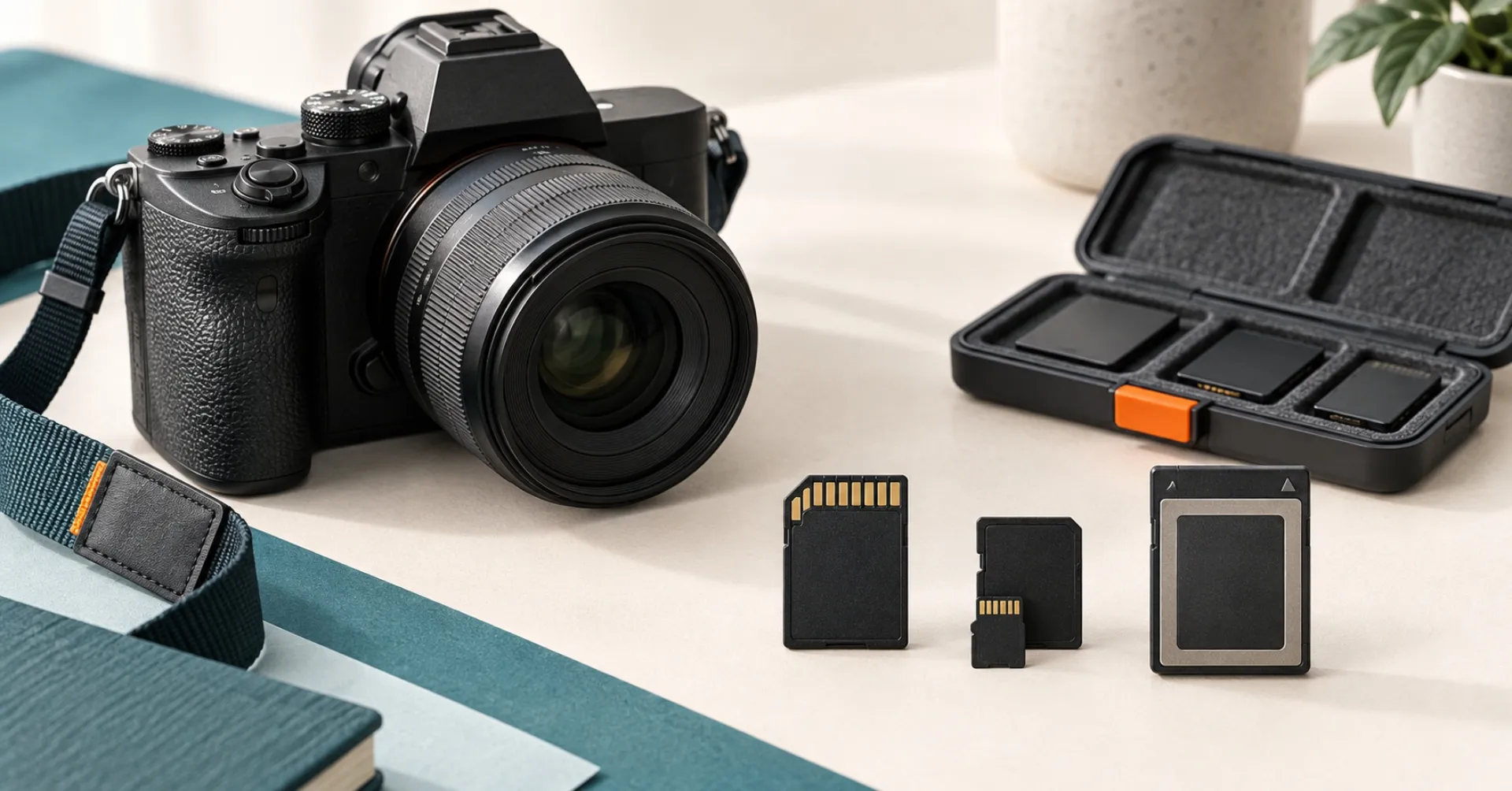
- storage and backup
- website or portfolio hosting
- contracts, payment tools, and other basic business expenses
The important question isn’t, “What is the perfect setup?”
It’s: What is the minimum setup I need to do good work and get paid for it?
Start With What You Have—If It Works
If the gear and software you already own are good enough to do the kind of paid work you want to offer, you can start now.
You don’t need to wait until you have the ideal camera, the perfect lens lineup, or a more professional-looking setup.
As the business grows, you can invest in better tools when real needs come up.
That’s a healthier way to build than buying a lot upfront because you think you are supposed to.
Think in Terms of Reliability, Not Status
At the beginning, your gear and tools need to do one thing well: help you deliver consistent results for clients.
That matters more than owning the newest camera, the most expensive lens, or the most polished software stack.
Going Deeper on Legal, Tax, and Business Planning Topics
This guide is meant to help you start a photography business in the broad, practical sense.
As you move forward, some topics deserve a deeper look.
If You’re Starting With No Experience
Some photographers are starting with strong skills but no business experience. Others are starting with almost no client experience at all.
If you’re still building your confidence, portfolio, and readiness to take paid work, read our guide on how to start a photography business with no experience.
If You Need Help With Legal Setup
Once you start taking the business seriously, legal setup becomes more important.
That includes questions like:
- do you need to register a business?
- what licenses or permits might apply?
- when should you formalize things?
For that, read our guide on how to start a photography business legally.
If You’re Choosing a Business Structure
If you are trying to decide between operating simply or creating a more formal business structure, go to our guide on photography LLC vs sole proprietor.
That page is where we go deeper on whether and when an LLC makes sense.
If You Need Help With Taxes
Taxes are part of running a real business, but they should not derail you before you even start.
Once you are earning income, read our guide on taxes for photographers so you understand what to track and what to expect.
If You Want a Real Business Plan
Most photographers will benefit from making a simple business plan, since it provides structure around goals, finances, and positioning.
If you need help making a simple plan, check out our photography business plan guide.
If You’re Starting a Wedding Photography Business Specifically
Wedding photography is its own path. It has different client expectations, portfolio requirements, and booking dynamics than photography businesses in general.
If that’s your direction, check out these resources:
- How to Become a Wedding Photographer—For the beginning of the journey
- How to Start a Wedding Photography Business—For when you know how to shoot and you’re ready to establish a real business
Starting a Photography Business FAQ
Here are some of the questions I see come up a lot around how to get a photography business started.
Do I need an LLC to start a photography business?
No. A lot of photographers start without forming an LLC right away. What matters most at the beginning is whether you can take paid work, use contracts, track your income, and handle the business responsibly.
As your business grows, an LLC may start to make more sense. If you want a deeper breakdown, read our guide on choosing between working as a photography LLC or sole proprietor.
Do I need a license to start a photography business?
Not always. The answer depends on where you live and how you are operating. Some photographers can start simply, especially early on, while others may need to register their business or meet local requirements.
If you want help sorting through that side of things, read our guide on how to start a photography business legally.
How much does it cost to start a photography business?
It depends on what you already own and what kind of photography business you want to start. If you already have usable gear, your startup costs may be fairly low. If you’re starting from scratch, you may need to budget for a camera, lens, editing software, storage, a website, contracts, and basic business tools.
The smartest question isn’t “What is the perfect setup?” It is “What is the minimum setup I need to do good work and get paid for it?”
[Want to estimate how much storage you actually need? Use our photo storage calculator to get an accurate number.]
Can I start a photography business with no experience?
Yes, but you need to be honest about what “starting” means. You don’t need years of professional experience to begin building a business. But you do need enough skill, enough proof, and enough professionalism to deliver the kind of work you are offering.
If you’re starting from a very early stage, our guide on how to start a photography business with no experience could be useful.
What equipment do I need to start a photography business?
You need enough equipment to reliably do the kind of work you plan to offer.
For most photographers, that means:
- a camera and lens setup that fits the job
- a way to edit and deliver images
- a backup and storage system
But you don’t need the most expensive gear. You need gear that helps you deliver consistent results for clients.
How do photographers get their first clients?
Most photographers get their first clients through simple, direct action:
- telling their network what they offer
- showing a clear portfolio
- reaching out to people or businesses in their market
- making it easy to inquire and book
Your first clients usually won’t come from advanced marketing tactics. They’ll come from clear offers, visible proof, and steady outreach.

 Español