

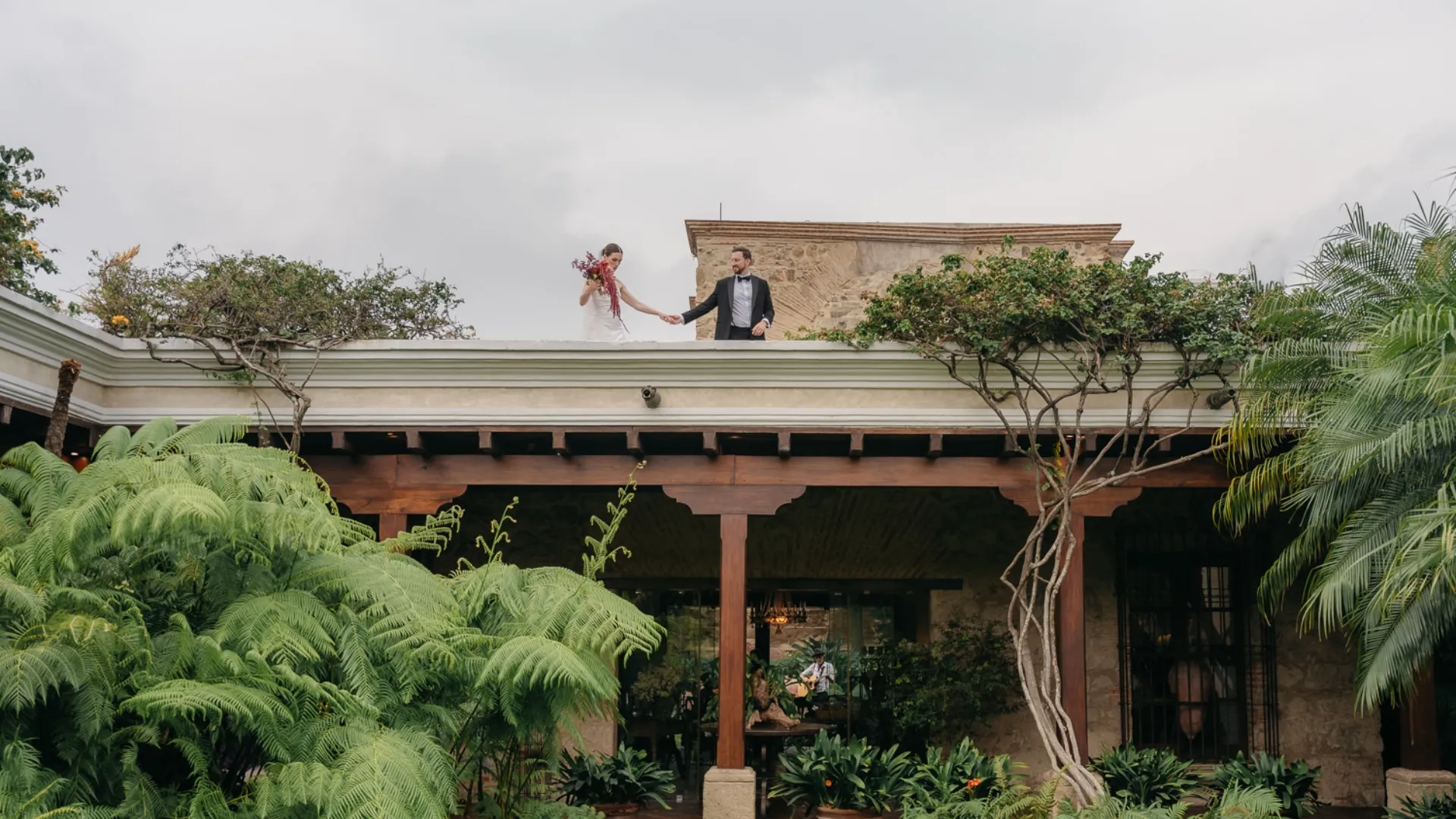
Photography by Daniel Lopez Perez


Family formals are the “everyone look at the camera” wedding family portraits—parents, siblings, grandparents, and a few meaningful groups the couple actually cares about.
Just want the template? Here you go:
- [PDF] Open the free fillable shot list template (opens in a new tab)
- [WORD DOC] Download the free editable shot list template
Family formals are also the part of the day where timelines fall apart, because the list gets too long, people wander, and nobody knows who’s supposed to be in the next photo.
This guide is only about family formals—here are some of the most important topics we cover:
→ Jump to: Free Wedding Family Photo Shot List Template
→ Jump to: Family Formals Timing Chart
→ Jump to: How to Run Formals Fast
(If you’re a couple who landed here: this guide explains how photographers organize family portraits efficiently so you spend less time waiting around and more time enjoying your wedding.)
Related Wedding Shot List Guides
Family formals are one part of a complete wedding photography coverage plan. Start with the full shot list, then explore the guides photographers most often use when organizing portraits and photographing the rest of the wedding day.
| If you’re planning… | Start here |
|---|---|
| The complete wedding day | Wedding Shot List |
| Wedding party photos | Wedding Party Photos |
| Large wedding group photos | Wedding Group Photos |
| Wedding reception coverage | Wedding Reception Photos |

Free Wedding Family Photo Shot List Template
Use this free wedding family photo shot list template to record names, prioritize groupings, and organize the shooting order. Customize it with the couple before the wedding, then share the approved list with your family-photo wranglers.
- [PDF] Open the free fillable shot list template (opens in a new tab)
- [WORD DOC] Download the free editable shot list template
Paste this into your planning doc and delete what doesn’t apply.
Before you send it to the couple, I recommend two quick upgrades:
- Replace “parents/siblings” labels with actual names.
- Confirm any sensitive dynamics in advance (divorced parents, remarriages, people who shouldn’t be grouped together).
Quick definition: A “wrangler” is a wedding guest the couple assigns (one per side) who knows names and relationships. Their job is to gather the next group while you shoot the current one.
Partner A Side (Copy/Paste)
- Couple + Partner A Parents
- Couple + Partner A Immediate Family (Parents + Siblings)
- Couple + Partner A Siblings (Add partners if requested)
- Couple + Partner A Grandparents
- Partner A + Parents (No Partner B)
- Partner A + Immediate Family (No Partner B)
Partner B Side (Copy/Paste)
- Couple + Partner B Parents
- Couple + Partner B Immediate Family (Parents + Siblings)
- Couple + Partner B Siblings (Add partners if requested)
- Couple + Partner B Grandparents
- Partner B + Parents (No Partner A)
- Partner B + Immediate Family (No Partner A)
Both Sides (Copy/Paste)
- Couple + Both Sets of Parents
- Couple + Immediate Family (Both Sides)
- Couple + Grandparents (Both Sides)
- Couple + Full Family Group (Only if explicitly requested and timeline supports it)
Special Groups (Fill In What Applies)
- Couple + Step-Parents: __________
- Partner A + Step-Parent(s): __________
- Partner B + Step-Parent(s): __________
- Couple + Blended Family Grouping: __________
- Couple + Chosen Family Grouping: __________
- Any “must-have” group the couple requests: __________

Wedding questionnaires are the easiest way to make family formals smooth.
Use a wedding questionnaire to collect family-photo preferences and sensitive details in advance, then use the shot list above to record the names in each grouping. Our wedding questionnaire guide includes a free adaptable template and Dani’s original questionnaire.
Family Formals Timing Chart (So Your Timeline Doesn’t Explode)
Family formals almost always take longer than photographers expect—not because taking the photo is slow, but because finding people and swapping groups takes time.
Here’s the simplest way to plan it:
- Assume about 2–3 minutes per grouping once you’re rolling.
- Add buffer for kids, mobility needs, sensitive dynamics, or multiple “branches” of family.
- If you want lots of groupings, the timeline has to reflect it (or the list has to shrink).
[Need help with timing the day? Check out our guide on wedding photography timelines]
Family Formals Time Budget
| Number of Groupings | Estimated Time | Notes |
|---|---|---|
| 6–10 | 10–20 minutes | Immediate family only, strong wrangler, one location. |
| 11–15 | 20–30 minutes | Sweet spot for most weddings: parents, siblings, grandparents, a couple special groups. |
| 16–20 | 30–45 minutes | Efficiency matters. You need names, a strict order, and wranglers who actually wrangle. |
| 21–30 | 45–60 minutes | This is a timeline decision. Expect delays unless the couple is fully bought in on speed. |
| 30+ | 60–90+ minutes | Almost always too long without adding time (or splitting formals across multiple blocks). |
These are rough estimates.
Add extra time if people are missing, kids are melting down, older guests need seating, or there are sensitive family dynamics.
Things that Slow Family Formals Down
- People wandering to the bar/bathroom/cocktail hour the second the ceremony ends
- Groupings written as relationships instead of names (“Bride’s aunt” is not helpful in the moment)
- Switching locations (walking time + re-gathering)
- Kids (you get a short window—have the next group ready before they lose patience)
- Mobility needs (seat grandparents first; don’t keep elders standing)
- Sensitive dynamics (you’ll lose time if the couple hasn’t decided groupings in advance)
[Need help with prompting? Here’s my list of 30 go-to prompts.]
How Many Groupings Is Too Many?
A good default is 10–15 groupings. Once you push past 20, it usually becomes a timeline problem unless you’ve added time on purpose.
If the couple wants “everyone with everyone,” I recommend this rule:
- Keep immediate family and grandparents.
- Add only the special groups they truly care about.
- Cut extended-family combinations first (cousins, big aunt/uncle branches, multiple versions of the same group).

Build Your Family Formals List The Right Way
The fastest family formals are the ones that are built like a system, not a brainstorm. Your goal is a list that’s meaningful, realistic, and easy to run without stopping every two minutes to ask, “Who’s next?”
The Method: Immediate Family → Outward
Use this order to build a list that stays clean:
- Start with the couple + both sets of parents.
- Then do each side’s immediate family (parents + siblings).
- Then add grandparents (only if they’re present and it matters to the couple).
- Then add special groups (step-parents, blended family, chosen family) only if requested.
This is the order for choosing your groupings, not necessarily photographing them. Once the list is approved, arrange the shooting order to minimize regrouping and accommodate anyone who needs to finish early.
Decide “With Couple” vs. “Without Couple” Up Front
A lot of time gets wasted when you realize mid-formals the couple wants both versions.
- Default: most groupings are with the couple.
- Common add-ons: Partner A with their immediate family (no Partner B), Partner B with their immediate family (no Partner A).
- If the couple wants “just parents” without them, list it explicitly.

Use Names, Not Relationships
This is the difference between a smooth 20 minutes and a chaotic 45.
- Write “Couple + Maria + James” instead of “Couple + Bride’s Parents.”
- If there are step-parents or sensitive dynamics, names prevent awkward guesses in the moment.
- Wranglers can move faster when they’re looking for names, not roles.
Use the same fields for each grouping:
- Group: [GROUP NAME]
- People: [ACTUAL NAMES]
- Priority: [ESSENTIAL / OPTIONAL]
- Shooting order: [NUMBER]
- Practical notes: [SEATING, ACCESS, OR EARLY DEPARTURE]
Keep sensitive relationship details on your private planning sheet, not the list shared with guests.
Keep The Two Sides Organized
Unless the timeline or location forces you to mix, it’s usually faster to run one side, then the other.
- It reduces wandering (“I thought we were done”).
- Wranglers can focus on one branch at a time.
- You’ll spend less time re-gathering the same people.
When The List Gets Too Long, Cut This First
If you need to shrink the list without losing what matters:
- Cut extended-family combinations first (cousins, big aunt/uncle branches, “everyone on this side”).
- Keep parents, siblings, grandparents, and any special groups the couple specifically cares about.
- If the couple wants a huge full-family photo, make it one grouping—not five variations.

How To Run Family Formals Fast (Without Chaos)
Family formals run smoothly when you treat them like a short production line: one list, one order, one location, and someone else responsible for finding people while you shoot.
Before The Ceremony Ends, Set Yourself Up
Do these three things before everyone scatters:
- Choose one spot for formals (clean background, decent light, enough room).
- Confirm the wranglers (one per side) and make sure they have the list on their phone.
- Decide the exact order you’re running the groups.
Assign Wranglers (This Is The Whole Game)
Wranglers make formals fast because you stop doing two jobs at once.
- One wrangler per side who knows names and relationships.
- Wranglers gather the next group while you’re photographing the current one.
- Wranglers should call names, not you. You should be shooting and directing.
If you need a clean list to hand them, build it from the Copy/Paste Family Formals Template.
Shoot In A “Drop-Out” Order
The easiest way to keep momentum is to start big and remove people as you go.
- Start with a larger group (couple + parents, or couple + immediate family).
- Then remove people to create smaller groups (couple + each set of parents, couple + siblings, etc.).
- Try not to rebuild groups from scratch more than necessary.
Keep It In One Location
Switching locations is where you lose time twice: walking time, then re-gathering time.
- Pick one background and commit.
- If you need a second look, do it only after you’ve finished the must-haves.
- Control the frame: move clutter, shift a step, simplify the background.
Plan for Children and Access Needs
Ask privately whether anyone needs seating, a route without steps, or less time standing. Access needs can apply at any age; confirm practical preferences without asking for medical details.
- Choose a portrait location everyone in the group can reach comfortably.
- Have seating available for anyone who wants it, including between groupings.
- Arrange the order to reduce repeated movement and finish early for anyone who needs to leave.
- Photograph groups with young children early, and have the next group ready before calling people in.

What To Do When Someone Is Missing
Missing people are the most common reason formals drag.
- Don’t stall the line. Move to the next grouping.
- Circle back once at the end for any “missing person” groupings.
- If the list is long, be willing to drop the least important groupings.
Two Scripts That Keep Things Moving
You don’t need to be rude. You just need to be clear.
- “If you’ve finished all the photos you’re listed in, you’re free to head to cocktail hour. Otherwise, please stay nearby so we can call your next group.”
- “We’re going to move fast—wranglers have the list. If you’re in the next group, come stand right here.”
Common Family Situations To Plan For
Family formals get awkward when photographers guess relationships.
The fix is simple: let the couple decide groupings in advance, then you execute the plan day-of.
Divorced Parents
The most common issue is assuming “parents” means two people standing together.
- Ask the couple if they want parent photos together or separately.
- If it’s sensitive, build separate groupings (Partner A + mom, Partner A + dad) and keep the order tight.
- Don’t announce context out loud. Just call names for the next group.
For example, if the couple requests separate parent photos, the list might include:
- Couple + [PARENT 1 NAME]
- Couple + [PARENT 2 NAME]
- Partner A + [PARENT 1 NAME]
- Partner A + [PARENT 2 NAME]
Include a combined parent photo or groupings with their partners only if the couple wants them. These are options to choose from, not four additional required photos.
Remarried Parents And Step-Parents
Step-parents can be deeply important—or not part of the formals at all.
Don’t guess.
- Clarify what “parents” means for each side (biological parents, step-parents, or both).
- Add step-parent groupings intentionally instead of folding them into every photo automatically.
- If there are multiple step-parents, decide whether you’re doing one combined group or separate photos.
Blended Families
Blended family formals work best when you define groups by the relationships the couple actually wants represented.
- Ask: “Are there any blended family groupings that matter most to you?”
- Build one or two “must-have” blended groups instead of trying every combination.
- If kids are involved, do those groupings early.
Chosen Family
Close friends, guardians, or other important people may belong in the family formals.
Ask the couple who they want included rather than assuming relationships from surnames or family labels.
- Record the names and exact groupings the couple requests.
- Give these groups essential or optional priority according to the couple’s wishes.
- Include them in the planned shooting order so they aren’t left as an afterthought.
Sensitive Dynamics Or Estrangement
If there are people who shouldn’t be grouped together, you need to know before the wedding day.
- Collect this privately in advance (a questionnaire makes this much easier).
- Let the couple choose the exact groupings and order. Your job is to run the list, not mediate.
- Keep transitions fast so nobody is standing around waiting in an awkward cluster.
Two Questions That Prevent Most Problems
- “For parent photos, do you want any step-parents included? If yes, which groupings matter most?”
- “Are there any pairings we should avoid during formals?”
Family Formals FAQ
Here are answers to the questions I see come up a lot around family formals at weddings.
When Should We Do Family Formals?
Family formals can happen before or after the ceremony.
With a first look, you can photograph groupings with both partners beforehand if everyone needed arrives early. Without one, photograph those groupings immediately after the ceremony. Separate photos with each partner’s family can still happen beforehand. Confirm the schedule in advance and leave a buffer before the ceremony.
How Many Family Formal Groupings Do We Need?
A good default is 10–15 groupings: parents, siblings, grandparents, and a couple special groups that actually matter to the couple. Once you go past 20 groupings, it usually becomes a timeline decision.
How Long Do Family Formals Take?
Use the timing chart above as a planning baseline. The photo-taking is quick; the delays come from finding people and swapping groups. If the list is long, the timeline needs to reflect that reality.
Do We Need Separate Lists For Each Side?
Yes, it helps. Keeping each side organized (and using names) reduces wandering and makes wrangling faster. You can still include a few “both sides” groups, but don’t mix everything randomly unless your location forces it.
What If Someone Is Missing?
Don’t stall the line. Move to the next grouping and circle back once at the end for any “missing person” photos. If time runs tight, drop the least important groupings first.
What If The Couple Wants “Everyone With Everyone”?
Treat it like a timeline tradeoff. Keep immediate family and grandparents, then add only the special groups they truly care about. If they want a big full-family photo, make it one grouping—not five variations.
Should We Include Partners In Every Photo?
Not automatically. Ask the couple where partners matter most (usually sibling photos), then keep the rest clean so the list doesn’t balloon.
What’s The Best Way To Collect Names And Groupings?
Collect it early with a questionnaire so you’re not doing it in a week-of email chain. Here’s the actual questionnaire I use with clients and you can learn more about wedding questionnaires in this article.



 Español