

Photography by Daniel Lopez Perez


¿Quieres un plan paso a paso para iniciar un negocio de fotografía?
We’ve got you covered. This guide walks you through the exact process to get started, all the way from choosing a niche to getting your first clients.
Get on Instagram. Do SEO. Get referrals. Build your portfolio. Make an LLC—or maybe work as a sole proprietor.
Sound familiar?
When you first start looking into starting a photography business, the advice can feel jumbled. And overwhelming.
But starting a photography business isn’t about doing everything at once.
It’s about doing the right things in the right order.
Most people get stuck because they’re trying to solve three different problems at the same time:
- aprendizaje de fotografía
- construir un negocio
- Intentando parecer profesional
This guide separates those out, giving you a clear path to follow.
When I first started doing wedding photography work, I was excited just to get paid at all to do photography. Over time, I’ve built that work into a six-figure business. (Aquí está mi sitio web.)
Cometí muchos errores a lo largo del camino. Y compartiré contigo esas dificultades en esta guía, junto con el proceso paso a paso que desearía haber tenido cuando empecé.
Related Photography Business Guides
Starting a photography business isn’t one decision—it’s a series of them. These guides will help you explore the kind of photography work you want to pursue and build your business in the right order, from getting started to choosing a business structure and handling the legal and financial details.
| Siguiente paso | Guide |
|---|---|
| Explore photography careers and ways to earn money | 70+ Photography Careers and Jobs to Explore |
| Start with no photography experience | Cómo montar un negocio de fotografía sin experiencia |
| Create a simple business plan | Photography Business Plan |
| Set up your business legally | Cómo crear legalmente una empresa de fotografía |
| Choose a business structure | Photography LLC or Sole Proprietor |
| Constituir una SRL | Photography LLC |
| Understand your tax responsibilities | Impuestos para fotógrafos |
6 Steps to Start Your Photography Business
Here’s the roadmap we cover in this guide:Photography Business Roadmap
| Paso | Lo que harás |
|---|---|
| Primer paso | Decide what kind of photography business you’re starting |
| Paso 2 | Crea una oferta sencilla que la gente pueda reservar |
| Paso 3 | Establecer la base del negocio |
| Paso 4 | Crea un pequeño portafolio que demuestre que puedes cumplir. |
| Paso 5 | Crea una forma sencilla para que la gente te encuentre y se ponga en contacto contigo |
| Paso 6 | Consigue tus primeros clientes que paguen |

Paso 1. Decide qué tipo de negocio de fotografía vas a iniciar
Antes de que pienses en el equipo, los precios o un sitio web, necesitas responder una pregunta:
¿Por qué tipo de fotografía la gente te va a pagar?
This is where most new photographers get stuck.
They try to build a business around photography in general.
That doesn’t work, because a business is built around a specific type of client with a specific need.
Escoge un mercado, no solo una pasión
Empieza pensando en quién contrata fotógrafos:
- parejas
- familias
- empresas locales
- agentes inmobiliarios
- marcas y empresas
- organizadores de eventos
Each of these is a different business.
They find photographers differently, value different things, and pay differently.
You don’t need to pick your forever niche.
You just need to pick a starting point you can realistically get work in.
Usa este filtro simple para elegir una dirección
Un buen nicho de inicio suele estar en la intersección de tres cosas:
- ¿Qué te gusta fotografiar?
- en qué eres bueno disparando, o en qué puedes llegar a ser bueno rápidamente
- lo que la gente realmente paga en tu mercado
That third one matters a lot.
If there’s strong demand where you live for family sessions, real estate listings, headshots, or local commercial work, pay attention to that.
Elige una dirección en la que puedas entrar
Un buen nicho para empezar suele tener:
- demanda clara en tu área
- clientes que pagan regularmente por fotografía
- un camino realista para obtener tus primeros brotes
Por ejemplo:
- Las sesiones familiares suelen ser más fáciles de iniciar localmente
- La fotografía inmobiliaria puede ofrecer una demanda clara y trabajo repetitivo
- Las bodas pueden pagar bien, pero suelen ser más difíciles de acceder sin experiencia.
You’re not locking yourself in.
You’re choosing a lane to get moving.
Trabajo basado en servicios vs. trabajo basado en productos
La mayoría de los principiantes deberían comenzar con fotografía de servicios:
- te contratan para filmar algo específico
- entregas imágenes
- Te pagan por trabajo
Product-based paths like prints, art sales, and stock photography can work, but they usually take longer to turn into dependable income.
If your goal is to start a business, service-based work is usually the faster path.
Don’t Overcomplicate This Step
You don’t need:
- una declaración de nicho perfecta
- una identidad de marca
- una estrategia a largo plazo
You just need to answer this question: ¿Por quién estoy intentando cobrar primero?
Once that’s clear, everything else gets easier.

Step 2. Create a Simple Offer People Can Book
Una vez que sepas qué tipo de negocio de fotografía estás empezando, el siguiente paso es simple: Ofrezco mis servicios de redacción, traducción y edición de textos.
This is where a lot of new photographers get stuck.
They spend time on branding, logos, and websites, but never clearly define what they’re selling.
A business starts when there is an offer.
Lo que tu primera oferta necesita
Your starter offer should be simple and easy to understand.
If someone lands on your website, they should understand what you do in less than 10 seconds.
Your offer should answer a few basic questions:
- ¿Qué estás filmando?
- ¿Para quién es?
- ¿qué obtiene el cliente?
- ¿Cuánto cuesta?
Por ejemplo:
- Sesión familiar de 1 hora con 20 imágenes editadas
- paquete de fotografía inmobiliaria para propiedades de menos de 3,000 pies cuadrados
- 2 horas de cobertura del evento con entrega de galería digital
Es suficiente para empezar.
Mantén tus paquetes sencillos
You don’t need a full pricing page with multiple tiers. Start with:
- una oferta principal
- opcionalmente, una versión mejorada
Too many choices slow people down. Simple offers get booked faster.
I like to offer three packages—a base, a ‘most popular’, and a premium. Learn more about how I organize my packages.
Pricing Matters, But It Doesn’t Have to Be Perfect
At the beginning, your goal is not perfect pricing.
It’s getting real clients and real experience.
A simple approach is to:
- cobrar lo suficiente para que valga la pena el trabajo
- mantén los precios claros y fáciles de entender
- Espera ajustarte después de tus primeros trabajos
You can refine pricing later. You can’t refine an offer that no one is booking.
You Don’t Need a Full Business Plan to Start
Some photographers benefit from writing out a plan before they begin. Others need something much lighter.
If you’re just getting started, your first plan can be simple:
- lo que ofreces
- para quién es
- cuánto cobrarás
- Cómo conseguir tus primeros clientes
That alone can help you make better decisions.
You don’t need to build a giant document before you start taking action.
But it’s worth taking a little time to think through the shape of the business you are trying to build.
If you want a more structured version of that process, here’s our guide on creating a simple photography business plan.
What to Do Before Raising Prices
Antes de empezar a aumentar tus tarifas, asegúrate de que tu oferta incluya:
- un alcance de trabajo claro
- un proceso simple desde la consulta hasta la entrega
- resultados consistentes que puedas mostrar en tu portafolio
That’s what makes higher pricing possible later.
Tu objetivo para este paso
Has terminado cuando puedas decir: Esto es exactamente lo que ofrezco, y alguien podría reservar hoy mismo.
Step 3. Set Up the Basic Business Foundation
At this stage, you don’t need a fully built-out business.
You need a minimum viable setup—just enough to take paid work in a way that is organized, credible, and safe.
Comienza con lo básico.
Focus on a simple, practical setup:
- un nombre comercial, incluso si es solo tu propio nombre
- una dirección de correo electrónico dedicada
- una forma de hacer seguimiento de consultas y reservas
- un sistema básico para facturas y pagos
This’s what lets you operate like a real business.
Keep It Practical
Mucha de la asesoría para fotógrafos dice que necesitas hacer todo de inmediato:
- registrar un negocio
- constituir una LLC
- comprar seguro
- configurar todos los sistemas de administración inmediatamente
Some of those things are important. But not all of them are urgent on day one.
At the beginning, the main questions are:
- ¿Alguien puede contratarte?
- ¿puedes entregar el trabajo?
- ¿puedes recibir un pago?
Si la respuesta es sí, tienes los cimientos de un negocio real.
What Actually Matters
Hay algunas cosas que vale la pena tomarse en serio desde el principio:
- seguimiento de tus ingresos y gastos
- entendiendo que tendrás que pagar impuestos sobre lo que ganes
- usando un contrato básico
- tener una estructura de pagos clara
Those things are practical. They’re not meant to make your business look official, but to make it function better.
Los contratos y seguros merecen ser tomados en serio
If you are taking paid work, use a contract. This advice applies even if you’re still new to selling photography work.
A contract helps clarify expectations, protect both sides, and reduce the chance of misunderstandings.
Insurance is also a smart idea, especially once you’re shooting events, working in client spaces, or using more expensive gear.
You don’t need every possible layer of protection right away.
But contracts and insurance are two things that become valuable really fast when something goes wrong.
¿Necesitas registrar tu negocio de fotografía de inmediato?
Not always.
A lot of photographers assume they need to formally register a business before they can do any work.
But that’s not necessarily true.
In many cases, especially early on, you may be able to operate simply using your own name while you validate the business and start getting paid work.
As the business grows, you can formalize more of the setup.
For a deeper breakdown of that process, read our guide on cómo montar un negocio de fotografía legalmente.
Cuándo profundizar en las LLC y los impuestos
As your business becomes more established, questions about business structure and taxes become more important.
That’s when you should go deeper on topics like:
- si quedarse como propietario único o formar una LLC
- Cómo separar las finanzas personales y empresariales
- qué rastrear para los impuestos
- cuando una configuración más formal empieza a tener sentido
Para obtener ayuda con esos temas, consulta:
- Photography LLC vs. Sole Proprietor: How to Choose
- How to Set Up a Photography LLC
- Impuestos para fotógrafos
Tu objetivo para este paso
Has terminado cuando:
- alguien puede contactarte
- Puedes reservar el trabajo
- puedes entregar el trabajo
- Puedes cobrar limpiamente
That’s a real business. Everything else builds on top of it.
Paso 4. Construye un pequeño portafolio que demuestre que puedes entregar
You don’t need a massive portfolio to start a photography business.
You just need a small set of images that clearly show what you can do.
Eso es todo.
Cómo luce un “Portafolio Suficiente”
Una cartera inicial sólida generalmente significa:
- 10-20 imágenes sólidas
- estilo y calidad consistentes
- ejemplos que coinciden con el tipo de trabajo que quieres conseguir
If you want to shoot families, show families.
If you want to shoot real estate, show homes.
If you want to shoot weddings, show weddings.
Your portfolio should make it obvious what you are offering.

La calidad importa más que la cantidad
One of the easiest mistakes to make is showing too much work.
A portfolio with 15 strong images is usually more effective than one with 100 mixed-quality images.
Curation matters.
Clients aren’t looking for volume. They’re looking for confidence that you can deliver the kind of images they need.
Crea Trabajo de Portafolio Intencionalmente
Don’t wait for perfect paid opportunities. Create them.
You can:
- ofrecer sesiones gratuitas o con descuento
- fotografiar amigos o familiares
- colaborar con negocios locales
- organizar sesiones de fotos estilizadas o de práctica
The goal is not to practice randomly.
It’s to create usable examples that help you get hired.
Muestra el trabajo que quieres ver más
Muchos fotógrafos nuevos cometen el error de mostrarlo todo:
- algunos retratos
- algunos paisajes
- un acontecimiento aleatorio
- algunas fotos de viaje
That usually makes your portfolio weaker, not stronger.
Your portfolio should answer this question for the client: ¿Es este fotógrafo la persona adecuada para lo que necesito?
That’s why it’s usually better to build different portfolios for different types of work instead of mixing everything together.
Usa ejemplos reales como comprobación de instinto
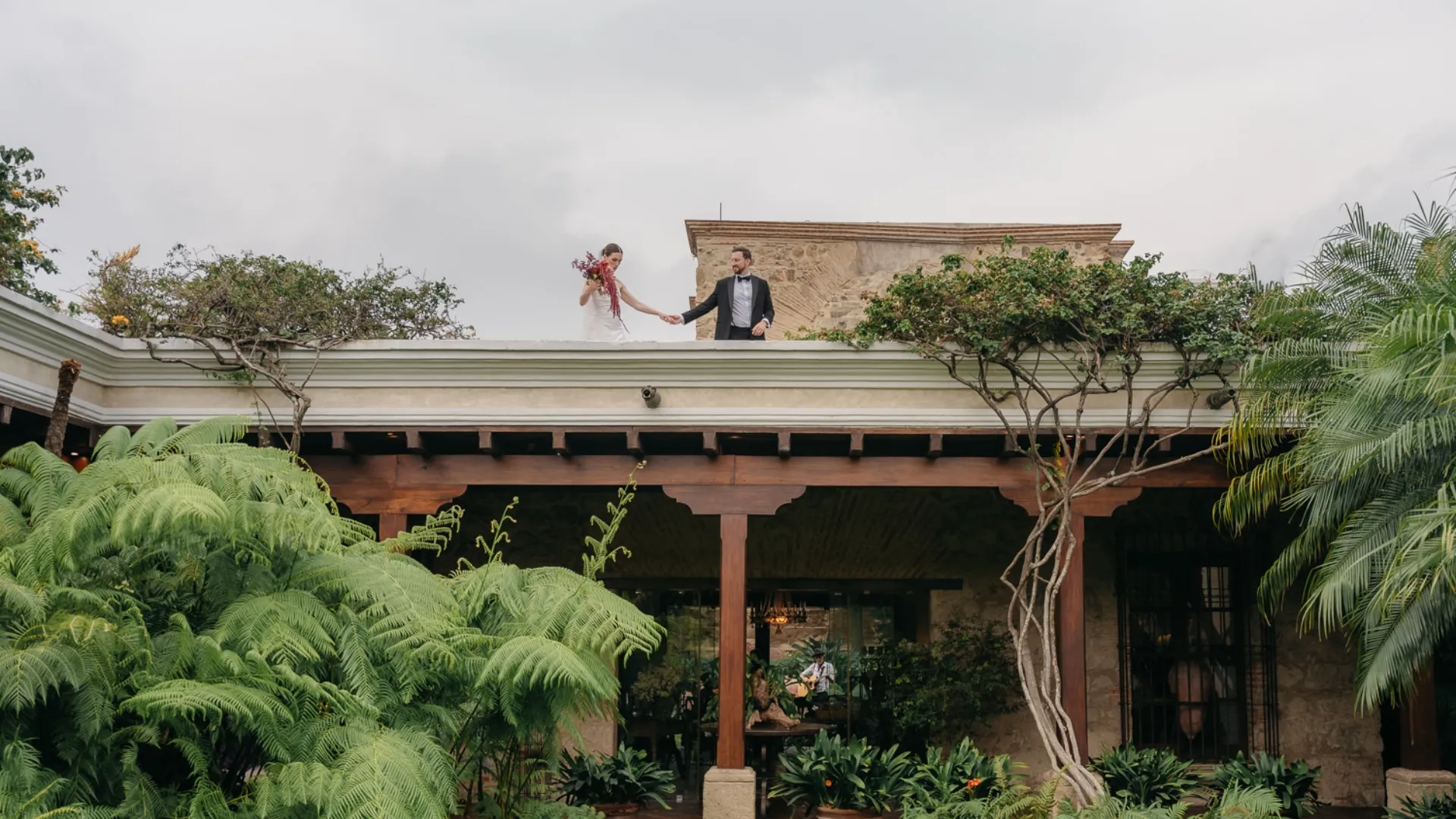
Si quieres ver cómo se ve esto en la práctica, aquí está mi portafolio de fotografía de bodas.
It’s curated to attract wedding clients, not to show every kind of image I’ve ever made.
That’s the mindset you want.
Tu objetivo para este paso
Has terminado cuando: alguien puede ver tu trabajo y sentirse seguro de contratarte para ese tipo exacto de sesión.
Step 5. Create a Simple Way for People to Find and Contact You
At this stage, your goal isn’t to build a perfect brand.
It’s to make it easy for someone to find you and contact you, so you can get real bookings and build your experience. And your income.
Sitio web vs. redes sociales
For addressing how people can easily find you, there are a few simple options:
- un sitio web básico con tu portafolio e información de contacto
- una cuenta de Instagram con ejemplos claros de su trabajo
- both, if you’re ready
You don’t need everything at once.
Many photographers book early clients through referrals, Instagram, and simple websites before they build anything more advanced.
Lo que tu configuración necesita como mínimo
No importa qué ruta tomes, asegúrate de tener:
- una descripción clara de lo que ofreces
- ejemplos de tu trabajo
- una forma sencilla de contactarte
That’s enough to start generating inquiries.
Your Website Doesn’t Need to Be Fancy
Muchos fotógrafos posponen el lanzamiento porque creen que necesitan:
- una identidad de marca pulida
- un sitio web diseñado a medida
- un gran blog
- automatización avanzada
You don’t. At the beginning, your website just needs to help someone do three things:
- entender qué tipo de fotografía ofreces
- Ver que tu trabajo es lo suficientemente bueno como para confiar en él
- contactarte fácilmente
Ya está.
Usa tu presencia en línea para apoyar el negocio que deseas
Your site and social profiles should support the kind of work you want to book.
That means:
- mostrando el portafolio correcto
- usando un lenguaje que se ajuste a su cliente objetivo
- dejando claro tu próximo paso
If you’re building a family photography business, your online presence should feel like that.
If you want weddings, it should feel like weddings, and so on.
Mantén simple el proceso de consulta
Make it really easy for people to contact you.
Úsalo:
- a short, simple contact form on your website
- Si eres DM y usas activamente las redes sociales
The goal is clarity and simplicity.
Sé reservable, no perfecto
A common trap is waiting until everything looks polished.
But if someone can:
- ver tu trabajo
- comprender tu oferta
- comunícate fácilmente
you are already in a position to book clients. That matters more than having the perfect logo, colors, or site structure.
Tu objetivo para este paso
Has terminado cuando: un cliente potencial puede encontrarte, entender lo que ofreces y contactarte sin confusiones.

Paso 6. Consigue tus primeros clientes de fotografía
Una vez que tengas una oferta clara, una configuración básica y un portafolio pequeño, el próximo objetivo es simple: Preséntate ante personas reales que podrían contratarte.
Your first clients usually don’t come from a complicated funnel.
They come from straightforward outreach, local visibility, referrals, and a clear offer.
Empieza con las personas más cercanas a ti
In the beginning, your network matters a lot.
That doesn’t mean posting once that you started a business and hoping for the best.
It means clearly letting people know:
- ¿Qué tipo de fotografía ofreces?
- para quién es
- Cómo reservar contigo
Amigos, familiares, compañeros de trabajo, contactos pasados y conexiones de la comunidad local pueden ayudarte a generar un impulso inicial.
Usa un Contacto Sencillo y Directo
You don’t need to wait for people to discover you.
You can reach out directly to:
- gente que ya conoces
- empresas locales
- lugares o proveedores en tu nicho
- personas que ya están conectadas a tu mercado objetivo
Keep it simple and light.
The goal isn’t to pitch aggressively. It’s to make people aware that you offer a specific service, so they can think of you if they ever need it (or if someone they know mentions needing it).
Trata cada trabajo temprano con seriedad
One of the best things you can do early on is act like every job matters. Because it does.
Even a small, discounted, or free shoot can lead to:
- una cartera más sólida
- un testimonio
- una referencia
- otra oportunidad pagada
That’s one reason professionalism matters so much when you are getting started.
People remember how you made them feel, how clearly you communicated, and whether you handled the job well.
Usa trabajos tempranos para generar impulso
Your first jobs do more than bring in money.
They help you:
- mejora tu proceso
- aprende lo que realmente les importa a los clientes
- desarrollar confianza a través de la experiencia real
- crear boca a boca
One real job usually teaches you more than weeks of preparing in private.
Hazlo fácil decir sí
In the beginning, clarity matters more than polish.
People are more likely to book when they understand:
- lo que usted ofrece
- lo que cuesta
- ¿Qué pasa después?
La confusión mata las reservas anticipadas. Las ofertas sencillas y la comunicación clara ayudan a las personas a avanzar.
Don’t Wait for Perfect
A lot of photographers delay this step because they want to feel more ready.
But confidence usually comes after you start doing the work.
You don’t need to feel fully established before trying to get clients. You need a clear offer, proof you can deliver, and a way to book.
Then you start.
Tu objetivo para este paso
Has terminado cuando: estás poniendo activamente tu trabajo y tu oferta frente a personas reales en lugar de solo prepararte tras bambalinas.
5 Mistakes to Avoid When Starting a Photography Business
Most new photography businesses don’t struggle because the photographer lacks talent.
They struggle because the owner focuses on the wrong things at the wrong time.
Here are five of the most common mistakes to avoid.
1. Buying Too Much Gear Too Soon
You do not need a huge gear collection to start a photography business.
You need enough equipment to reliably do the kind of work you are offering.
Too many photographers delay progress by researching, upgrading, and buying when what they really need is:
- una oferta clara
- práctica en situaciones de tiro real
- una mejor cartera
El equipo es importante. Pero al principio no suele ser el principal obstáculo.
2. Trying to Photograph Everything for Everyone
A general interest in photography is normal.
But a business needs a clearer focus. If your portfolio, messaging, and offer all point in different directions, it is harder for people to understand why they should hire you.
You don’t need to stay in one niche forever. But you do need enough focus to get traction.
3. Waiting Too Long to Build a Real Portfolio
Some photographers keep practicing without ever creating work that actually helps them get hired.
A business portfolio is different from a personal photo collection. It should show the type of work you want clients to pay you for.
That means building intentionally, not just hoping the right images happen over time.
4. Making Things Look Official Before Making Them Bookable
Es fácil pasar semanas en:
- tu logo
- colores de marca
- modificaciones del sitio web
- estéticas de redes sociales
Those things do matter. But they can usually wait.
If people still can’t clearly understand your offer or contact you easily, they’re not the priority just yet.
5. Skipping Contracts, Deposits, and Basic Systems
Even early on, you need a basic process.
That includes:
- comunicación clara
- un contrato
- una estructura de pagos
- un flujo de trabajo simple para consultas y entregas
Without those basics, small problems can turn into bigger ones quickly.

What You Need to Start a Photography Business
A lot of new photographers assume starting a business requires a huge list of tools, software, and setup.
No lo hace.
What you need depends on the type of photography business you are starting, but most people can begin with a much simpler setup than they think.

Lo que necesitas de inmediato
Para empezar a tomar trabajos remunerados, normalmente necesitas:
- una configuración de cámara y lente que pueda manejar de manera confiable el tipo de trabajo que usted ofrece
- una forma de editar y entregar fotos
- Una pequeña cartera que muestre el tipo de trabajo que deseas contratar.
- una oferta clara
- una forma de que la gente se ponga en contacto con usted
- un contrato y proceso de pago
Ese es el núcleo.
Qué puede esperar hasta más tarde
Muchas cosas son útiles, pero no urgentes:
- múltiples cuerpos de cámara de respaldo
- muchas lentes especiales
- herramientas avanzadas de CRM
- espacio de estudio de pago
- automatización compleja
- extenso trabajo de marca
Those may become smart upgrades later. But they’re not usually what gets a business off the ground.
¿Qué hay de los costos de puesta en marcha?
Startup costs vary a lot.
If you already own solid gear, your cost to start may be relatively low.
If you’re starting from scratch, your costs will be higher because you may need:
- equipo de cámara
- software de edición
- almacenamiento y copia de seguridad
- alojamiento web o de portafolio
- contratos, herramientas de pago y otros gastos básicos del negocio
The important question isn’t, “What is the perfect setup?”
It’s: ¿Cuál es la configuración mínima que necesito para hacer un buen trabajo y que me paguen por ello?
Start With What You Have—If It Works
If the gear and software you already own are good enough to do the kind of paid work you want to offer, you can start now.
You don’t need to wait until you have the ideal camera, the perfect lens lineup, or a more professional-looking setup.
As the business grows, you can invest in better tools when real needs come up.
That’s a healthier way to build than buying a lot upfront because you think you are supposed to.
Piensa en términos de confiabilidad, no de estatus
Al principio, tu equipo y herramientas necesitan hacer una cosa bien: ayudarte a ofrecer resultados consistentes para los clientes.
Eso importa más que tener la cámara más nueva, el lente más caro o el conjunto de software más pulido.
Going Deeper on Legal, Tax, and Business Planning Topics
This guide is meant to help you start a photography business in the broad, practical sense.
As you move forward, some topics deserve a deeper look.
Si empiezas sin experiencia
Some photographers are starting with strong skills but no business experience. Others are starting with almost no client experience at all.
If you’re still building your confidence, portfolio, and readiness to take paid work, read our guide on cómo montar un negocio de fotografía sin experiencia.
Si necesitas ayuda con la configuración legal
Once you start taking the business seriously, legal setup becomes more important.
That includes questions like:
- ¿Necesitas registrar un negocio?
- ¿Qué licencias o permisos podrían aplicarse?
- ¿Cuándo debes formalizar las cosas?
Para ello, lee nuestra guía sobre cómo montar un negocio de fotografía legalmente.
Si usted está eligiendo una estructura empresarial
Si intentas decidir entre operar de forma simple o crear una estructura empresarial más formal, consulta nuestra guía sobre Fotografía S.R.L. vs. propietario único.
That page is where we go deeper on whether and when an LLC makes sense.
Si Necesitas Ayuda Con Los Impuestos
Taxes are part of running a real business, but they should not derail you before you even start.
Once you are earning income, read our guide on impuestos para fotógrafos para que entiendas qué rastrear y qué esperar.
Si quieres un plan de negocios real
Most photographers will benefit from making a simple business plan, since it provides structure around goals, finances, and positioning.
If you need help making a simple plan, check out our photography business plan guide.
If You’re Starting a Wedding Photography Business Specifically
Wedding photography is its own path. It has different client expectations, portfolio requirements, and booking dynamics than photography businesses in general.
If that’s your direction, check out these resources:
- How to Become a Wedding Photographer—For the beginning of the journey
- Cómo montar un negocio de fotografía de bodas—For when you know how to shoot and you’re ready to establish a real business
Preguntas frecuentes sobre cómo iniciar un negocio de fotografía
Here are some of the questions I see come up a lot around how to get a photography business started.
¿Necesito una LLC para iniciar un negocio de fotografía?
No. A lot of photographers start without forming an LLC right away. What matters most at the beginning is whether you can take paid work, use contracts, track your income, and handle the business responsibly.
As your business grows, an LLC may start to make more sense. If you want a deeper breakdown, read our guide on choosing between working as a photography LLC or sole proprietor.
¿Necesito una licencia para iniciar un negocio de fotografía?
Not always. The answer depends on where you live and how you are operating. Some photographers can start simply, especially early on, while others may need to register their business or meet local requirements.
If you want help sorting through that side of things, read our guide on cómo montar un negocio de fotografía legalmente.
¿Cuánto cuesta montar un negocio de fotografía?
It depends on what you already own and what kind of photography business you want to start. If you already have usable gear, your startup costs may be fairly low. If you’re starting from scratch, you may need to budget for a camera, lens, editing software, storage, a website, contracts, and basic business tools.
The smartest question isn’t “What is the perfect setup?” It is “What is the minimum setup I need to do good work and get paid for it?”
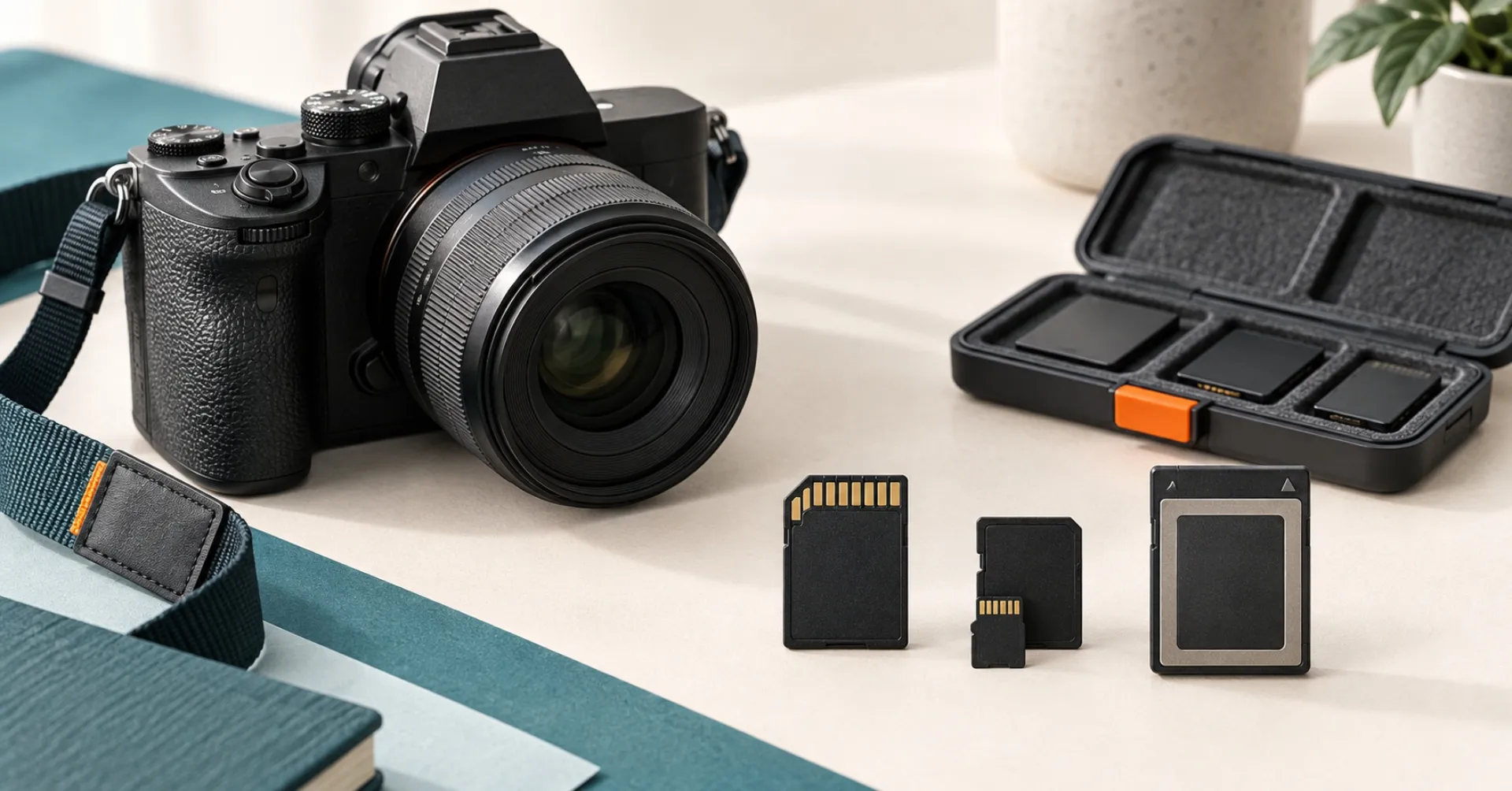
[Want to estimate how much storage you actually need? Use our photo storage calculator to get an accurate number.]
¿Puedo empezar un negocio de fotografía sin experiencia?
Yes, but you need to be honest about what “starting” means. You don’t need years of professional experience to begin building a business. But you do need enough skill, enough proof, and enough professionalism to deliver the kind of work you are offering.
If you’re starting from a very early stage, our guide on cómo montar un negocio de fotografía sin experiencia could be useful.
¿Qué equipo necesito para empezar un negocio de fotografía?
You need enough equipment to reliably do the kind of work you plan to offer.
Para la mayoría de los fotógrafos, eso significa:
- un equipo de cámara y lente que se adapte al trabajo
- una forma de editar y entregar imágenes
- un sistema de respaldo y almacenamiento
But you don’t need the most expensive gear. You need gear that helps you deliver consistent results for clients.
¿Cómo consiguen los fotógrafos a sus primeros clientes?
Most photographers get their first clients through simple, direct action:
- comunicando a su red lo que ofrecen
- mostrando un portafolio claro
- contactar a personas o empresas en su mercado
- facilitando la consulta y la reserva
Your first clients usually won’t come from advanced marketing tactics. They’ll come from clear offers, visible proof, and steady outreach.

 English