

Photography by Daniel Lopez Perez


Editorial wedding photography is often associated with the idea of magazine-quality images.
But some photographers use it just to mean trendy.
And some use it to mean “I pose a lot,” or simply to describe a stylish look and feel.
In practice, editorial wedding photography is a highly intentional approach built around direction, composition, styling, and visual polish.
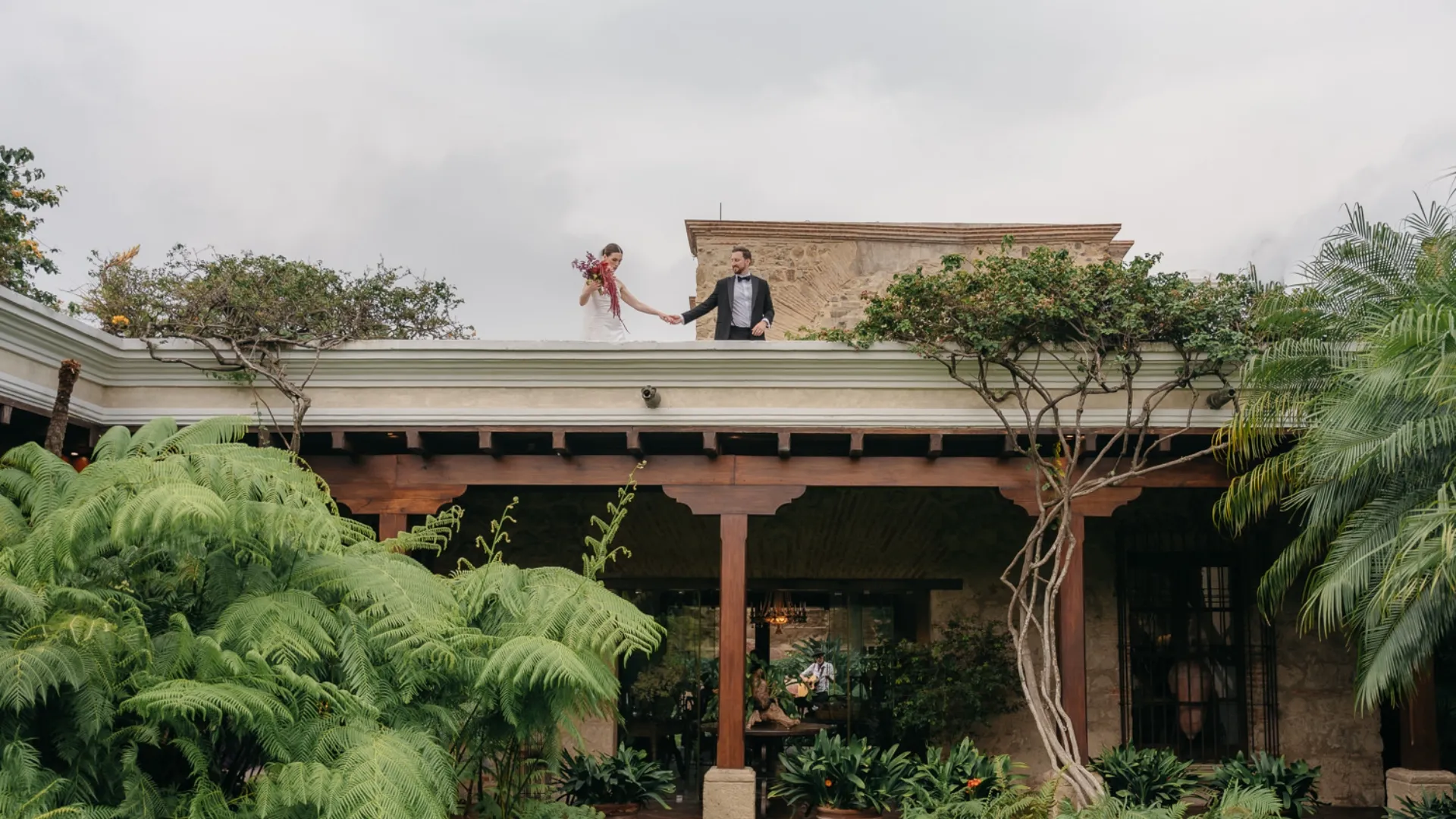
The goal isn’t just to document the day—it’s to create images that feel as though they could appear in a magazine while still reflecting the wedding itself.
(If you’re a couple who landed here: you can use this page to understand what editorial tends to look like, and what it means on a real wedding day.)
→ Jump to: What Is Editorial Wedding Photography?
→ Jump to: Is Editorial Wedding Photography a Good Fit For You?
Related Wedding Photography Styles
Not sure where editorial fits? Start with our guide to Wedding Photography Styles, then explore the styles photographers most often compare with editorial coverage.
| If you’re comparing… | Start here |
|---|---|
| Editorial vs. Fine Art Wedding Photography | Fine Art Wedding Photography |
| Editorial vs. Lifestyle Wedding Photography | Lifestyle Wedding Photography |
| Editorial vs. Traditional Wedding Photography | Traditional Wedding Photography |
What Is Editorial Wedding Photography?
Editorial wedding photography is intentionally crafted.
It’s not just “magazine-quality photos.”
It’s images that feel designed: clean composition, purposeful posing, thoughtful use of light, and a premium finish.
Here’s the simplest way to define it:
- Editorial wedding photography is: crafted, directed images that prioritize polish, design, and a high-end feel.
- Editorial wedding photography is not: “everything is staged,” “we’ll turn your wedding into a styled shoot,” or “trendy shots I saw on Pinterest.”
Editorial isn’t a preset.
Some editorial work is flash-forward, some is airy, some is filmic. What creates the throughline is the intent: designed frames, clean composition, and controlled direction.
What Editorial Wedding Photos Typically Look Like
Editorial wedding photos feel designed, not accidental.
That doesn’t mean the wedding has to be fancy. It means the images are built with clean composition, clear direction, and a controlled pace.

Good editorial work still feels alive. The difference is that you’re not leaving outcomes to chance.
Most of the editorial look comes from three things:
- Design choices: you simplify the frame and build clean compositions on purpose.
- Clear direction: you tell people where to stand and what to do so they look confident, not lost.
- Pacing: you set the frame, then let it breathe so expressions don’t look performed.
Common Visual Traits Of Editorial Wedding Photos
- Clean composition: simple backgrounds, controlled spacing, and minimal distractions.
- Purposeful posing: the couple looks placed with intention, not caught.
- Design-forward details: florals, attire, and environment are part of the frame, not an afterthought.
- Premium portrait energy: confident posture, clear lines, and images that feel cover-worthy.
- Consistency: the gallery feels cohesive, not like a mix of unrelated looks.

How Editorial Wedding Photography Compares To Similar Styles
A lot of confusion goes away when you separate the label from the vibe.
Editorial sits close to a few other styles, and the overlap is real—especially with terms like “lifestyle” and “candid.”
But there are key differences, and they affect what clients will expect you to deliver.
Here’s the breakdown:
- Editorial is about crafted polish and design-forward frames.
- Traditional is about reliable coverage and clear direction.
- Candid is about the feel of real moments (often with light prompting).
- Documentary is about storytelling across the full day.
This quick chart compares editorial to similar styles to help navigate how the terms are used:
| Style | Primary Focus | Direction Level | Common Misuse |
|---|---|---|---|
| Editorial | Polish, design, hero images | High | Used as a trendy label without consistent crafted deliverables |
| Traditional | Coverage + must-haves done reliably | High | Assumed to mean stiff or outdated, when it’s often just structured and efficient |
| Lifestyle | Natural-feeling moments with light prompting | Medium | Labeled “candid” even when prompts and guidance are doing most of the work |
| Candid | Unforced feel and real interactions | Low–Medium | Assumed to mean zero direction, which often leads to inconsistent or unflattering results |
Is Editorial Wedding Photography a Good Fit for You?
Editorial wedding photography is a tradeoff. You give up some spontaneity to gain polish.
It rewards photographers who like control—especially control over composition, posing, and pacing—without turning the wedding into a constant production.
[Just getting started with wedding photography? Check out our guide on how to become a wedding photographer.]
Signs Editorial Is A Good Fit
- You enjoy directing portraits and you’re comfortable taking the lead (calmly).
- You notice composition problems fast (clutter, exit signs, awkward overlaps) and you instinctively simplify.
- You’re willing to spend more time crafting fewer frames instead of chasing endless variations.
- You care about a consistent, designed finish across a gallery—not just a few highlight images.
Signs Editorial Will Feel Like Work All Day
- You hate posing and would rather react than direct.
- You get impatient with small adjustments (hands, posture, spacing, background cleanup).
- You prefer anything-can-happen energy more than controlled, intentional frames.
- You don’t want to think about light direction and timing beyond “we’ll make it work.”
The Low-Stress Way To Test It
- Pick one wedding and commit to an editorial set for 10–15 minutes: one hero couple portrait, one detail frame, one wide scene-setter.
- Your goal: simplify the frame, direct clearly, then pause and let the expression settle.
- If you enjoy the craft (and your images feel clean instead of stiff), editorial is probably a real fit.
Three Things Editorial Wedding Photographers Prioritize
If editorial is a fit, these priorities will feel natural to you.
Editorial isn’t “I pose more.”
It’s “I design the frame, then protect it.”
- Clean frames: you simplify backgrounds, fix overlaps, and choose angles that make the scene feel intentional.
- Clear direction: you give decisive cues so people look confident instead of uncertain or stiff.
- Hero deliverables: you’d rather create a few strong anchors than chase 40 minor variations.
Two Things Editorial Wedding Photographers Deprioritize
- Pure spontaneity: you’ll still catch real moments, but you don’t build the gallery around unpredictability.
- Endless coverage mode: you’re not trying to shoot every micro-moment like full documentary coverage; you’re curating.

How Photographers Actually Deliver Editorial Wedding Photography
Editorial wedding photography is mostly workflow.
You don’t need a 45-minute portrait block and a perfect venue.
You need a repeatable way to simplify the frame, direct efficiently, and protect the light, especially when the timeline is compressed and the locations are imperfect.
Direction Level
Editorial requires high direction.
But the goal isn’t constant talking.
The goal is clear direction, then quiet space for the moment to settle.
- Specific placement: tell people exactly where to stand and where to aim their body.
- One adjustment at a time: fix hands, then posture, then spacing—don’t stack five corrections in one breath.
- Let it breathe: once the pose is set, pause and let expression become real.
Where The Work Happens
Editorial success is mostly decided before you press the shutter.
- Before frames: you scan for clutter, awkward overlaps, and messy light, then choose an angle that simplifies the scene.
- During frames: you hold the composition, wait through the “posed face,” and shoot when the expression relaxes.
- After frames: you curate hard—keeping only what looks designed and cohesive.
Simplifying The Frame On Purpose
Most weddings are visually busy.
Editorial photographers spend effort removing noise.
It’s less about having a better location and more about seeing the location differently.
- Choose cleaner backgrounds.
- Change angles to eliminate distractions.
- Create separation between subject and background when possible.
Protecting Light And Timing
Editorial is easier when the light is stable.
That doesn’t mean you only shoot at golden hour.
It means you’re aware of what the light is doing, and you choose positions that make the look consistent.
If the light is harsh or messy, editorial photographers usually:
- move into cleaner shade
- use directional window light indoors
- choose angles that avoid distracting highlights on faces
Building A Few Hero Frames
The goal isn’t to create 40 different editorial poses. The goal is to create a handful of images that feel like anchors.
That’s what makes the gallery read as editorial, even if the rest of the day is covered faster.
- one strong couple portrait
- one wide scene-setter
- one detail image that feels designed
Selective Coverage During Fast Moments
Editorial photographers still cover the day, but the style doesn’t require you to chase every micro-moment.
If you try to do full documentary coverage and full editorial crafting at the same time, you’ll burn out or fall behind.
A common hybrid approach:
- editorial direction for portraits and details
- more observational coverage during fast moments (ceremony, reception)
Tradeoffs To Accept
Editorial wedding photography comes with real tradeoffs.
You don’t eliminate them. You decide whether you’re comfortable working inside them.
- Less spontaneity: you’ll miss some moments because you’re committing to crafted frames.
- More friction under pressure: when timelines collapse, it’s harder to keep things clean and paced.
- Higher demand for control: you can’t rely on “we’ll fix it in post” to create an editorial feel.
Common Mistakes Photographers Make With Editorial Wedding Photography
A lot of photographers want the editorial label.
The fastest way to lose trust is to use it loosely, especially when the day gets tight and you start rushing.
Mistakes That Break The Editorial Promise
- Using editorial as a vibe word: if the gallery doesn’t consistently look crafted, the label won’t hold.
- Copying trendy shots without a reason: editorial becomes repetitive fast when it’s just imitation.
- Over-directing until people look frozen: the photos read stiff instead of premium.
- Confusing moody or flashy with editorial: a dramatic look isn’t automatically editorial.
Editorial Isn’t A Checklist Of Trend Shots
A big reason the word editorial gets backlash is that it’s often used to describe the same recycled set of staged clichés.
If your “editorial set” is just a prop list and a pose list, the images start to feel lifeless, with more imitation than design.
What To Do Instead
- Define editorial by deliverables: clean frames, purposeful posing, consistent polish.
- Direct efficiently: simple cues, one adjustment at a time, then pause.
- Build fewer, better frames: hero images beat endless variations.
- Simplify the scene: the editorial look is often created by what you remove.
How To Describe Editorial Wedding Photography To Clients
Editorial is easy to oversell to couples.
If you talk like you’re creating a styled shoot all day, clients will expect a timeline that doesn’t exist at most weddings.
The goal is to describe the feel and approach without promising something unrealistic.
Client-Friendly Language That Stays Accurate
- “I’ll guide you with clear direction so your portraits feel polished and intentional.”
- “The photos will look clean and designed, without feeling stiff.”
- “I’ll create a few hero images that feel magazine-worthy, then keep the day moving.”
Editorial Doesn’t Mean Styled Shoot Coverage All Day
A helpful way to describe editorial is this: you’re building an editorial photoshoot set inside a real wedding timeline.
You craft a small group of hero frames and designed details, then you switch into a faster coverage mode when the day moves quickly.
That’s how you get the polished images without turning the wedding into a production.
Language To Avoid
These phrases often create the wrong expectations.
- “We’ll turn your wedding into a styled shoot.”
- “Everything will be editorial.” (Most weddings don’t allow for this.)
- “Vogue-level photos guaranteed.”
The Expectation Setter That Saves You
If you want one line that keeps editorial honest, use something like this:
- “We’ll create a set of polished portraits and detail images that feel editorial—then I’ll switch into a faster coverage mode for the parts of the day that move quickly.”

Editorial Wedding Photography FAQ
Here are some of the questions I see come up most often about editorial wedding photography.
What Is An Editorial Wedding Photographer?
An editorial wedding photographer creates intentionally crafted images that prioritize polish, design, and a high-end finish—using clear direction, clean composition, and controlled pacing (without turning the day into a styled shoot).
What Is Editorial Photography?
Editorial photography is a broad term for images that feel story-driven and publishable—made with intention, design, and direction. In weddings, it usually means crafting a set of clean, polished hero frames and designed details inside a real wedding timeline.
Does Editorial Wedding Photography Mean Everything Is Posed?
No. Editorial usually means portraits and key frames are intentionally crafted. Most editorial photographers still cover the day naturally when moments move fast.
Can Editorial Wedding Photography Still Feel Natural?
Yes. The difference is pacing: you direct clearly, then let the moment breathe so expressions don’t look performed.
Is Editorial Wedding Photography Only For Luxury Weddings?
No. Editorial is more about approach than budget. A skilled photographer can create clean, crafted frames in ordinary spaces.
What’s The Fastest Way To Make Editorial Photos Look Stiff?
Never stopping the direction. If you’re correcting constantly, people get tense. Set the frame, then pause and let it settle.

 Español