

Photography by Daniel Lopez Perez


Documentary wedding photography is a style label that gets used a lot, but it’s usually defined pretty loosely.
Some photographers use “documentary” to mean candid.
Some use it to mean photojournalistic.
Some use it to mean “I don’t pose.”
When I say documentary, I mean something more specific: story-first coverage that focuses on capturing real moments—candid interactions, genuine emotions, and the stories that unfold naturally.
Rather than staging photos, I prioritize being present, anticipating meaningful moments, and letting the day be what it is.
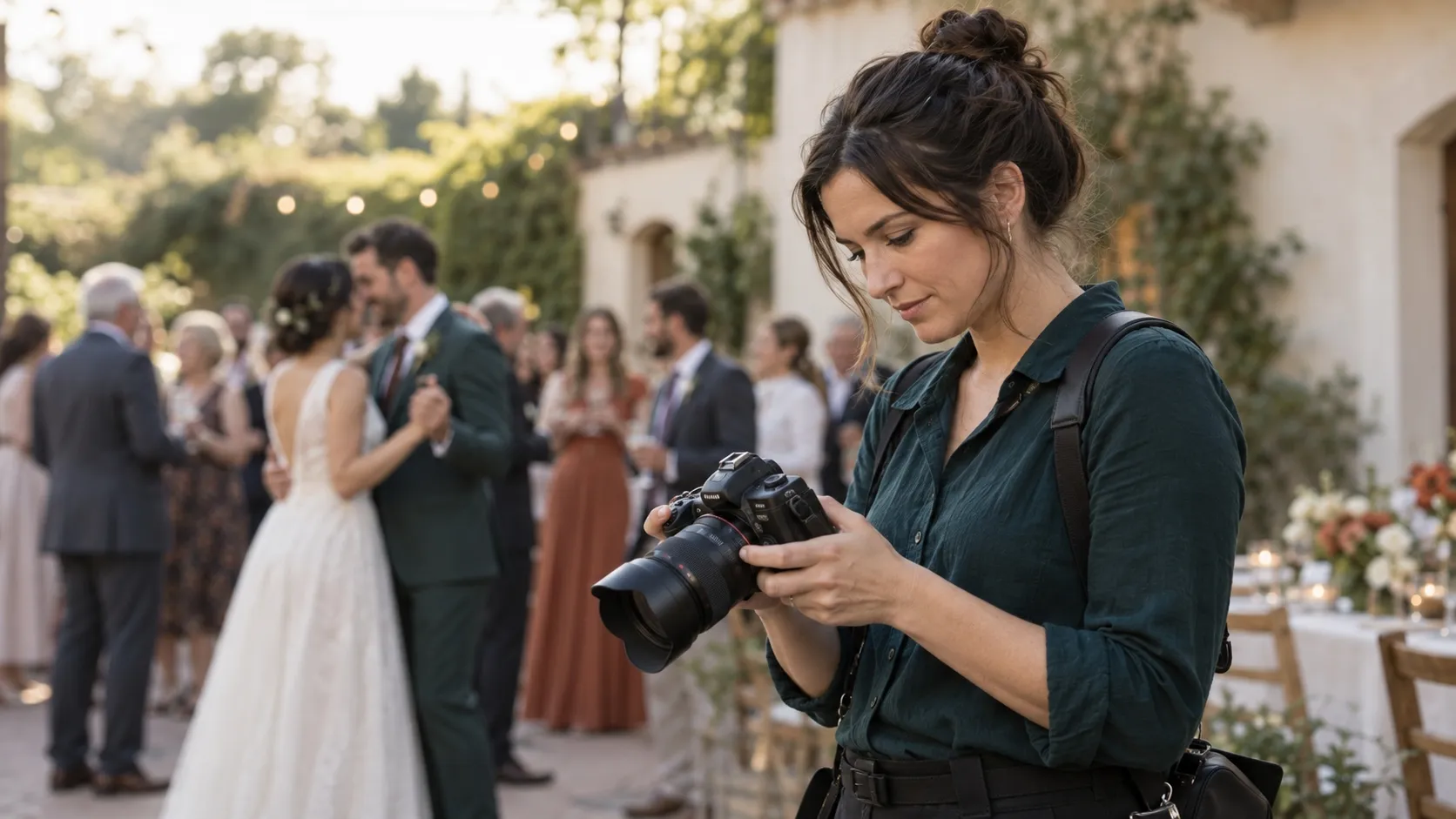
That means staying fully present throughout the day: watching relationships, anticipating reactions, and documenting the people who matter most, not just the obvious moments.
(If you’re a couple who landed here: documentary usually means your photos feel like the day as it unfolded—real moments, real emotions, minimal interruption.)
→ Jump to: What Is Documentary Wedding Photography?
→ Jump to: Is Documentary Wedding Photography a Good Fit for You?
Related Wedding Photography Styles
Not sure where documentary fits? Start with our guide to Wedding Photography Styles, then explore the styles photographers most often compare with documentary coverage.
| If you’re comparing… | Start here |
|---|---|
| Documentary vs. Candid Wedding Photography | Candid Wedding Photography |
| Documentary vs. Photojournalistic Wedding Photography | Photojournalistic Wedding Photography |
| Documentary vs. Traditional Wedding Photography | Traditional Wedding Photography |
What Is Documentary Wedding Photography?
Documentary wedding photography is story-first coverage.
The goal isn’t just strong individual photos. It’s a gallery that lets someone relive the day.
That means you’re paying attention to context and continuity. Not just the highlight moments, but the in-between moments, too.
Here’s the simplest way to define it:
- Documentary wedding photography is: story-first coverage that prioritizes real moments as they unfold, with context and continuity across the day.
- Documentary wedding photography is not: “no portraits,” “no direction ever,” or “random candids with no narrative.”
What Documentary Wedding Photos Typically Look Like
Documentary wedding photos usually feel lived-in.
They’re less about perfection and more about truth: real expressions, real interactions, and the environment the day actually happened in.
For me, that also means paying close attention to the people around the couple, including family, friends, and quiet interactions that often carry more emotional weight than the main event.
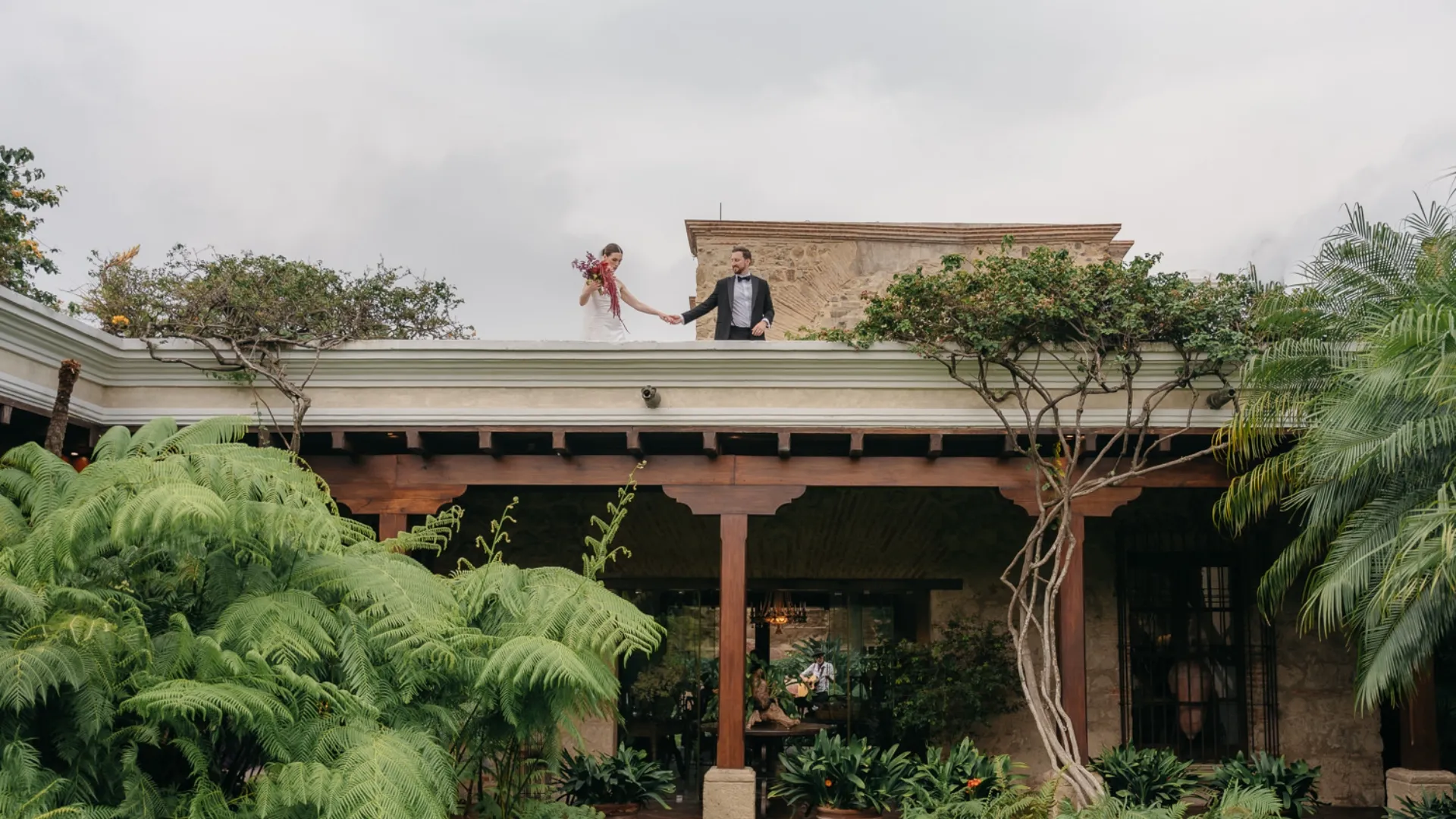
When the setting has character, I let architecture, landscape, and light become part of the story rather than just a backdrop.

Most strong documentary coverage leans on three things:
- Presence: you’re paying attention to relationships and subtext, not just the obvious action.
- Positioning: you’re in the right place before the moment peaks, so the scene reads clearly.
- Continuity: you’re building transitions (before / during / after) so the gallery feels like a day, not a highlight reel.
Common Visual Traits Of Documentary Wedding Photos
When the environment matters, I treat it as part of the narrative, not something to crop out or blur away.
- Layered scenes: multiple things happening in one frame, not just a single subject.
- Context and environment: the space matters—architecture, scenery, and setting support the story.
- Reactions and relationships: faces in the background often matter as much as the main moment.
- In-between moments: small gestures and transitions that make the day feel real.
- Sequences: moments resolve over time instead of living as one “best frame.”

How Documentary Wedding Photography Compares To Similar Styles
Documentary overlaps with other styles.
But the defining trait is the story—the way images connect across time—not just how “natural” they look.
- Documentary is a story (scenes, context, continuity).
- Candid is a look (natural, unforced).
- Photojournalistic is an ethic (minimal intervention).
- Traditional is a structure (posed portraits, clear direction, and must-have coverage).
- Lifestyle is a method (prompts that produce natural-looking moments).
This quick chart compares documentary wedding photography with some other related styles:
| Style | Primary Focus | Direction Level | What Gets Confused |
|---|---|---|---|
| Documentary | Story, context, continuity | Low–Medium | Called “candid” even when the goal is full-day story coverage |
| Candid | Unforced feel and real interactions | Low–Medium | Assumed to mean “no direction,” even though light prompting is common |
| Photojournalistic | Observation-first coverage | Low | Used interchangeably with documentary, even though the “minimal intervention” ethic is the key difference |
| Traditional | Must-haves and clear portraits | High | Seen as the opposite of documentary, even though many photographers blend both |
| Lifestyle | Natural-looking moments with prompts | Medium | Marketed as documentary when prompting is doing most of the work |
Documentary vs. Reportage
You’ll also hear the word “reportage,” especially outside the U.S.
In practice, most photographers use “reportage wedding photography” as a close cousin (or a straight synonym) for documentary: real moments, minimal staging, and a gallery that reads like a day.
If you want a clean distinction, it’s this: whatever label you choose, make sure your galleries show continuity (scenes that connect), not just “nice candid moments.”
Is Documentary Wedding Photography a Good Fit for You?
Documentary wedding photography rewards photographers who like being present and paying attention.
It’s a good fit if you enjoy telling the story of a day as it actually happened—without needing to control every variable.
[Just getting started with wedding photography? Check out our guide on how to become a wedding photographer.]
Signs Documentary Is A Good Fit For You
- You naturally notice relationships and reactions, not just the main action.
- You like shooting scenes, not just isolated portraits.
- You’re patient enough to let moments develop instead of forcing them on cue.
- You care about documenting friends and family as much as the couple—because that’s part of the story.
Signs You’ll Fight Documentary All Day
- You want every frame to be clean, symmetrical, and controlled.
- You feel the urge to fix or reset moments while they’re happening.
- You prefer crafting hero portraits more than observing people in motion.
The Low-Stress Way To Test It
- Pick one part of a wedding day where moments unfold naturally (prep, cocktail hour, or the first 20 minutes of the reception).
- Your rule: no staging and no repeats. You can reposition yourself, but you don’t reposition people.
- Afterward, review the set: does it read like a story—with scenes, transitions, and context—not just isolated “nice moments”?
Three Things Documentary Wedding Photographers Prioritize
If documentary is a fit, these priorities will feel natural to you.
Documentary isn’t “I don’t do portraits.” It’s “I let the day unfold, and I capture it in a way that reads like a story.”
- Scenes and context: you show where the moment happened and what was happening around it.
- Reactions and relationships: you’re photographing the people around the couple, not only the couple.
- Continuity: you build transitions so the gallery feels like a day, not a highlight reel.
Two Things Documentary Wedding Photographers Deprioritize
- Constant interruption: if you’re stopping the day every five minutes, it stops feeling documentary.
- Perfection-first framing: you don’t wait for the scene to “clean itself up” if it means missing the moment.

How Photographers Typically Deliver Documentary Wedding Photography
Documentary wedding photography looks hands-off.
But it isn’t.
The work happens quietly: anticipation, positioning, and choosing moments that connect into a narrative.
Positioning Instead Of Posing
You don’t move people around.
You move yourself.
I’m constantly thinking about where the story is about to land: who’s watching, who’s reacting, and what will matter five seconds from now.
If you’re consistently arriving late to reactions, it’s usually a positioning problem, not a camera problem.
Shooting Sequences, Not Singles
One image can be great.
But documentary galleries feel powerful when moments resolve.
The moments before. The peak. The aftermath.
Editing Like A Storyteller (Not A Highlight Reel)
This is where documentary becomes documentary.
In the real world, you’ll have plenty of “good” frames. The job is choosing the ones that advance the story:
- keep scene-setters that establish place and mood
- include reactions that change the meaning of a moment
- avoid stacking near-duplicates just because they’re sharp
Watching The Background On Purpose
A lot of documentary “magic” happens behind the main action.
Parents watching. Friends reacting. Someone reaching for a hand.
Train yourself to see the whole room.
Knowing When Not To Step In
There are moments you could “fix.”
But fixing them would change them.
Documentary photographers learn to make the best image inside reality, not inside an invented version of the day.
Safe Anchors That Keep the Day Moving
Documentary doesn’t mean “no structure anywhere.”
Most documentary photographers still build a few clean anchors:
- a quick couple portrait block
- family photos done efficiently
- key moments captured clearly
The difference is that those anchors don’t take over the day.
That balance—documentary coverage through the day, with a few intentional, well-crafted anchors—is how I make sure the final gallery feels both honest and complete.
Gear Defaults That Make Documentary Easier
These aren’t rules—just defaults that reduce friction when moments move fast.
- Shutter speed floor: fast enough for movement so you’re not constantly “saving” frames.
- AF habit: continuous autofocus with face/eye priority so you can stay present in the scene.
- Focal length bias: one lens that lets you work close (connection) and one that lets you step back (context).
- Quiet shooting: be mindful of shutter noise during emotional moments and quiet spaces.
Common Mistakes Photographers Make When Shooting Documentary
Documentary mistakes usually come from misunderstanding what “hands-off” actually requires.
It’s not passive. It’s intentional observation.
This shows up most when things get messy—tight timelines, crowded rooms, bad light—because that’s when photographers either retreat into randomness or start “fixing” everything.
Mistakes That Break The Documentary Promise
- Confusing documentary with passive coverage: you end up with random frames instead of story.
- Labeling candid galleries as documentary: natural moments without continuity don’t read as documentary.
- Waiting for perfection: you miss the moment because you’re hoping the frame will clean itself up.
- Ignoring the people around the couple: documentary coverage should document relationships, not only the couple.
What To Do Instead
- Think in scenes: ask “what’s happening in this room?” not “what pose do I want?”
- Shoot sequences: before / during / after so moments resolve.
- Position early: be ready before reactions peak.
- Deliver anchors fast: keep must-haves efficient so the day can unfold.
How To Describe Documentary Wedding Photography To Clients Without Overpromising
Documentary wedding photography is easy to oversell by accident.
If you describe it like “we won’t pose you at all,” couples may hear “we won’t help you.”
If you describe it like “it’s all candid,” couples may hear “we’ll miss the must-haves.”
The goal is to describe the real promise: real moments and real story, with minimal interruption—while still covering what matters.
Client-Friendly Language That Stays Accurate
- “I focus on real moments—candid interactions, genuine emotion, and the story of your day as it unfolds.”
- “Rather than constantly staging photos, I stay present and watch for meaningful moments.”
- “You’ll get coverage that feels natural and honest, without turning the day into a photoshoot.”
Language To Avoid
- “Nothing is posed.” (Most couples still expect some guidance somewhere.)
- “We won’t interrupt you at all.” (You’ll still need to direct occasionally.)
- “It’s basically candid.” (Documentary is about continuity, not just the candid look.)
The Expectation Setter That Saves You
- “Most of the day is captured as it unfolds, with minimal interruption—while still making sure the important photos get covered clearly.”

Documentary Wedding Photography FAQ
Here are answers to some of the most common questions photographers get about documentary coverage.
Is documentary wedding photography the same as candid?
No. Candid is a look and a feel. Documentary is story-first coverage with context and continuity across the day.
Is documentary wedding photography the same as photojournalistic?
Not always. Photojournalistic usually emphasizes minimal intervention as an ethic. Documentary emphasizes storytelling through scenes and continuity.
Is documentary wedding photography the same as reportage?
Often, yes. Many photographers use “reportage” and “documentary” interchangeably—especially outside the U.S.
If you want to stay accurate, the main thing to deliver (no matter the label) is continuity: scenes that connect into a narrative, not just a set of “nice candids.”
Does documentary wedding photography mean no portraits or family photos?
No. Most documentary photographers still create a few clean anchors—couple portraits and family photos—then switch back to observation for the rest of the day.
Who is documentary wedding photography best for?
Photographers who care more about observation than control, and are comfortable anticipating moments instead of directing them.
Couples who care about real moments, relationships, and a gallery that feels like the day as it truly happened—rather than a staged version of it.
What does “documentary” mean in photography?
In general, documentary photography is about capturing real life as it unfolds in a truthful way.
In weddings, that means prioritizing real moments and real context, then shaping the final gallery so it reads like a coherent story.

 Español