

Photography by Daniel Lopez Perez


Candid wedding photography is one of the most-used style labels in weddings—and one of the most misunderstood.
When photographers say “candid,” couples often hear “no direction at all.”
When couples say “candid,” photographers sometimes hear “photojournalism.”
But in practice, candid usually means something simpler: the photos feel natural, relaxed, and unforced.
Below, I’ll define candid, show you how it differs from nearby labels, and break down how to shoot it consistently.
(If you’re a couple who landed here: you can use this page to understand what “candid” tends to look like.)
→ Jump to: What Photographers Usually Mean By Candid Wedding Photography
→ Jump to: How To Tell If Candid Wedding Photography Fits The Way You Shoot
Related Wedding Photography Styles
Not sure where candid fits? Start with our guide to Wedding Photography Styles, then explore the styles photographers most often compare with candid coverage.
| If you’re comparing… | Start here |
|---|---|
| Candid vs. Documentary Wedding Photography | Documentary Wedding Photography |
| Candid vs. Photojournalistic Wedding Photography | Photojournalistic Wedding Photography |
| Candid vs. Lifestyle Wedding Photography | Lifestyle Wedding Photography |
What Is Candid Wedding Photography?
Most of the time, “candid” describes the feel of the photos.
They look like real moments. Real expressions. Real interactions. The couple doesn’t look like they’re performing for the camera.
But that doesn’t mean you never direct people.
In weddings, candid is usually a promise that your photos won’t feel stiff—not a promise that you’ll be invisible.
Light prompting and micro-direction are often the difference between “natural and flattering” and “natural but chaotic.”
Here’s the boundary that keeps the label honest:
- Candid wedding photography is not: “I won’t direct you at all.”
- Candid wedding photography is: “I’ll keep things real—and I’ll step in just enough to keep it coherent and flattering.”
What Candid Wedding Photos Typically Look Like
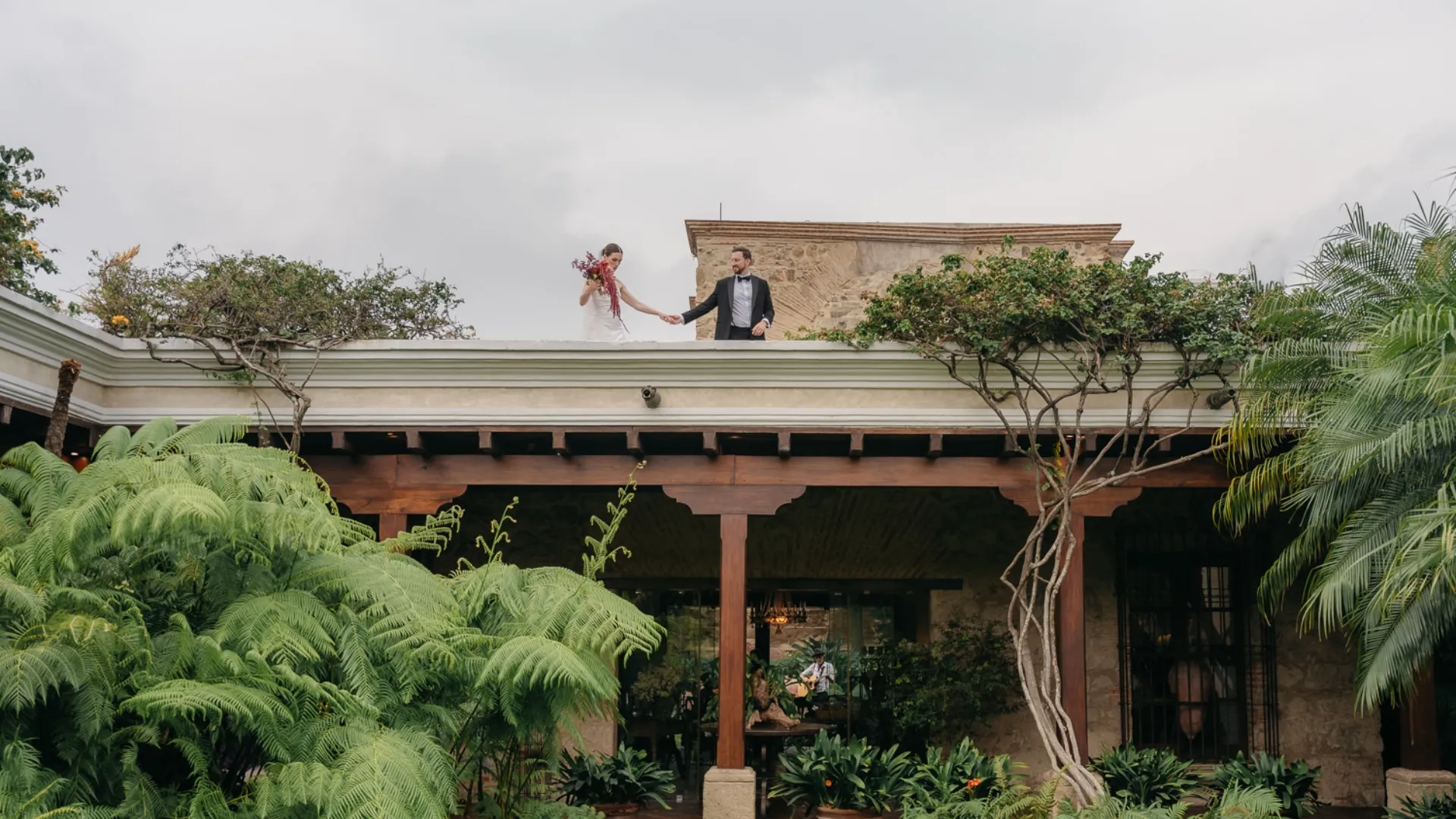
Candid wedding photos should make you feel like you were there as a fly on the wall.
But that doesn’t mean the photos are chaotic or messy.

- Anticipation: you’re ready before the moment peaks.
- Comfort: people relax because you’re not constantly correcting them.
- Light prompting: when you do guide, it’s minimal and it keeps the moment moving.
Common Visual Traits Of Candid Wedding Photos
- Natural expressions: laughter that looks real, not “on command.”
- Real body language: people leaning in, turning toward each other, moving like themselves.
- Micro-moments: reactions, glances, hands reaching, small gestures.
- A sense of motion: walking, dancing, hugging, turning, pulling someone in close.
- Less “camera awareness”: the frame feels observed, not staged.

How Candid Wedding Photography Compares To Similar Styles
Candid sits close to a few other styles, and the overlap is real. So real that people often mix them up, using terms like candid, documentary, and photojournalistic interchangeably, as if they were all the same. But there are key differences:- Candid is a look (natural, unforced).
- Documentary is a story (scenes, context, continuity).
- Photojournalistic is an ethic (minimal intervention).
- Lifestyle is a method (prompts that produce natural-looking moments).
| Style | Primary Focus | Direction Level | What Gets Confused |
|---|---|---|---|
| Candid | Unforced feel and real interactions | Low–Medium | Assumed to mean “zero direction,” which often creates inconsistent results |
| Documentary | Story and continuity across the full day | Low–Medium | Lumped in with candid even when the goal is narrative coverage, not just a natural look |
| Photojournalistic | Observation-first coverage with minimal intervention | Low | Confused with candid, even though the defining trait is the “don’t manufacture it” ethic |
| Lifestyle | Natural-looking moments created with prompts | Medium | Marketed as candid, even when prompting is doing most of the work |
Is Candid Wedding Photography A Good Fit For You?
Candid wedding photography rewards photographers who are comfortable with uncertainty.
It’s a good fit if you can consistently deliver a relaxed, unforced feel—across different lighting, timelines, and personalities.
[Just getting started with wedding photography? Check out our guide on how to become a wedding photographer.]
Signs Candid Is A Good Fit For You
- You’re comfortable letting moments unfold, and you don’t panic when things aren’t perfectly posed.
- You notice interactions quickly (glances, reactions, small gestures) and you’re ready before they happen.
- You like giving light direction that keeps people relaxed, without turning every moment into a set.
Signs You’ll Fight Candid All Day
- You feel the urge to correct everything: hands, shoulders, posture, expressions—constantly.
- Your favorite images are the highly crafted ones, and you get frustrated when you can’t control the scene.
- You equate “candid” with “hands-off,” which usually leads to inconsistent results.
The Low-Stress Way To Test It
- Pick one part of a wedding day (cocktail hour is a good one) and commit to “light prompting only.”
- Your rule: you can reposition people and give a simple cue, but you don’t sculpt the whole pose.
- Afterward, review the set. Do the photos feel natural and look flattering? If yes, candid is probably a good fit for you.
Three Things Candid Wedding Photographers Prioritize
If candid is a fit, these priorities will feel natural to you.
Candid isn’t “I never direct.” It’s “I keep things real, and I don’t over-control the day.”
- Real interactions: You’re watching for the moments between the moments—glances, reactions, someone leaning in to whisper something.
- Comfort over perfection: You’ll step in when something will obviously look bad, but you’re not trying to fix every detail.
- Timing and positioning: You get your best work by being ready—choosing angles and positions that let you catch reactions when they happen.
Two Things Candid Wedding Photographers Deprioritize
- Heavy resets: stopping the day every five minutes makes people self-conscious, and self-conscious is the enemy of candid.
- Perfect posing for every moment: you’ll still make intentional images, but you’re trading some control for more truth.

How Photographers Typically Achieve a Candid Look
Candid work looks effortless.
But it isn’t.
The difference is that the work happens quietly.
You’re doing just enough to keep things flattering and readable, without turning the day into a constant photoshoot.
Direction Level
Most candid wedding photographers still direct.
They just don’t direct in a way that stops momentum.
In practice, this is the difference between a couple staying present with each other versus switching into “portrait mode” the second you speak.
- Light prompting: small cues that keep people moving and interacting.
- Micro-adjustments: quick fixes that don’t break the moment.
- Minimal repeats: you don’t “run it again” unless you absolutely have to.
If your direction makes someone feel like they’re posing, it’s probably too much for a candid moment.
Where The Work Happens
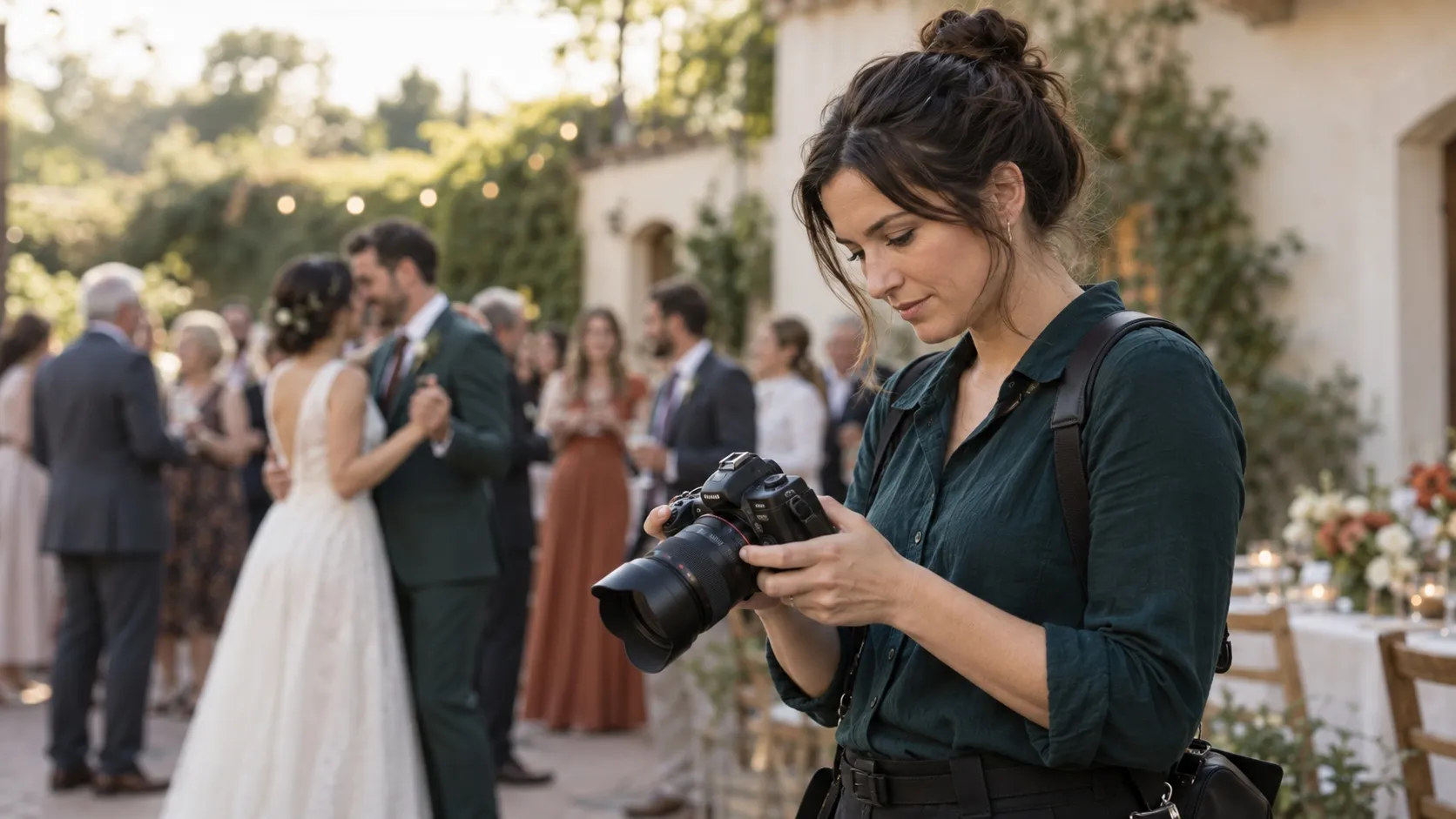
Candid success is mostly decided before you press the shutter.
- Before moments: you position yourself where reactions are likely to happen, and you simplify the scene when you can.
- During moments: you shoot through the peak, not just the “start,” and you stay patient for the follow-up reactions.
- After moments: you choose images that reflect what it felt like, not only the cleanest frames.
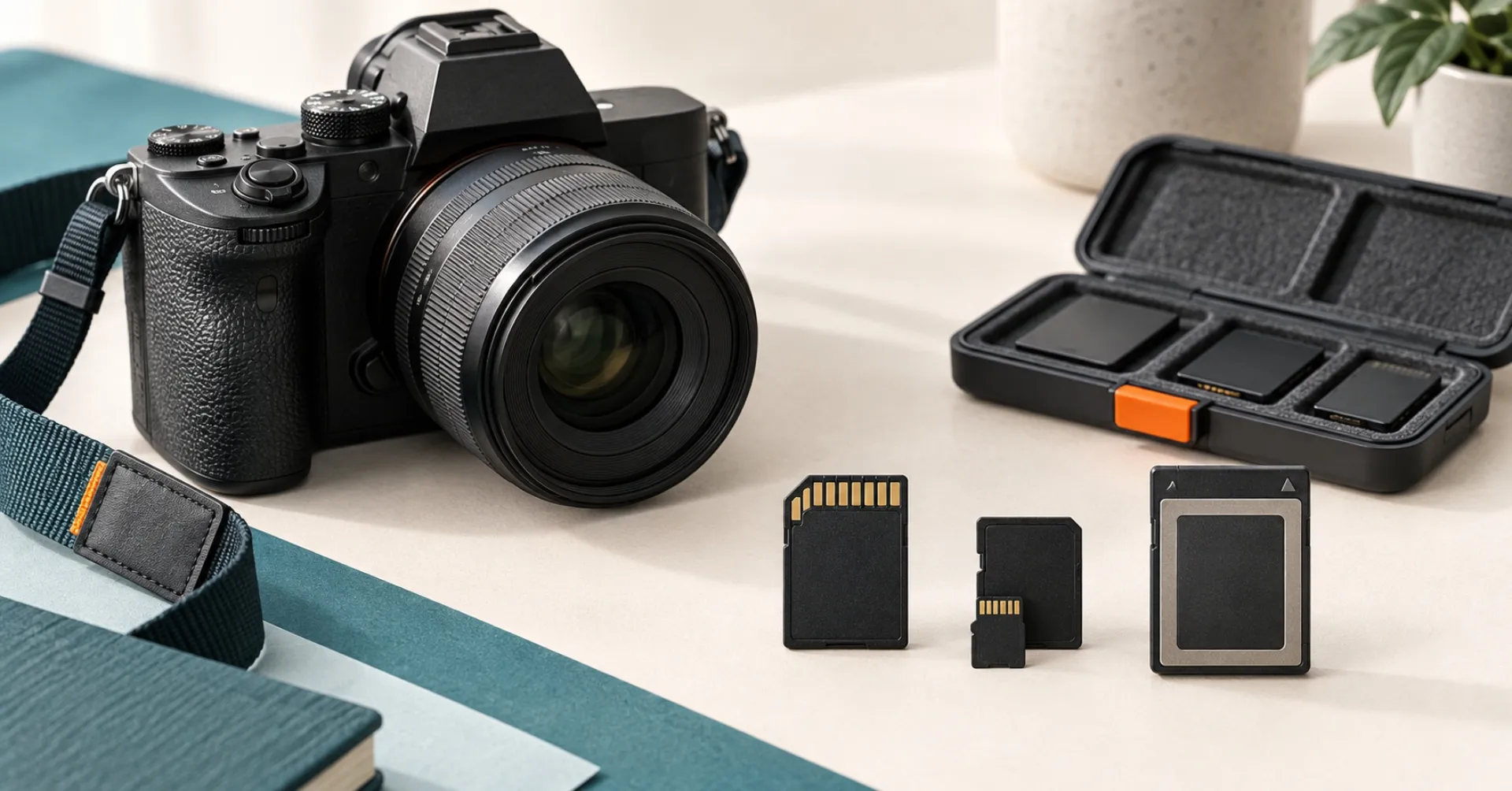
Gear Defaults That Make Candid Easier
These aren’t rules—just defaults that reduce friction when moments move fast.
- Shutter speed floor: fast enough to handle movement without thinking (especially during prep, cocktail hour, and the dance floor).
- AF mode habit: continuous autofocus with face or eye priority, so you’re reacting—not refocusing.
- Focal length bias: lenses that let you stay close enough to feel present, without crowding people.
- Silent shutter caution: useful for ceremonies, but watch for banding or rolling shutter under artificial light.
How To Use Prompts Without Killing The Candid Feel
Prompts work when they create real interaction.
They fail when they create performance.
- Good prompts: give people something to do with each other.
- Bad prompts: make people think about the camera.
For couples portraits that still feel candid, the goal is usually guided movement—not a perfect pose.
Tradeoffs To Accept
Candid wedding photography comes with real tradeoffs.
You don’t eliminate them—you decide whether you’re comfortable working inside them.
- Less control: you won’t perfectly sculpt every frame.
- More unpredictability: moments happen fast, and you’ll miss some.
- Higher demand for awareness: you can’t rely on posing to create the image.
When this fits you, the work feels honest. And that’s usually what clients mean when they say they want “candid.”
Common Mistakes Photographers Make When Shooting Candid
And when candid falls apart, it’s usually because photographers drift into one of two extremes: too hands-off, or too controlling.
Both break the promise.
This shows up most when timelines get tight. Because that’s when photographers either stop directing entirely or start over-controlling every frame.
Mistakes That Break The Promise
- Equating candid with zero direction: the result is often unflattering, messy, and inconsistent.
- Only shooting candid during “easy” parts of the day: then the gallery feels like two different photographers.
- Chasing moments instead of anticipating them: you show up late and end up shooting the aftermath.
- Over-delivering near-duplicates: candid galleries get bloated fast if you don’t curate tightly, especially on the dance floor and during cocktail hour.
What To Do Instead
- Use micro-direction: fix the obvious problems quickly, then let the moment continue.
- Build consistency across the day: find candid opportunities during portraits, prep, ceremony, and reception—not just cocktail hour.
- Position for reactions: decide where the moment will land, then be there early.
- Edit like a storyteller: keep the frames that add meaning, not the ones that repeat the same expression.
[Related read: Should Couples Use Disposable Cameras for Weddings?]
How To Describe Candid Wedding Photography To Clients Without Overpromising
Most issues with candid wedding photography don’t come from shooting. They come from language. If you describe candid as “we won’t pose you at all,” you’re setting yourself up for friction—especially once portraits, family photos, or timelines get tight.Client-Friendly Language That Stays Accurate
Good candid language explains how the photos will feel, not how invisible you’ll be.- “We keep things relaxed and natural, with light guidance when it helps things look good.”
- “Most moments are real and unforced, but I’ll step in when something needs structure.”
- “You won’t feel like you’re constantly posing—but you also won’t be left hanging.”
Language To Avoid
These phrases sound good, but they usually cause problems later.- “We won’t pose you at all.” (Almost never true.)
- “Everything is completely candid.” (Couples hear this as zero direction.)
- “Just be yourselves, don’t worry about us.” (Helpful sentiment, unclear execution.)
The Expectation Setter That Saves You
If you want one simple line that keeps candid honest, it’s this:- “Most moments will unfold naturally—but when something needs guidance, I’ll step in so it still looks great.”
Candid Wedding Photography FAQ
Here are answers to some of the most commonly asked questions about shooting weddings in a candid style
Is candid wedding photography the same as photojournalistic?
No. Photojournalistic photography emphasizes minimal intervention. Candid photography emphasizes a natural look, often with light prompting.
Can candid wedding photography still include posed portraits?
Yes. Most candid-focused photographers still pose portraits—they just keep the posing efficient and natural-looking.
Do candid wedding photos mean less flattering photos?
No. Candid should still be flattering. The difference is that you guide lightly instead of sculpting every detail.
Is candid wedding photography a good fit for every wedding?
Not always. Very tight timelines, highly formal events, or clients who want heavy direction may be better served by a different primary style.
What Does “Candid” Mean In Photography?
In general, candid photography refers to images that don’t feel staged or performed for the camera.
In weddings, candid usually means the moments feel real and unforced—but not unmanaged.
Most candid wedding photography still involves light prompting, positioning, and timing, because “natural” moments still need to be readable and flattering.

 Español