

Photography by Daniel Lopez Perez


I’ve seen the term “artistic wedding photography” used a lot, but it can be hard to tell what people actually mean.
Sometimes “artistic” means “moody editing.” And sometimes it means “fine art.”
And sometimes it’s just a way of saying “my work is different.”
When I use the label artistic, I mean something more specific: the photos are shaped by the photographer’s point of view.
The goal isn’t neutral coverage. It’s interpretation—images that prioritize expression, mood, and meaning.
(If you’re a couple who landed here: “artistic” usually means your photos will feel expressive and intentional, not just documentary coverage.)
→ Jump to: What Is Artistic Wedding Photography?
→ Jump to: Is Artistic Wedding Photography a Good Fit for You?
Related Wedding Photography Styles
Not sure where artistic fits? Start with our guide to Wedding Photography Styles, then explore the styles photographers most often compare with artistic coverage.
| If you’re comparing… | Start here |
|---|---|
| Artistic vs. Fine Art Wedding Photography | Fine Art Wedding Photography |
| Artistic vs. Editorial Wedding Photography | Editorial Wedding Photography |
| Artistic vs. Moody Wedding Photography | Moody Wedding Photography |
What Is Artistic Wedding Photography?
Artistic wedding photography is expression-first.
The photographer’s point of view is part of the deliverable.
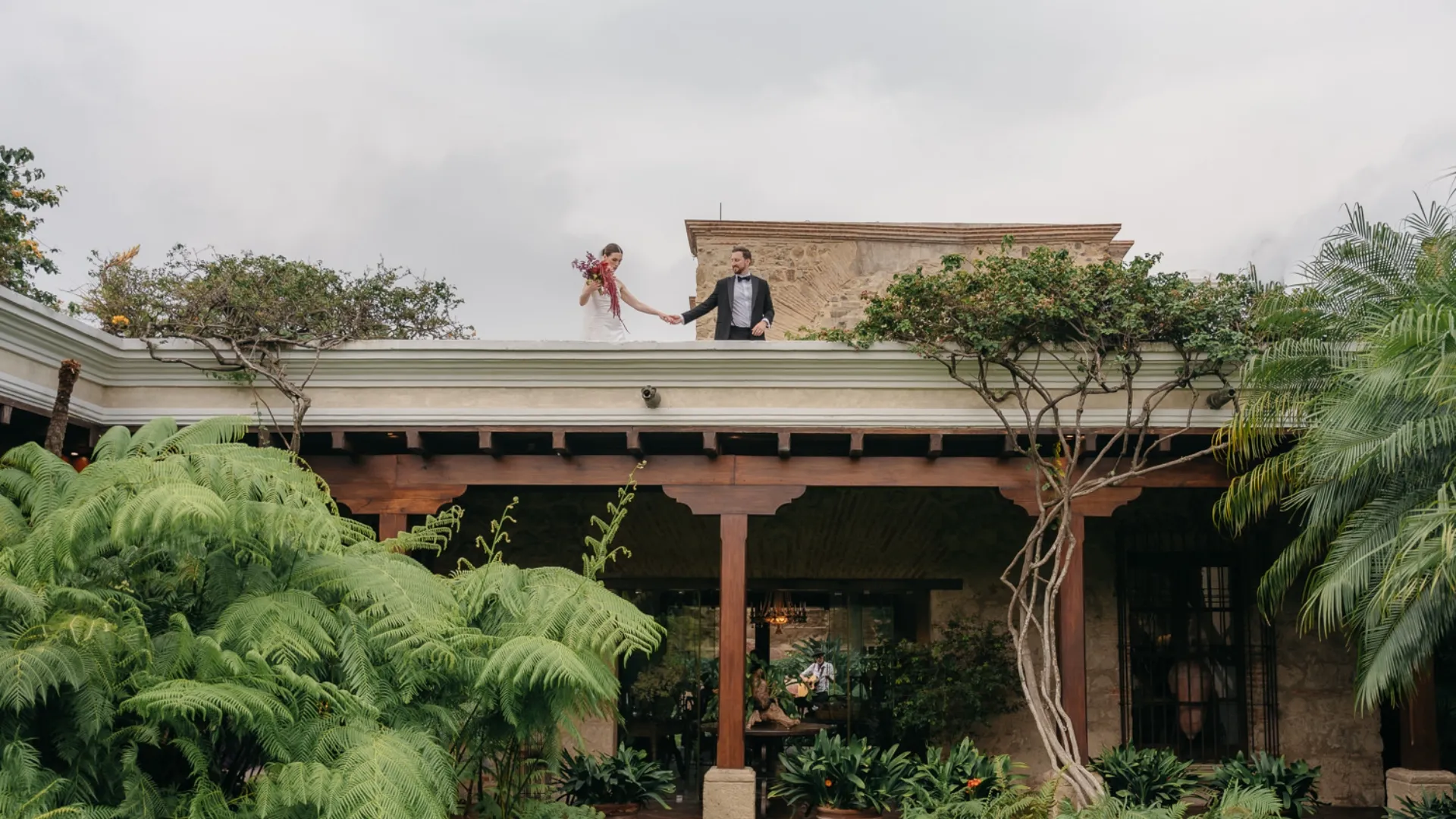
That view may show up through composition, light, mood, color, contrast, abstraction, or the way moments are edited and sequenced.
The common thread is that the images aren’t trying to be neutral. They’re trying to say something.
Here’s the simplest way to define it:
- Artistic wedding photography is: an interpretive approach where the photographer’s vision shapes the images, prioritizing expression and mood over neutral coverage.
- Artistic wedding photography is not: a preset, a luxury label, or an excuse for inconsistent results.
A preset can support a voice, but it can’t create one.
If the work isn’t intentional in-camera—composition, light, timing—the edit is just styling.
Artistic can include posed images or candid moments.
The difference is that the photographer is making subjective choices on purpose: what to emphasize, what to hide, what to simplify, and what to lean into emotionally.
What Artistic Wedding Photos Typically Look Like
Artistic wedding photos usually feel intentional and expressive.
They’re not trying to be neutral coverage. They’re trying to communicate mood, meaning, or a point of view.
That’s why two artistic photographers can have completely different-looking work, and both can be considered artistic.
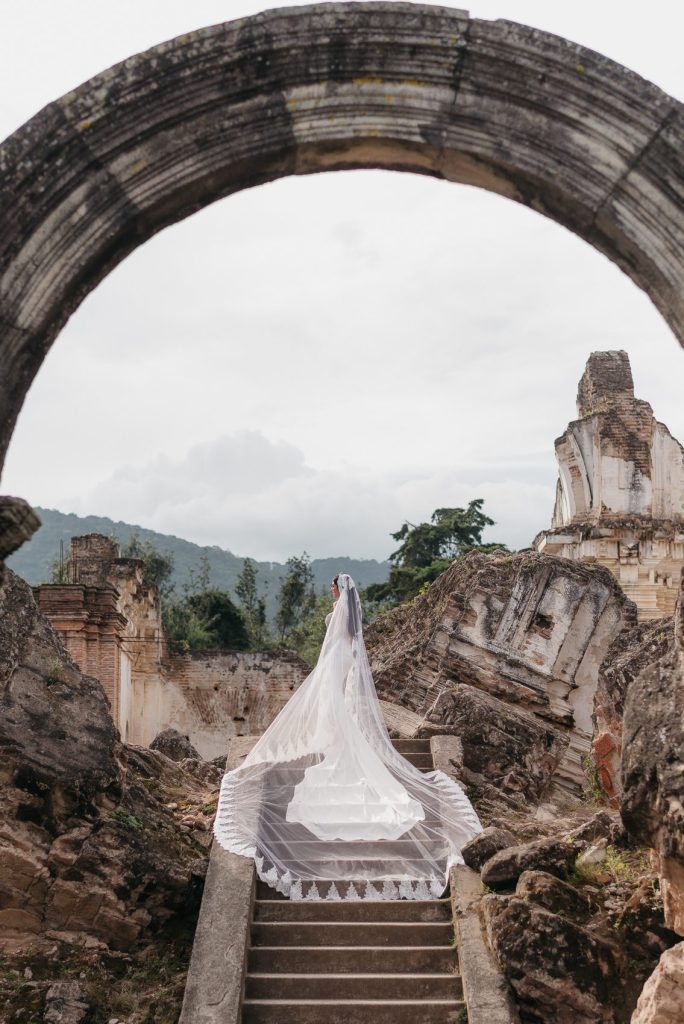
Most artistic wedding photography tends to lean into a few patterns:
- Intentional design: the frame feels composed, not accidental—even when the moment is candid.
- Atmosphere: the image emphasizes feeling (light, weather, space, shadow), not just faces.
- Selective emphasis: the photographer simplifies what matters and lets the rest fall away.
- Interpretive timing: the photographer is choosing moments for meaning, not only for coverage.
Common Visual Traits Of Artistic Wedding Photos
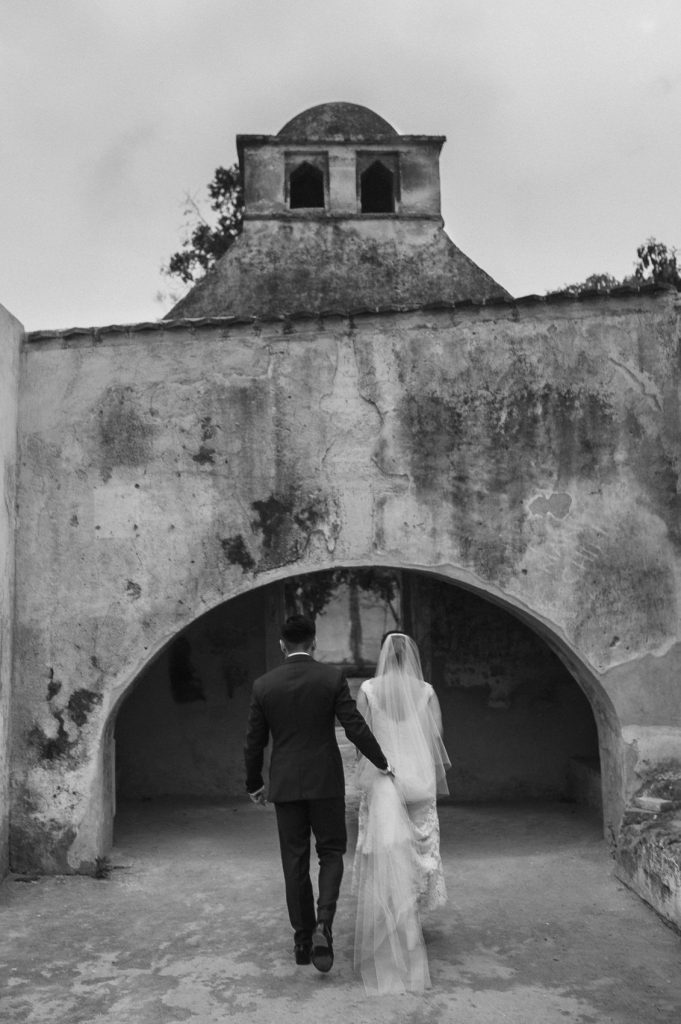
- Expressive composition: negative space, unusual framing, intentional cropping, and strong visual design.
- Atmosphere: the photos emphasize feeling—through light, shadow, weather, or environment.
- Abstraction: reflections, silhouettes, motion blur, foreground layering, or partial views.
- Selective storytelling: fewer “coverage” frames, more meaning frames.
- A cohesive voice: the work feels like one photographer’s perspective, not a mix of borrowed looks.
How Artistic Wedding Photography Compares To Similar Styles
Artistic sits close to a few other styles, and the overlap is real.
So real that people use artistic as a catch-all when the real differentiator is something more specific, like fine art curation, editorial direction, or documentary storytelling.
But there are key differences:
- Artistic is a priority (expression-first, authored point of view).
- Fine art is a lane (curation and polish with an heirloom mindset).
- Editorial is a deliverable (designed, magazine-style hero frames).
- Documentary is a story (scenes, context, continuity).
These differences matter when you translate the label into client expectations and deliverables.
This quick chart compares an artistic approach to shooting weddings with other related styles:
| Style | Primary Focus | Direction Level | What Gets Confused |
|---|---|---|---|
| Artistic | Expression and interpretation | Varies | Used as a vague badge when the work is mostly standard coverage |
| Fine Art | Curated, print-worthy images with cohesive aesthetic | Medium–High | Used interchangeably with artistic, even though it’s typically a narrower lane with more curation |
| Editorial | Polish, design, hero frames | High | Lumped in with artistic because both can look stylish, even though the goal is different |
| Documentary | Story, context, continuity | Low–Medium | Confused with artistic when the edit is moody, even if the approach is story-first |
Is Artistic Wedding Photography A Good Fit For You?
Artistic wedding photography rewards photographers who are comfortable making subjective choices.
It’s a good fit if you can deliver a point of view consistently across different lighting, timelines, and personality types.
[Just getting started with wedding photography? Check out our guide on how to become a wedding photographer.]
Signs Artistic Wedding Photography Is A Good Fit
- You notice mood and meaning, not just subjects and poses.
- You enjoy experimenting with composition, light, or perspective to create something more expressive.
- You’re comfortable making bold choices, even if not every frame is universally safe.
- You can explain your approach without hiding behind vague words like creative.
Signs You’ll Fight Artistic Wedding Photography All Day
- You want a clear formula that produces the same type of gallery every time.
- You feel uneasy when images are subjective or less traditionally flattering.
- You’d rather prioritize coverage and must-haves than carve out time for experimentation.
The Low-Stress Way To Test Artistic Wedding Photography
- Pick one part of a wedding day where you can safely experiment (details, a quiet five-minute portrait block, or a wide environment scene).
- Create 10 frames with a clear intention (mood, abstraction, reflection, compression, negative space).
- Afterward, review the set: do the photos feel like you, or do they feel like random experiments without a point of view?
Three Things Artistic Wedding Photographers Prioritize
If artistic is a fit, these priorities will feel natural to you.
- Mood and meaning: you’re choosing light, framing, and timing to reinforce a feeling, not just record what happened.
- Point of view: your choices are consistent enough that a full gallery feels authored.
- Selective emphasis: you’re willing to simplify and curate so the strongest frames carry the story.
Two Things Artistic Wedding Photographers Deprioritize
- Strict predictability: the more you chase interpretation, the less you can guarantee every frame will look “safe.”
- Coverage-only thinking: you still cover the day, but you’re not optimizing purely for completeness.
How Photographers Actually Deliver Artistic Wedding Photography
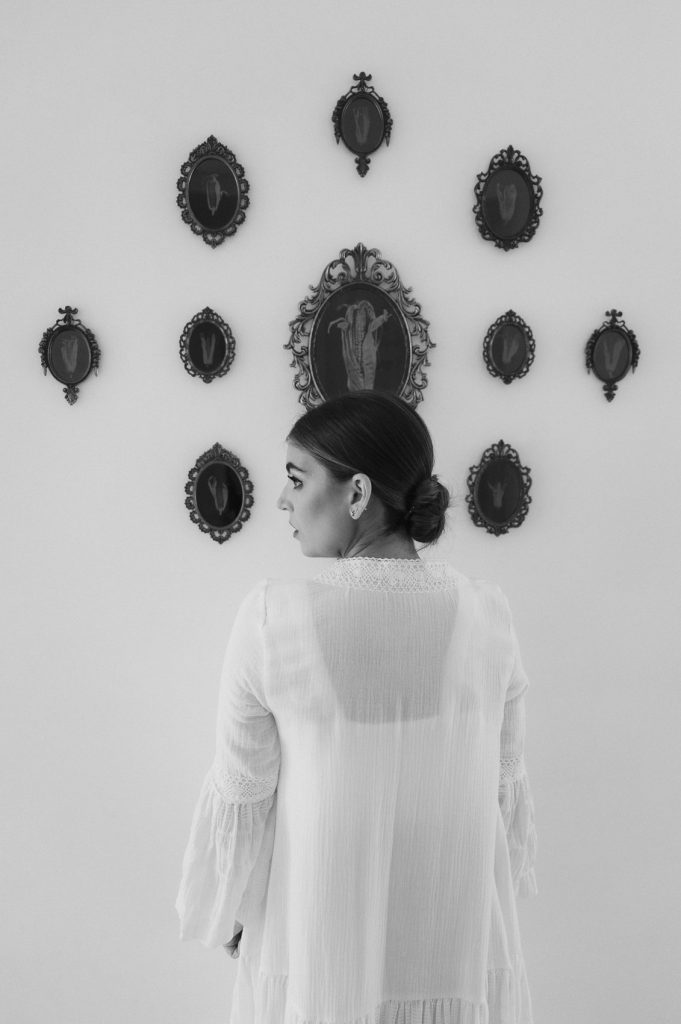
Artistic wedding photography is a combination of intent and control: you know what you’re trying to say, you know how to build it visually, and you can still deliver a complete wedding gallery.
But this work also needs to survive real wedding conditions—compressed timelines, messy rooms, harsh light, and fast transitions—without turning into random experiments.
Direction Level
Artistic work can be highly directed or more observational.
The difference is that the direction serves the point of view.
In practice, you’ll usually see:
- Intentional guidance: you’ll shape the scene when it supports the image (cleaning the frame, choosing a position, creating space).
- Selective intervention: you don’t direct everything—you intervene where it matters to the final result.
- Clear priorities: when time gets tight, you know what you’re protecting (anchors vs. interpretive frames).
Where The Work Happens
A lot of artistic success is decided before the shutter click.
- Before moments: you’re watching for good light, clean layers, and a scene that supports what you want to say.
- During moments: you’re choosing timing and perspective that feels intentional, not just “here’s what happened.”
- After moments: you curate tightly so the gallery reads like a voice, not a dump.
Starting With An Intention
The easiest way to avoid random creative shots is to choose an intention before you shoot.
Not a mood board. Just a sentence.
Examples:
- “This part of the day feels quiet and intimate.”
- “This room feels chaotic and electric.”
- “This couple feels grounded and calm inside a big environment.”
Once you have intention, your choices flow from there sense.
Breaking Rules On Purpose
The difference between artistic and mistakes is whether the choice is intentional.
Negative space works if it says something.
Motion blur works if it supports the feeling.
A silhouette works if the scene is about shape and mood.
If you can’t explain why you made the choice, it usually reads as random.
Using Editing As Part Of The Voice
Editing isn’t just polish.
In artistic work, editing is part of the interpretation:
- contrast choices
- color palette
- grain or softness
- tonal mood
Artistic galleries are edited like a sequence, not a dump: you’re curating tone, pacing, and meaning.
This is where the preset equals fine art misconception comes from.
A preset can support a voice, but it can’t replace one.
Artistic Work Often Starts Before The Wedding Day
A lot of artistic work happens before anyone picks up a camera.
If you want interpretation to feel intentional and not random, you usually need a little structure:
- a pre-wedding conversation about what the couple wants the photos to feel like (not just what they want them to look like)
- light scouting for locations and usable light so you’re not inventing the plan on the spot
- building one or two short creative windows into the timeline (even five minutes) so you’re not forcing experimentation under pressure
- setting expectations about anchors (clear must-haves) versus interpretive frames (more expressive images)
Tradeoffs To Accept
Artistic wedding photography comes with real tradeoffs.
You don’t eliminate them—you decide whether you’re comfortable working inside them.
- Less predictability: not every frame will be universally “safe,” especially if you lean into abstraction or atmosphere.
- More pressure on decision-making: you can’t default to standard formulas when the scene is messy.
- Higher risk when timelines compress: if you don’t protect even a small creative window, the style can get pushed out by logistics.
Common Mistakes Photographers Make With Artistic Wedding Photography
Artistic falls apart most often when photographers drift under pressure.
That drift shows up fast when prep runs late, the portrait block gets cut in half, or the reception lighting is ugly and everyone is moving.
Mistakes That Break The Artistic Promise
- Using a preset as a substitute for vision: the photos look stylized, not authored.
- Hiding behind vague words: creative and artistic without examples feels like marketing fog.
- Confusing chaos with expression: not every odd frame is meaningful.
- Ignoring client expectations: a gallery full of abstraction with no anchors can feel incomplete.
What To Do Instead
- Choose an intention: decide what you’re trying to communicate before you start experimenting.
- Make intentional visual choices: break rules for a reason, not because the frame is “different.”
- Show full galleries: prove your point of view holds across an entire day, not only highlights.
- Deliver anchors: keep the gallery usable for real people, not just Instagram.
How To Describe Artistic Wedding Photography To Clients Without Sounding Vague
Artistic wedding photography is easy to describe in a way that sounds like marketing fog.
If you say “I’m creative” or “my work is artistic,” most clients won’t know what that means.
The goal is to describe the actual promise: interpretation, mood, and a photographer’s point of view, while still setting expectations about coverage and deliverables.
Client-Friendly Language That Stays Accurate
- “My photos are guided by mood and meaning, not just documentation. I’m making intentional choices so the images feel expressive.”
- “You’ll get a mix of clean anchors and more interpretive images—photos that show what the day felt like, not just what it looked like.”
- “I’m not trying to be neutral. My point of view is part of the work.”
Language To Avoid
These phrases are common, but they usually don’t help clients understand what they’ll get.
- “I’m very artistic.”
- “My style is creative.”
- “It’s fine art.” (Unless you can explain what that means with examples.)
The Expectation Setter That Saves You
If you want one line that keeps the label honest and client-friendly, use something like this:
- “You’ll get a complete wedding gallery, plus a set of more expressive images where I lean into mood, composition, and atmosphere.”
Artistic Wedding Photography FAQ
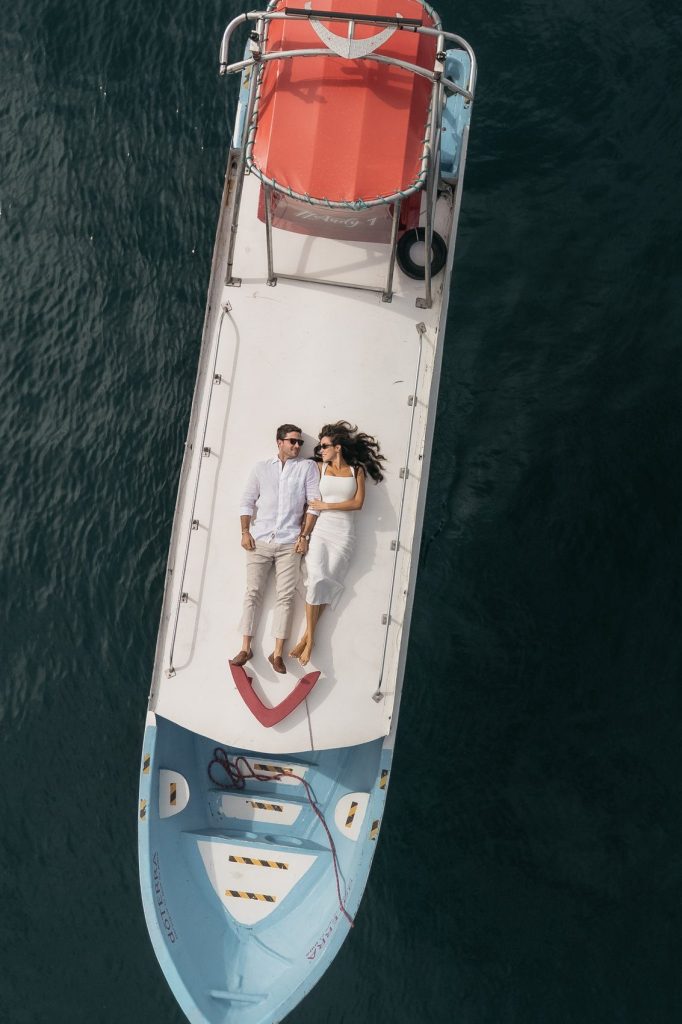
Here are answers to some of the most commonly asked questions about shooting weddings in an artistic style.
Is Artistic Wedding Photography The Same As Fine Art Wedding Photography?
Not always. Fine art is often used as a specific brand label, and it’s frequently overused. Artistic is broader: it means the photographer’s point of view shapes the work, regardless of the exact look.
What Is Fine Art Wedding Photography?
In the wedding world, fine art wedding photography usually refers to curated, print-worthy images with a cohesive aesthetic and a guided experience. It often prioritizes clean composition, intentional light, and a finished look that feels timeless or heirloom-forward. The catch is that the label gets used loosely—so the real tell is consistency across full galleries, not the marketing words.
What Is A Fine Art Wedding Photographer?
A fine art wedding photographer is typically someone who shoots with a curation mindset: they guide for clean frames, build time for a few intentional hero images, and deliver a cohesive edit and sequence. Many also emphasize the client experience (planning help, calm direction, and a clear process) because that’s what makes the work repeatable on real wedding days.
Is Artistic Wedding Photography Risky?
It can be if the photographer doesn’t deliver anchors. The best artistic photographers still cover key moments clearly, then use the rest of their attention to create expressive images.
Can Artistic Wedding Photography Still Include Coverage And Must-Haves?
Yes. Many photographers shoot hybrid galleries: client-safe anchors plus artistic interpretation frames. The key is setting expectations honestly.
Who Is Artistic Wedding Photography Best For?
Clients who want photos that feel expressive and intentional—and who value mood and meaning as much as clean, traditional coverage.

 Español